Images from the Animation
The 1998 Nobel Prize in Physiology or Medicine
Click on the miniature images below to see enlarged images.
| This year’s Nobel Prize in Physiology or Medicine is awarded for discoveries concerning the cardiovascular system, i.e. the heart and blood vessels. However, the principles have turned out to be important also in other parts of the body, such as the nervous system and the immune system. | 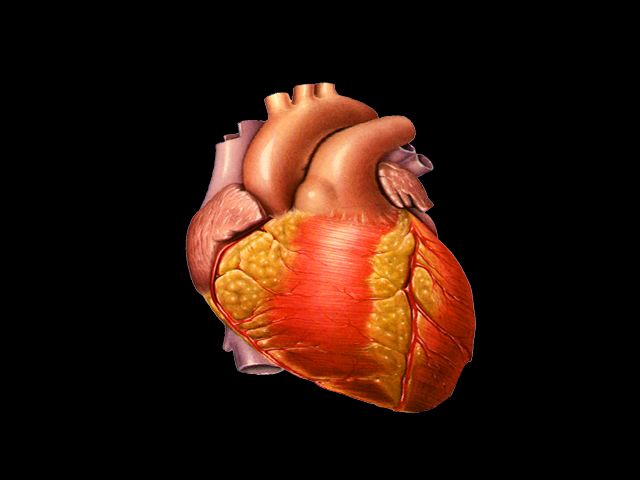 |
|
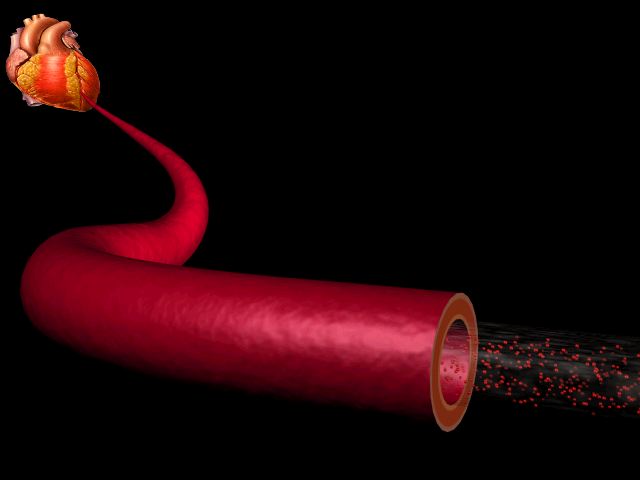
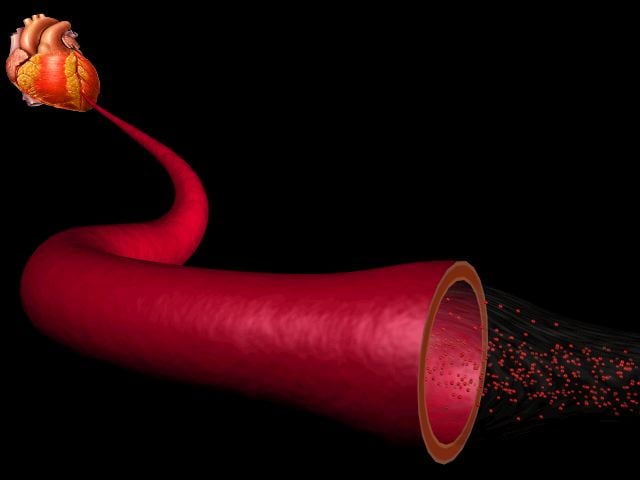
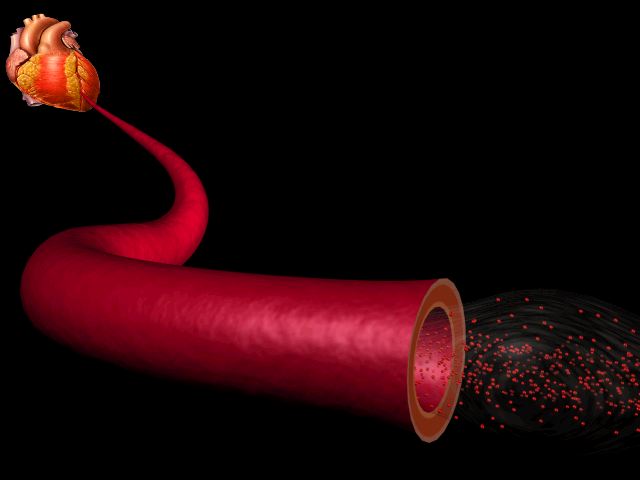
| This is a coronary artery. It is elastic and dilates with the pulse. But it can also regulate its own width in response to signal molecules. | 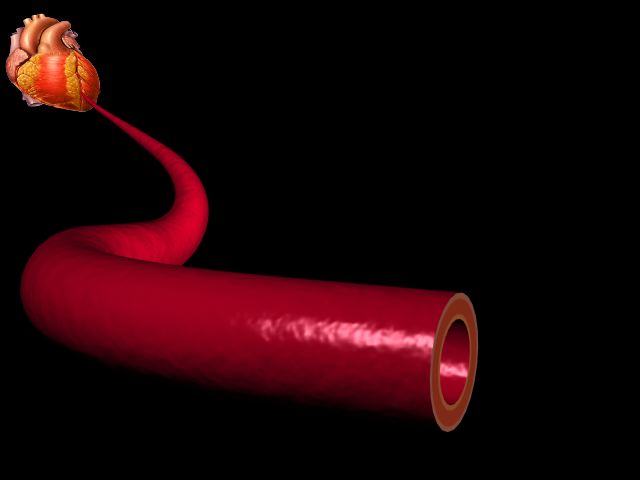 |
 |
 |
 |
|
| Here is a cross-section of the coronary artery. Most of its wall is filled with smooth muscle cells that can contract and relax. | 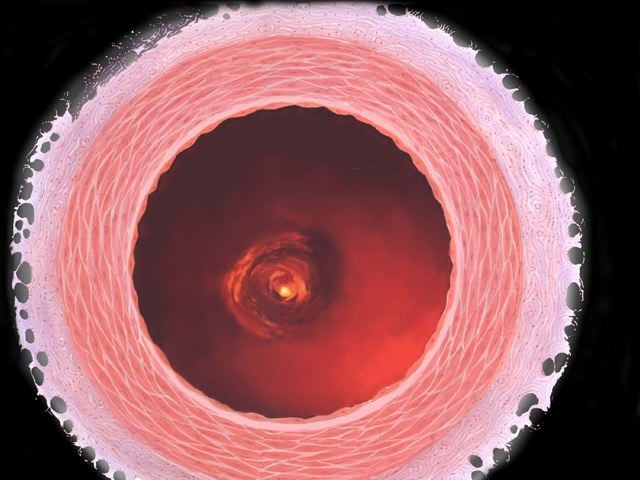 |
|
| The arteries are sites of a very common disease, atherosclerosis. Here, an atherosclerotic plaque has formed in a coronary artery. It consists of cholesterol, inflammatory cells, and fibrosis, and it reduces the space for blood flow in the artery. | 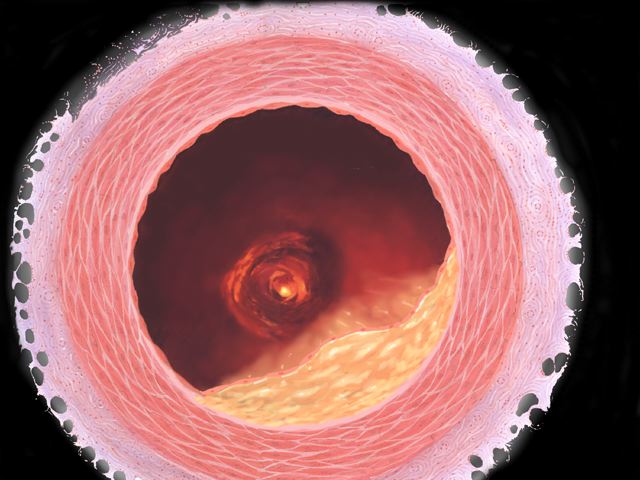 |
|
| A spasm can suddenly develop in an atherosclerotic coronary artery. This reduces blood flow to the heart and causes chest pain. The condition is called angina pectoris. | 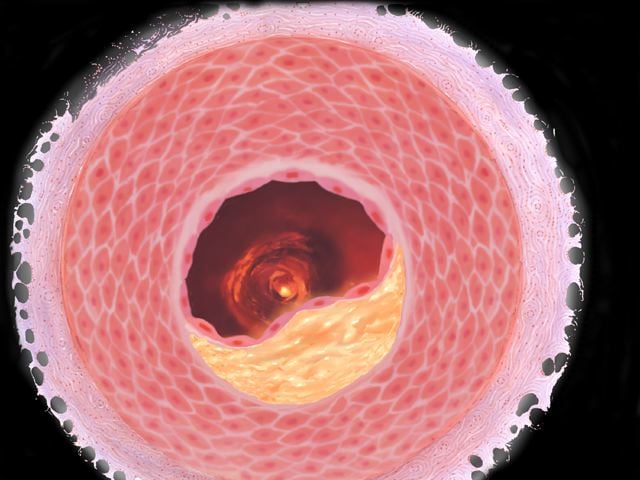 |
|
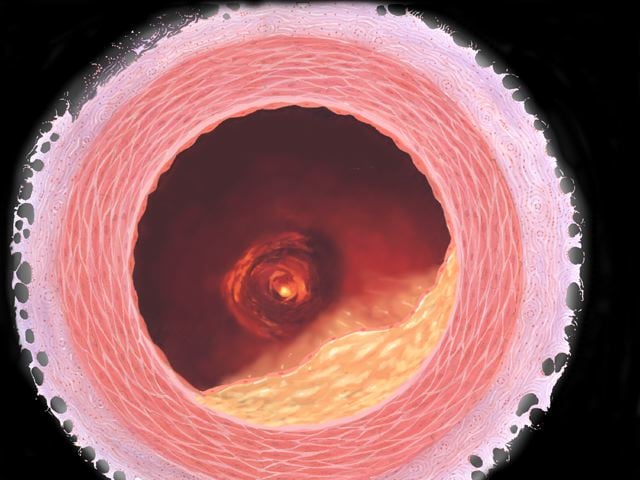
| Nitroglycerin dilates constricted arteries. This improves blood flow and alleviates chest pain. Therefore, nitroglycerin is often used by patients with angina pectoris. | 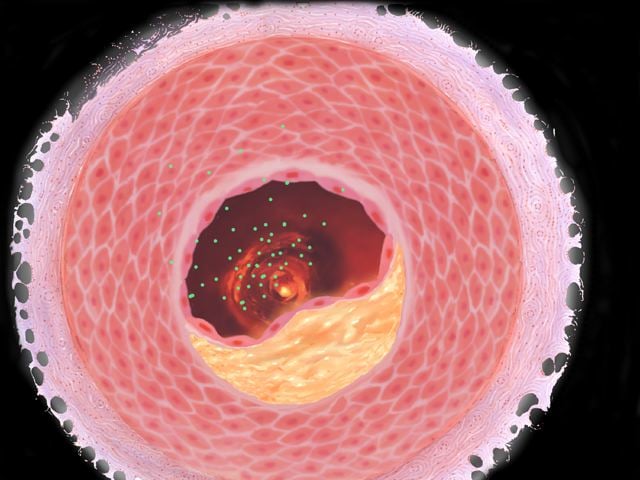 |
 |
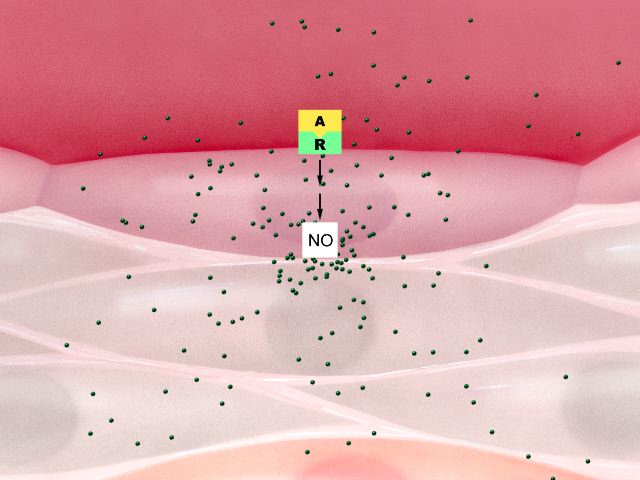
| This year’s Nobel Prize has identified the mechanism of action of nitroglycerin. It delivers a signal that is used by the body to widen arteries. The signal molecule is a gas, nitric oxide (NO). It is produced normally by blood vessels to increase blood flow and control blood pressure. It is also used as a signal molecule in the brain and in the immune system and it plays a role in many parts of the organism. The use of a gas such as NO for signalling between cells in the organism is an entirely new concept that has emerged from the work of Furchgott, Ignarro, and Murad.
The following sequence shows how NO acts on blood vessels. |
||
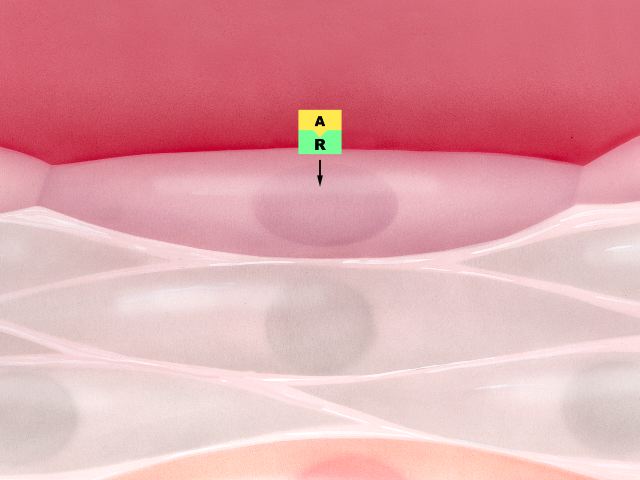
| Signal substances like nerve transmitters and hormones circulate in the blood and act on the endothelium. The signal substance indicated with an A binds to a receptor, R, on the surface of the endothelium. | 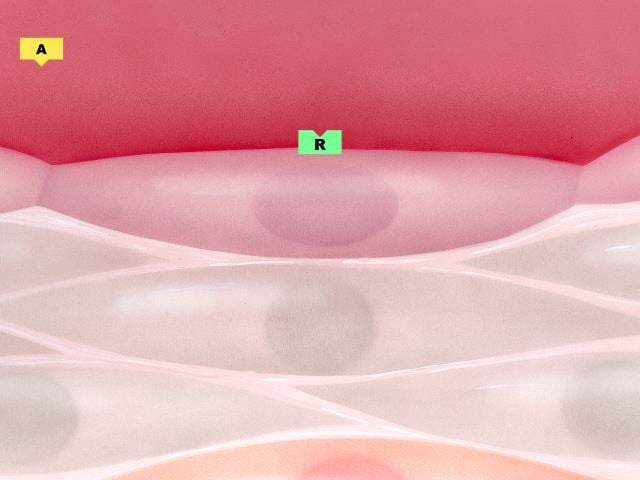 |
 |
| The binding to the receptor activates the endothelium. It responds by making NO. This is a gas that diffuses through the cell membranes and out into the blood and arterial wall. | 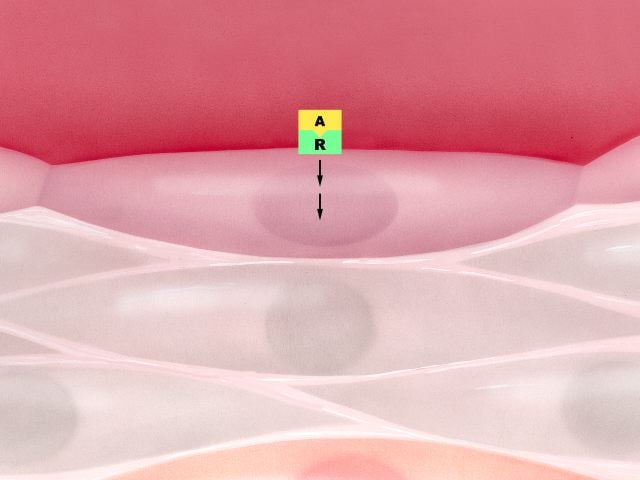 |
 |
| Some NO molecules will travel from the endothelium to the smooth muscle cell. They penetrate into the cell and bind to an enzyme, guanylyl cyclase. This activates the enzyme. | 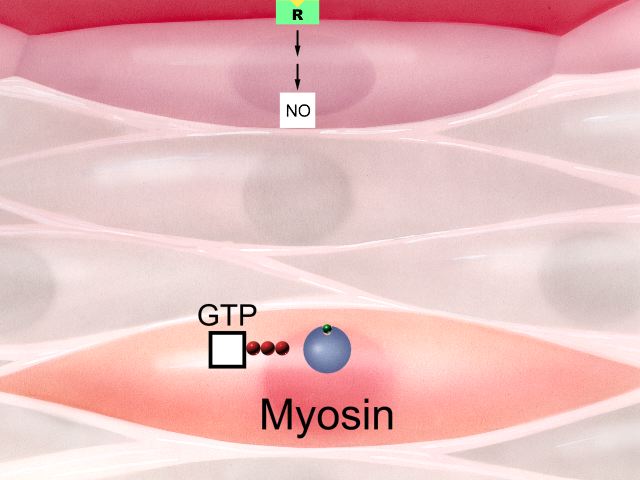 |
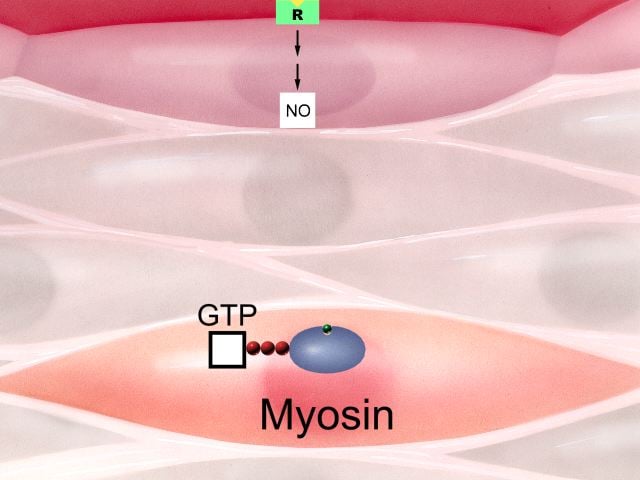 |
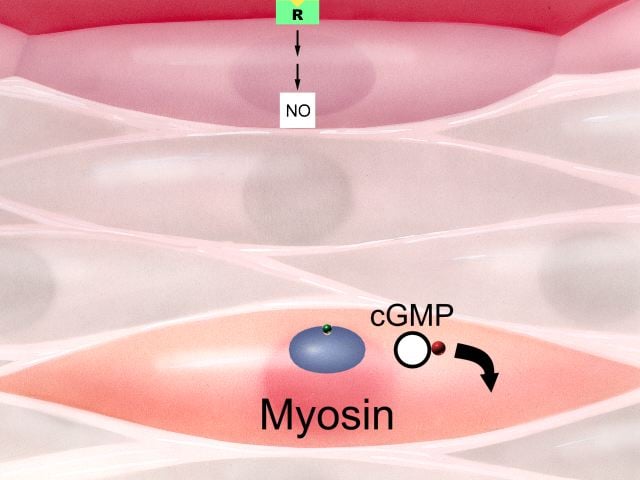
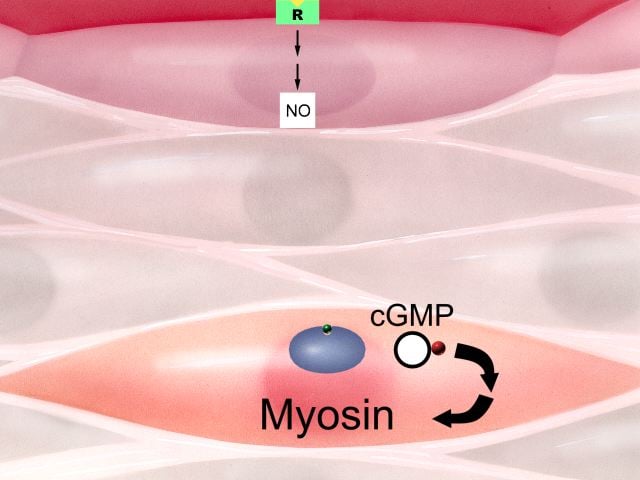
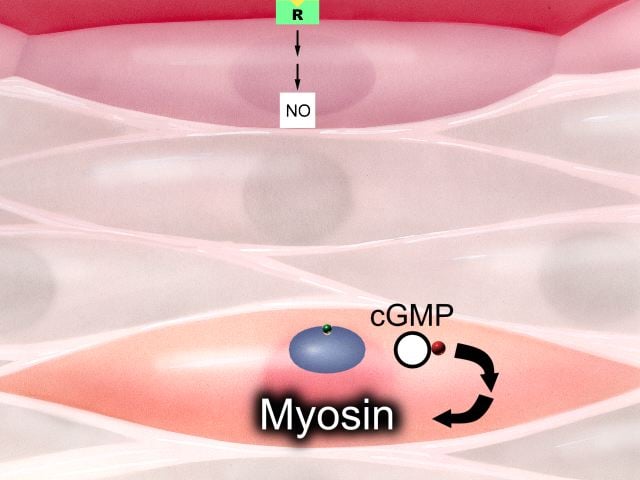
| When guanylyl cyclase is activated, it starts to produce cyclic GMP from GTP. Cyclic GMP starts a cascade reaction that activates myosin, an important component of the contractile apparatus in the muscle cell. |  |
 |
 |
 |
|
| When myosin is activated, the contractile filaments slide apart and the muscle cell relaxes. The blood vessel dilates. | 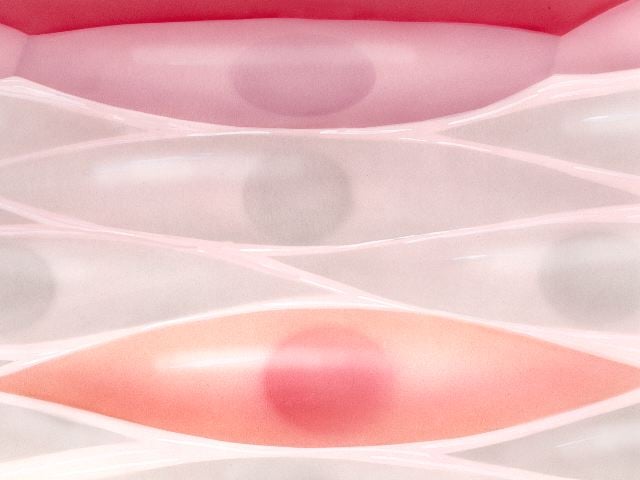 |
 |
Nobel Prizes and laureates
Six prizes were awarded for achievements that have conferred the greatest benefit to humankind. The 14 laureates' work and discoveries range from quantum tunnelling to promoting democratic rights.
See them all presented here.
Explore prizes and laureates
Look for popular awards and laureates in different fields, and discover the history of the Nobel Prize.