John C. Harsanyi
Facts
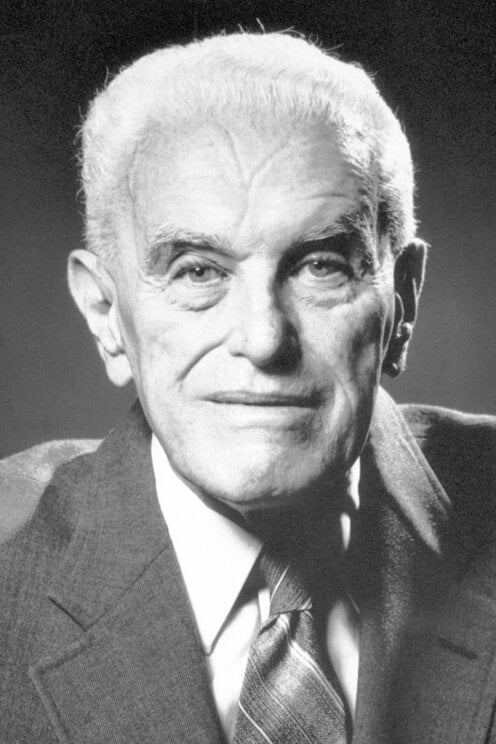
Photo: Jane Scherr/Berkeley. Nobel Foundation archive
John C. Harsanyi
Sveriges Riksbank Prize in Economic Sciences in Memory of Alfred Nobel 1994
Born: 29 May 1920, Budapest, Hungary
Died: 9 August 2000, Berkeley, CA, USA
Affiliation at the time of the award: University of California, Berkeley, CA, USA
Prize motivation: “for their pioneering analysis of equilibria in the theory of non-cooperative games”
Prize share: 1/3
Life
John C. Harsanyi was born in 1920 in Budapest where he also grew up. He studied pharmacology at the university of Budapest before his studies were interrupted in 1944 because of the war. After the war, Harsanyi returned to the university where he met his wife Anne. In 1950 they both fled to Australia because of Harsanyi’s openly anti-Marxist opinions. In Australia he started studying economics. In 1961, he ended up moving permanently to the United States. Harsanyi and his wife had one son.
Work
John C. Harsanyi was awarded the Economic Sciences Prize in for his work in game theory and its application to economics. He showed how games of incomplete information can be analysed thereby providing a theoretical foundation for a lively field of research – the economics of information. He is also known for researching utilitarian ethics and is considered one of the most important exponents of the “rule utilitarianism”.
