CAROLYN BERTOZZI
Nobel Prize in Chemistry 2022
Experiencing ridicule and exclusion as a student in the 1980s did not stop Carolyn Bertozzi from pursuing her passion – in fact, it spurred her to build an inclusive culture in her own lab. Bertozzi’s Nobel Prize-awarded discovery of bioorthogonal reactions are now used globally to explore cells, track biological processes and improve the targeting of cancer medicines.

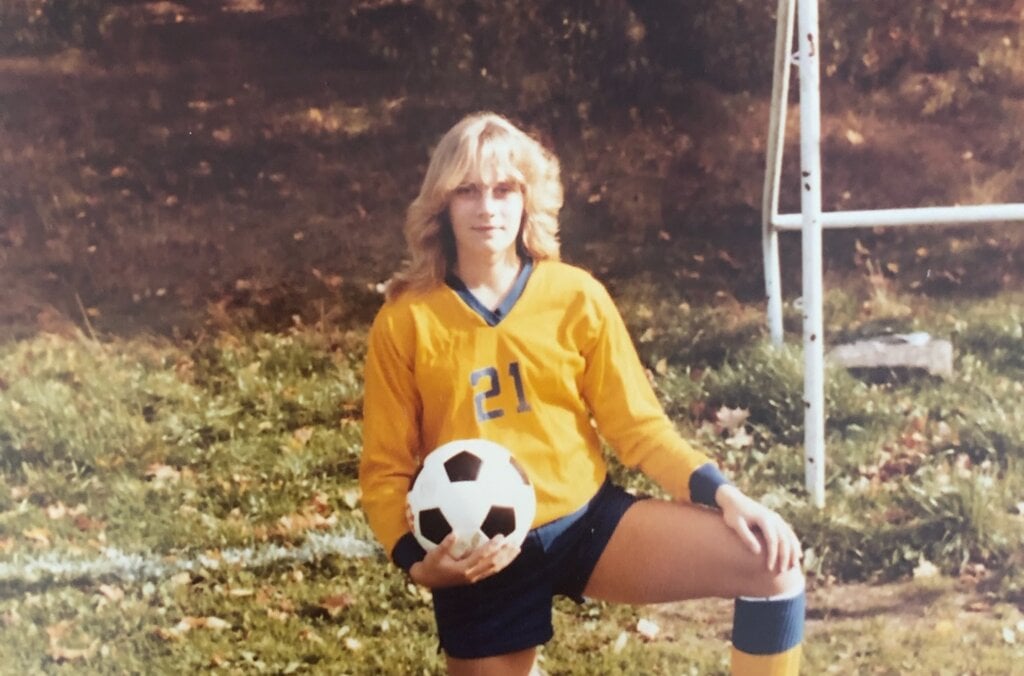
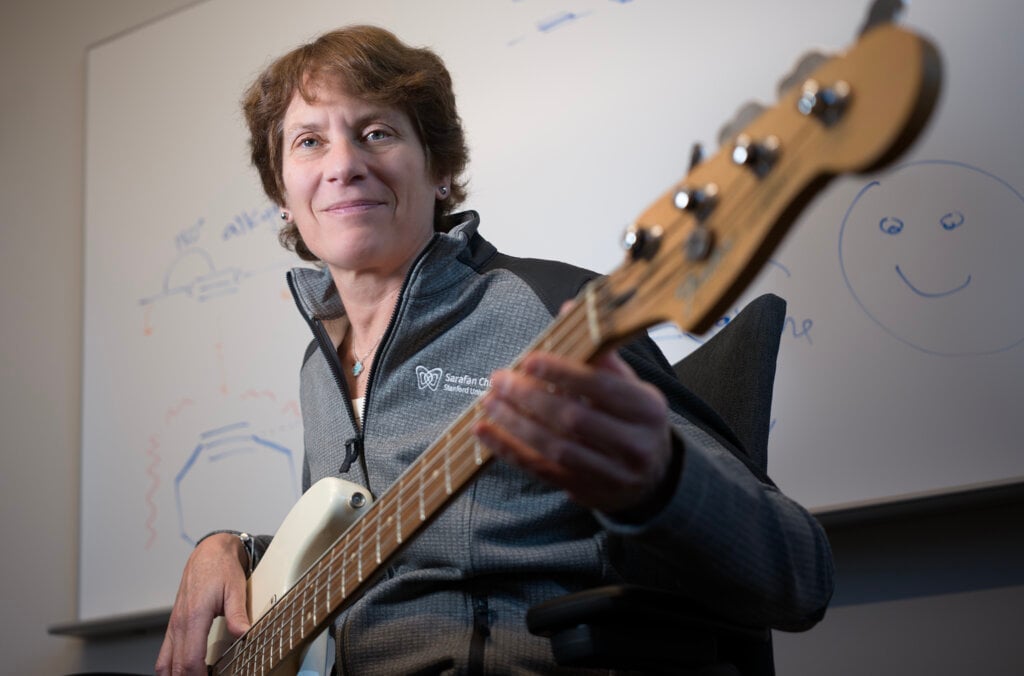
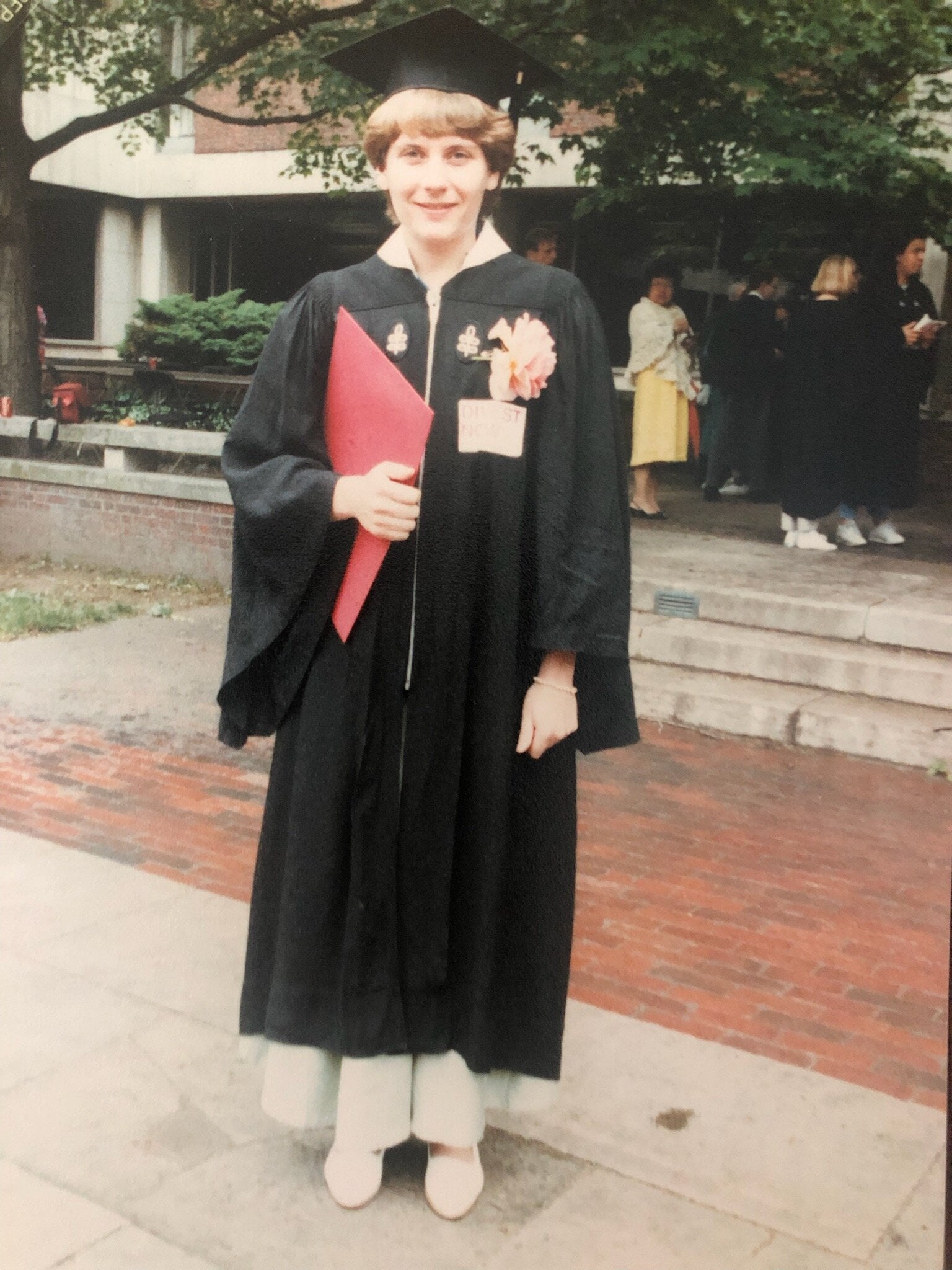
Born in 1966 in Lexington, Massachusetts, Carolyn Bertozzi was part of a family where science was encouraged. Her father William, a professor at Massachusetts Institute of Technology (MIT), hoped his daughter would attend the same university, but she had other plans.
Bertozzi enrolled at Harvard in 1984 as a pre-med student. She played soccer for the university’s team, and keyboard in a successful band with Tom Morello – famous for playing lead guitar for the rock bands Rage Against the Machine and Audioslave.
“I didn’t give much thought to chemistry until I took a course in organic chemistry,” Bertozzi said. She had hoped that the mandatory sophomore class would be her last. Instead it inspired her to change major, and sparked a lifelong passion.
“Chemistry changed my life, and I just fell in love with the subject.”
Carolyn Bertozzi
However, it was not without its challenges. There were not many role models to inspire Bertozzi, with few celebrated successful female scientists and even fewer openly gay people working in science at a time when being ‘out and proud’ was an act of profound courage. Bertozzi experienced hostility as an undergrad working in a field that she said had a “macho reputation” in the 1980s. She also struggled to find a lab to work to apply her conceptual knowledge. “This is when I first realised that women were unofficially blocked from entering certain areas of science, or at least the impediments made it very difficult,” she said. However, she persevered and eventually applied to doctoral chemistry programmes where she would be able to continue enjoying the freedom, flexibility and challenges of lab culture, including late night experimental marathons.
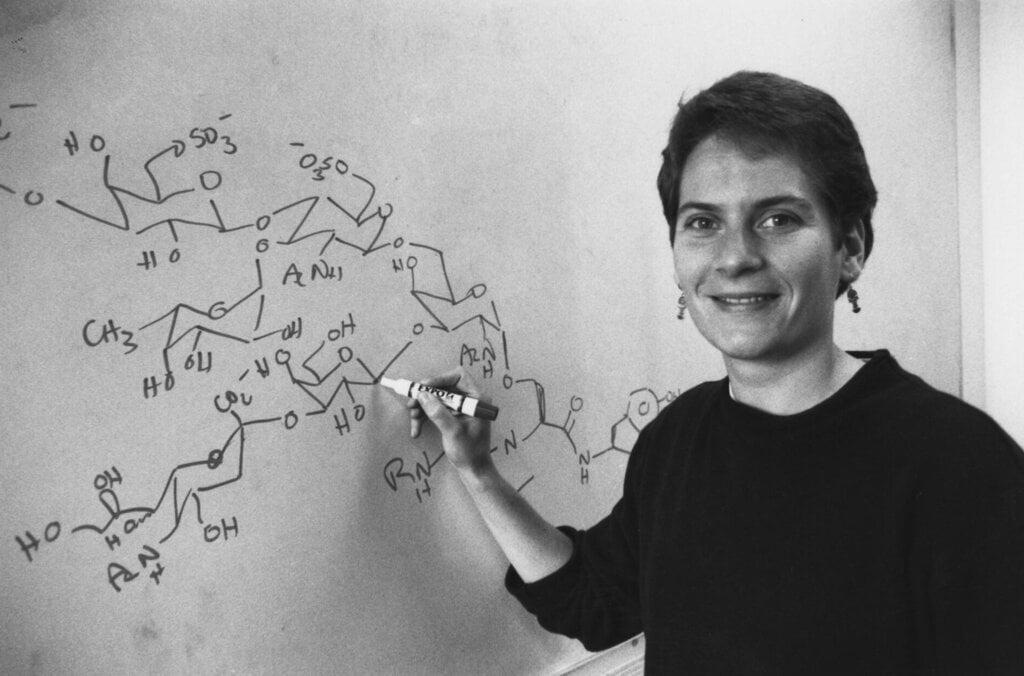
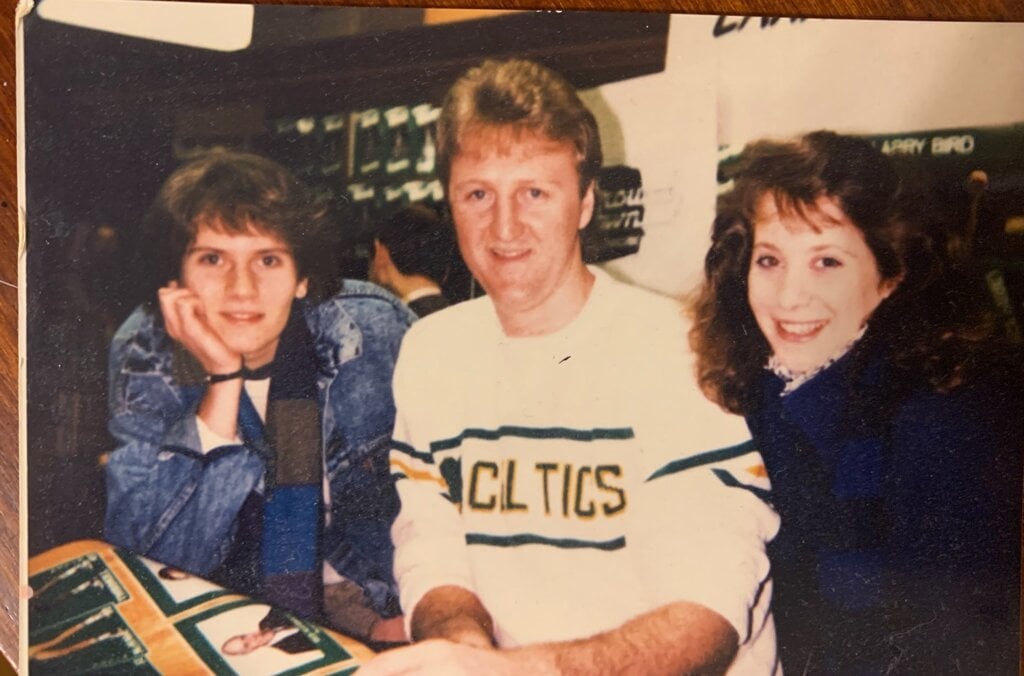
“The ridicule, exclusion, and sometimes outright hostility that I experienced as an undergrad and grad student in the 1980s has dissipated and is now far more dilute and generally considered unacceptable in the workplace.”
Carolyn Bertozzi
Stepping off a plane for only the second time in her life to visit the University of California, Berkeley, it wasn’t only the warm climate that was different, but the atmosphere. Berkeley welcomed women and was a hotspot for the emerging field of biochemistry with a culture of inclusion. Bertozzi immediately knew it was the right university for her. She joined the lab of a young, enthusiastic assistant professor called Mark Bednarski, who introduced her to the study of glycans – the ‘sugar coating’ on cells – and their critical roles in biological processes. Understanding the role of glycans could unlock secrets of the immune system and diseases.
Unfortunately, Bednarski was unexpectedly diagnosed with cancer. Bertozzi was left to complete her PhD without an advisor and struggled to get papers published. However, the crisis also turned out to be valuable experience for Bertozzi, who learned to run her own research project and manage a lab.
“Because I was on my own, left to my own devices, it gave me the latitude to figure out what do I really want to do next in the absence of having too many people whispering in my ear.”
Carolyn Bertozzi
After graduating, Bertozzi continued to be captivated by glycans. In the early 90s, scientists were harnessing new tools in molecular biology to map genes and proteins. Bertozzi hoped to discover a way to track the movement of the sugars in glycans without interfering with the natural chemistry occurring in an organism’s body.
She found a way of chemically attaching molecular imaging probes to glycans so that they could be seen under a microscope, and mapped. At that time, the field of click chemistry – enabling molecular building blocks to snap together quickly and efficiently to optimise chemical reactions – was exploding.
Bertozzi took click chemistry to a new level when she managed to develop it into living organisms – something that until then had been seen as impossible. She dubbed the technique for conducting chemical reactions inside living systems without disrupting normal cellular processes bioorthogonal chemistry and was thrust into the scientific spotlight. Her work was compared to a GPS for tracking carbohydrates through organisms.
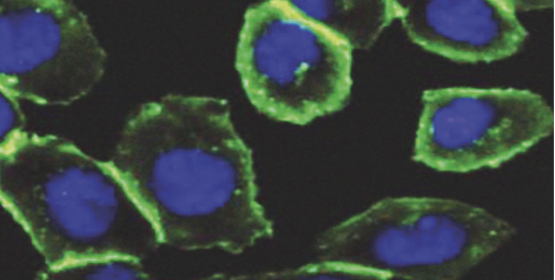
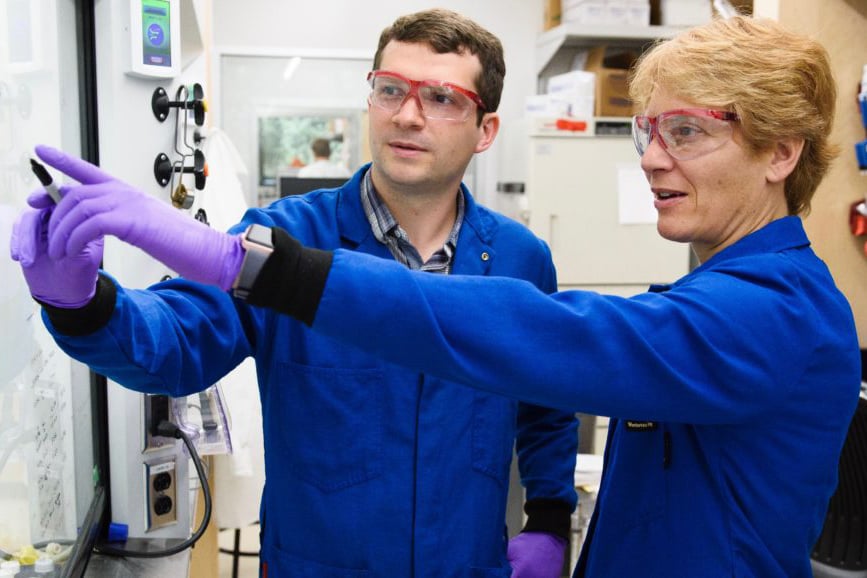
Bertozzi moved to Stanford University to unleash her entrepreneurial spirit and translate her biological tools into the clinic. She has has since started multiple companies to apply her lifetime’s work. Bioorthogonal reactions are now used globally to explore cells and track biological processes, but the biggest impact is being felt in medicine, where bioorthogonal chemistry is being used to build new kinds of medicines. Bertozzi is developing methods that could be used to treat cancer and autoimmune diseases, which she had long dreamed of.
“Your purpose as a scientist is not to achieve fame or money. […] The main goal is to make discoveries and gift them to humanity. And those discoveries and that knowledge stays with humanity long after you are gone.”
Carolyn Bertozzi
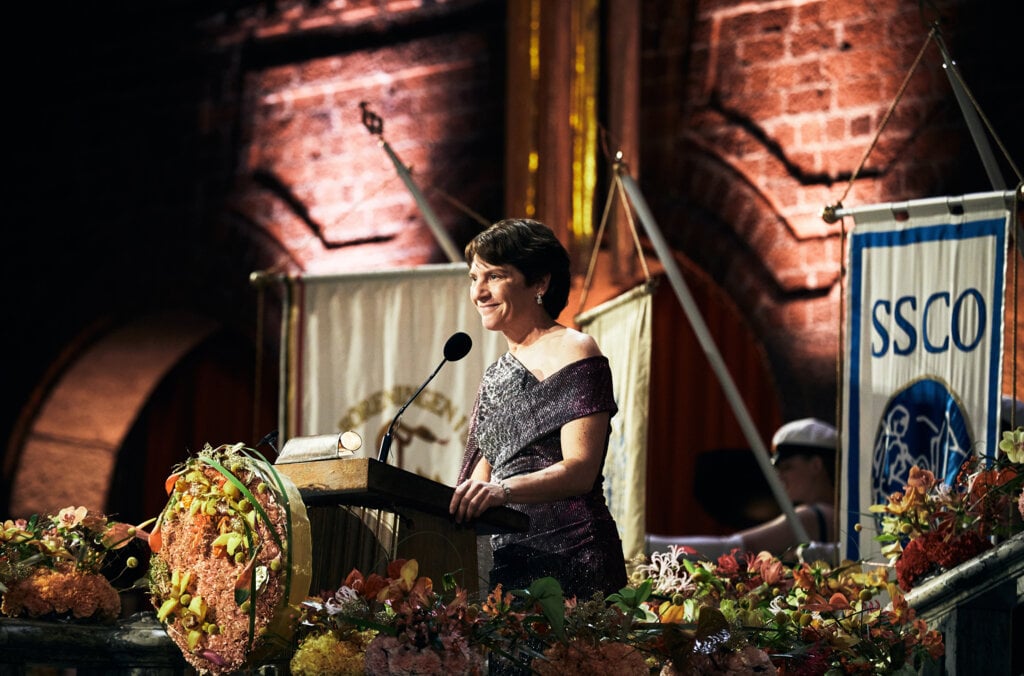
In 2022, she shared the Nobel Prize in Chemistry with Morten Meldal and K. Barry Sharpless.
Her accomplishments are not only the product of hard work and courage in the face of being excluded in labs as a student, but a desire to cultivate a welcoming place for minoritised people to do their most creative and productive science, make friends and collaborate. Bertozzi described creating such a lab environment as a hidden superpower.
“People have asked me many times over the years, ‘what was the recipe for success for you in your lab?’ It was very simple. It was diversity.”
Women who changed science
Nobel Prizes and laureates
Six prizes were awarded for achievements that have conferred the greatest benefit to humankind. The 14 laureates' work and discoveries range from quantum tunnelling to promoting democratic rights.
See them all presented here.