Svante Arrhenius
Facts
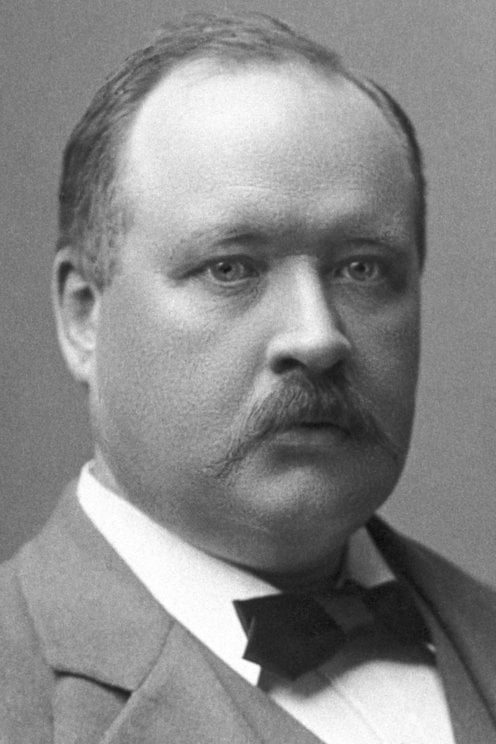
Photo from the Nobel Foundation archive.
Svante August Arrhenius
Nobel Prize in Chemistry 1903
Born: 19 February 1859, Vik, Sweden
Died: 2 October 1927, Stockholm, Sweden
Affiliation at the time of the award: Stockholm University, Stockholm, Sweden
Prize motivation: “in recognition of the extraordinary services he has rendered to the advancement of chemistry by his electrolytic theory of dissociation”
Prize share: 1/1
Life
Svante Arrhenius grew up in Uppsala, where he also received his education. After his doctoral thesis was criticized at Uppsala University, he left for Germany with the assistance from Wilhelm Ostwald, where he established his international reputation as a scientist. He returned to Sweden in 1905 and became director of the Nobel Institute of Physical Chemistry. Arrhenius helped negotiate the Nobel Foundation’s statutes and played a major role in early decisions about selecting physics and chemistry laureates.
Work
A connection between chemical and electrical phenomena became apparent in the 19th century, but it was unclear just what this relationship was. Svante Arrhenius studied how electrical current is conducted in chemical solutions. In 1883 he proposed a theory that when rock salt (which consists of sodium and chlorine) is dissolved in water, it splits into sodium atoms with positive electrical charges and chlorine atoms with negative charges. These electrically charged atoms, ions, allow the solution to conduct electricity.
Nobel Prizes and laureates
Six prizes were awarded for achievements that have conferred the greatest benefit to humankind. The 14 laureates' work and discoveries range from quantum tunnelling to promoting democratic rights.
See them all presented here.