Friedrich Bergius
Facts
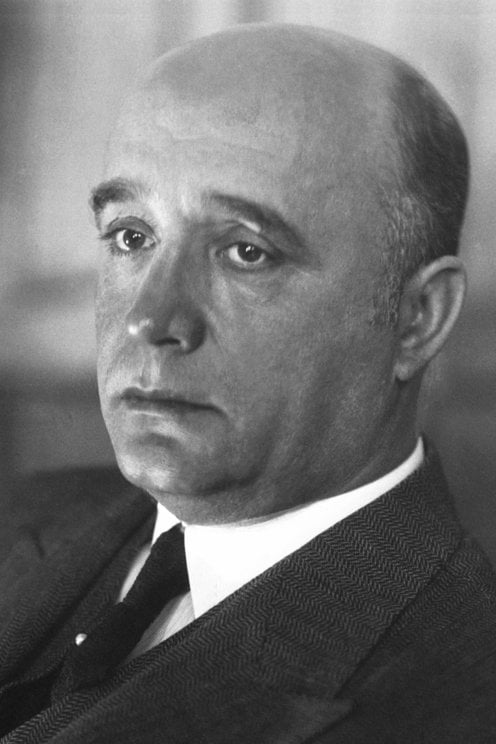
Photo from the Nobel Foundation archive.
Friedrich Bergius
Nobel Prize in Chemistry 1931
Born: 11 October 1884, Goldschmieden, near Breslau, Germany (now Poland)
Died: 30 March 1949, Buenos Aires, Argentina
Affiliation at the time of the award: University of Heidelberg, Heidelberg, Germany; I.G. Farbenindustrie A.G., Mannheim-Rheinau, Germany
Prize motivation: “in recognition of their contributions to the invention and development of chemical high pressure methods”
Prize share: 1/2
Work
Fossil fuels—coal, oil and gas—contain energy that can be converted into other forms through combustion. Coal in solid form is largely made up of the element carbon in pure form, while oil is rich in compounds of carbon and hydrogen—hydrocarbons. In 1913 Friedrich Bergius developed a method for transforming a solid form of coal—lignite—into liquefied oil. The method entails exposing the coal to hydrogen gas under high pressure to form hydrocarbons. The process has been used primarily to produce fuel for vehicles.
Nobel Prizes and laureates
Six prizes were awarded for achievements that have conferred the greatest benefit to humankind. The 14 laureates' work and discoveries range from quantum tunnelling to promoting democratic rights.
See them all presented here.

