James B. Sumner
Facts
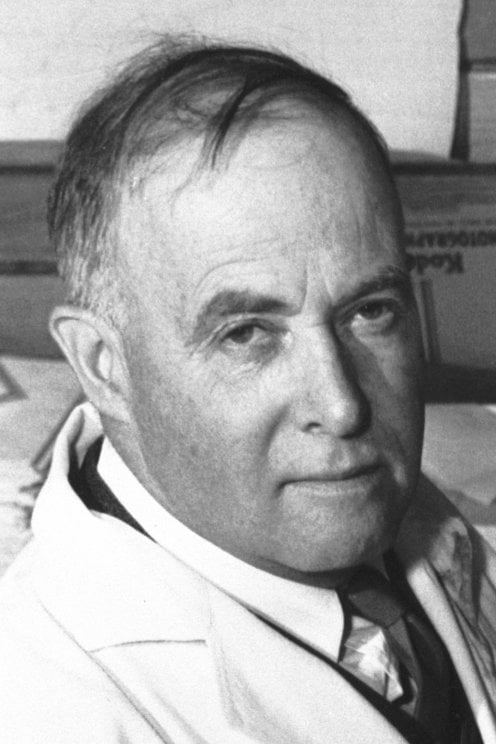
Photo from the Nobel Foundation archive.
James Batcheller Sumner
Nobel Prize in Chemistry 1946
Born: 19 November 1887, Canton, MA, USA
Died: 12 August 1955, Buffalo, NY, USA
Affiliation at the time of the award: Cornell University, Ithaca, NY, USA
Prize motivation: “for his discovery that enzymes can be crystallized”
Prize share: 1/2
Work
At the end of the 19th century, it became clear that biochemical processes do not necessarily require living cells, but are driven by special substances, enzymes, formed in cells. However, it remained to be seen how pure forms of these enzymes could be isolated. James Sumner studied the enzyme urease, which breaks down urea into ammonia and carbon dioxide. In 1926 he succeeded in isolating crystals with high activity from a kind of bean. Continued research indicated that the crystals were composed of a pure form of urease and that urease is a protein.
Nobel Prizes and laureates
Six prizes were awarded for achievements that have conferred the greatest benefit to humankind. The 14 laureates' work and discoveries range from quantum tunnelling to promoting democratic rights.
See them all presented here.