Walter Gilbert
Facts
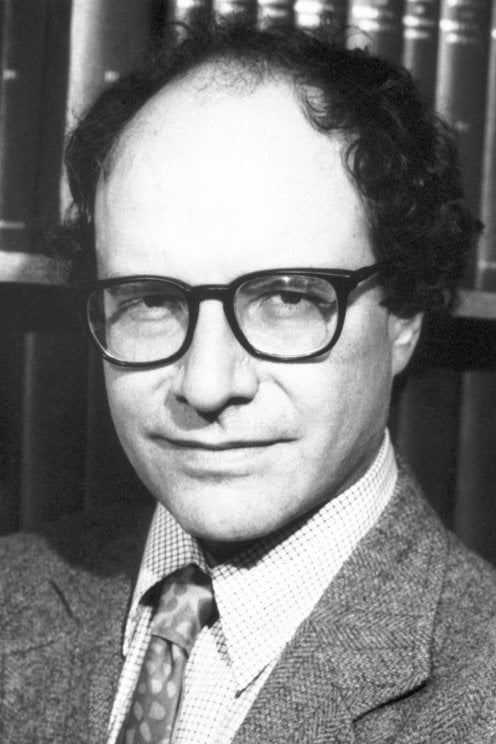
Photo: Harvard University News Office. Nobel Foundation archive
Walter Gilbert
Nobel Prize in Chemistry 1980
Born: 21 March 1932, Boston, MA, USA
Affiliation at the time of the award: Harvard University, Biological Laboratories, Cambridge, MA, USA
Prize motivation: “for their contributions concerning the determination of base sequences in nucleic acids”
Prize share: 1/4
Work
An organism's genome is stored in the form of long rows of building blocks, known as nucleotides, which form DNA molecules. An organism's genome can be mapped by establishing the order of the nucleotides within the DNA molecule. In 1976, Allan Maxam and Walter Gilbert developed a method by which the ends of the DNA molecule could be marked using radioactive substances. After undergoing treatment with small amounts of chemicals that react with specific nucleotides, DNA fragments of varying lengths can be obtained. After undergoing what is known as electrophoresis, the nucleotide sequences in a DNA sample can be identified.
Nobel Prizes and laureates
Six prizes were awarded for achievements that have conferred the greatest benefit to humankind. The 14 laureates' work and discoveries range from quantum tunnelling to promoting democratic rights.
See them all presented here.

