Albrecht Kossel
Facts
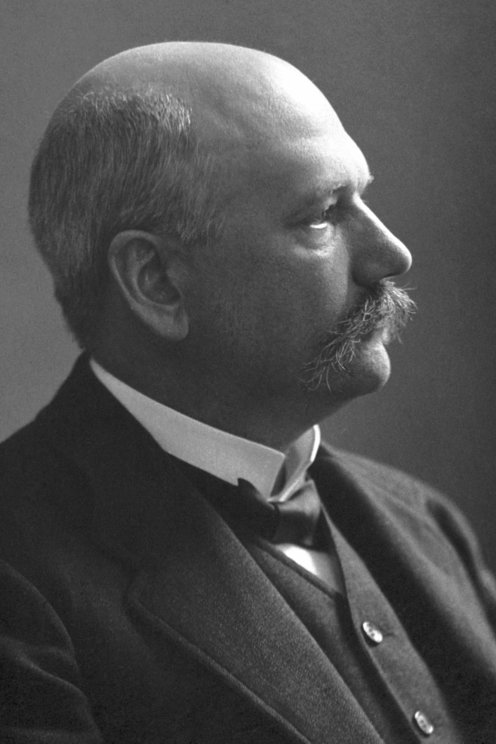
Photo: Bain News Service. Nobel Foundation archive
Albrecht Kossel
Nobel Prize in Physiology or Medicine 1910
Born: 16 September 1853, Rostock, Mecklenburg (now Germany)
Died: 5 July 1927, Heidelberg, Germany
Affiliation at the time of the award: University of Heidelberg, Heidelberg, Germany
Prize motivation: “in recognition of the contributions to our knowledge of cell chemistry made through his work on proteins, including the nucleic substances”
Prize share: 1/1
Work
The fundamental processes of life take place in the cells of organisms. A variety of chemical substances are involved in an equally rich set of processes. From the 1880s, Albrecht Kossel studied the biologically important substances proteins, DNA and RNA and their components. Among other things, he investigated protamines and histones, proteins that together with DNA form complexes that build up the chromosomes in the cell nucleus. This knowledge later became important for the development of genetics.
Nobel Prizes and laureates
Six prizes were awarded for achievements that have conferred the greatest benefit to humankind. The 14 laureates' work and discoveries range from quantum tunnelling to promoting democratic rights.
See them all presented here.