Susumu Tonegawa
Facts
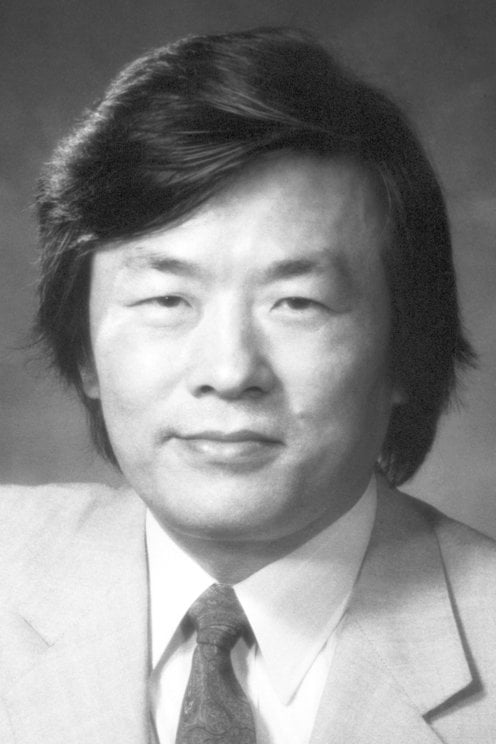
Photo from the Nobel Foundation archive.
Susumu Tonegawa
Nobel Prize in Physiology or Medicine 1987
Born: 5 September 1939, Nagoya, Japan
Affiliation at the time of the award: Massachusetts Institute of Technology (MIT), Cambridge, MA, USA
Prize motivation: “for his discovery of the genetic principle for generation of antibody diversity”
Prize share: 1/1
Work
The immune system includes antibodies that neutralize substances foreign to the body and microorganisms. Antibodies are formed in a type of white blood cell, B lymphocytes. Antibodies are proteins, and their production is governed by genes. There are hundreds of millions of different antibodies, which vastly outnumber the combined total of human genes. In 1976 Susumu Tonegawa showed how this is possible through the redistribution of genes in a cell during its development into an antibody-producing B lymphocyte.
Nobel Prizes and laureates
Six prizes were awarded for achievements that have conferred the greatest benefit to humankind. The 14 laureates' work and discoveries range from quantum tunnelling to promoting democratic rights.
See them all presented here.