Alfred D. Hershey
Facts
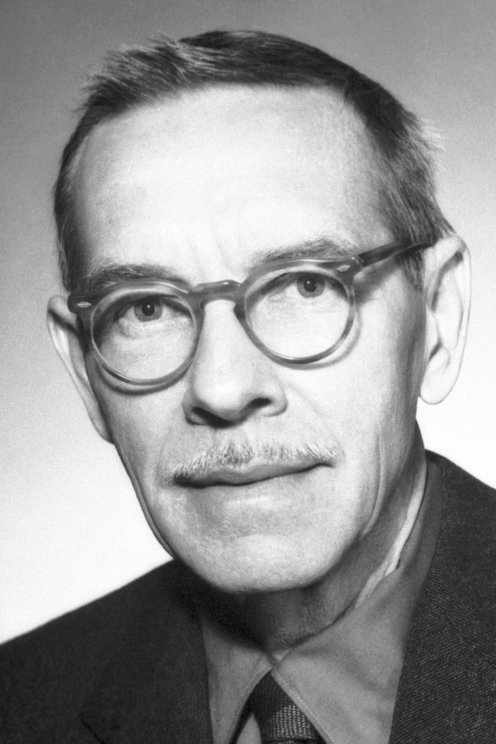
Photo: da Silva. Nobel Foundation archive
Alfred D. Hershey
Nobel Prize in Physiology or Medicine 1969
Born: 4 December 1908, Owosso, MI, USA
Died: 22 May 1997, Syosset, NY, USA
Affiliation at the time of the award: Carnegie Institution of Washington, Long Island, New York, NY, USA
Prize motivation: “for their discoveries concerning the replication mechanism and the genetic structure of viruses”
Prize share: 1/3
Work
Bacteriophages are viruses that attach themselves to bacteria, emptying their genetic material into them, which leads to the rapid spawning of new phage inside the bacteria. By applying genetic concept and developing statistical approaches in their studies of bacteriophages, Max Delbrück, Salvador Luria, and Alfred Hershey were able to shed new light on a range of unanswered questions within genetics. For example, in 1952 Hershey and Martha Chase were able to demonstrate that DNA was transferred from bacteriophages to bacteria, a discovery that confirmed DNA as the bearer of genetic information.
Nobel Prizes and laureates
Six prizes were awarded for achievements that have conferred the greatest benefit to humankind. The 14 laureates' work and discoveries range from quantum tunnelling to promoting democratic rights.
See them all presented here.