John Hume
Facts
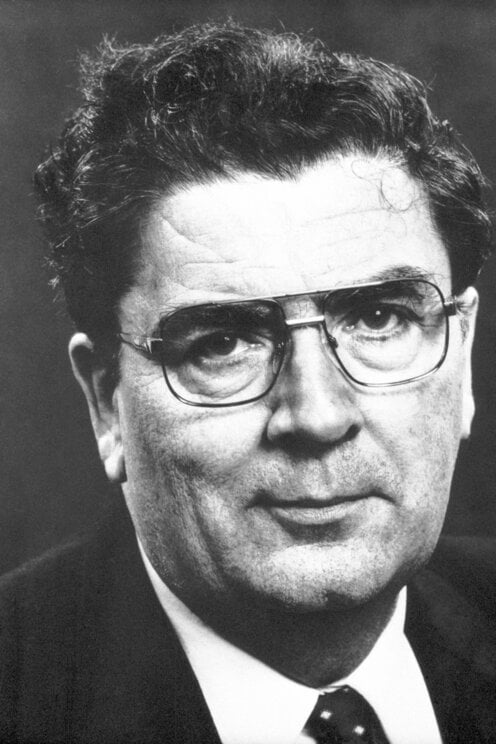
Photo: Bobbie Hanvey. Nobel Foundation archive
John Hume
Nobel Peace Prize 1998
Born: 18 January 1937, Londonderry, Northern Ireland
Died: 3 August 2020, Londonderry, Northern Ireland
Residence at the time of the award: United Kingdom
Role: MP, Leader of the Social Democratic and Labour Party
Prize motivation: “for their efforts to find a peaceful solution to the conflict in Northern Ireland”
Prize share: 1/2
Civil Rights Campaigner and European
In the Easter of 1998, Northern Ireland's largest political parties signed a peace agreement which became known as the Good Friday agreement. In the autumn of 1998, the Nobel Committee decided to award the Peace Prize to two persons who were at the heart of the peace process in the civil-war-torn province.
One of the two was the Catholic leader of the moderate Social Democratic and Labour Party, John Hume, regarded by many as the principal architect behind the peace agreement. After having joined the Northern Irish civil rights movement in the late 1960s, he became convinced that nationalism was a declining force in the new Europe. In his view, Northern Ireland needed extended self-government with powers reasonably divided between the population groups: better relations would have to be established between Northern Ireland and the Republic of Ireland and between London and Dublin. Hume devoted a great deal of energy to drawing the leader of the IRA, Gerry Adams, and the British Government, into the negotiations.
Nobel Prizes and laureates
Six prizes were awarded for achievements that have conferred the greatest benefit to humankind. The 14 laureates' work and discoveries range from quantum tunnelling to promoting democratic rights.
See them all presented here.