Richard Willstätter
Facts
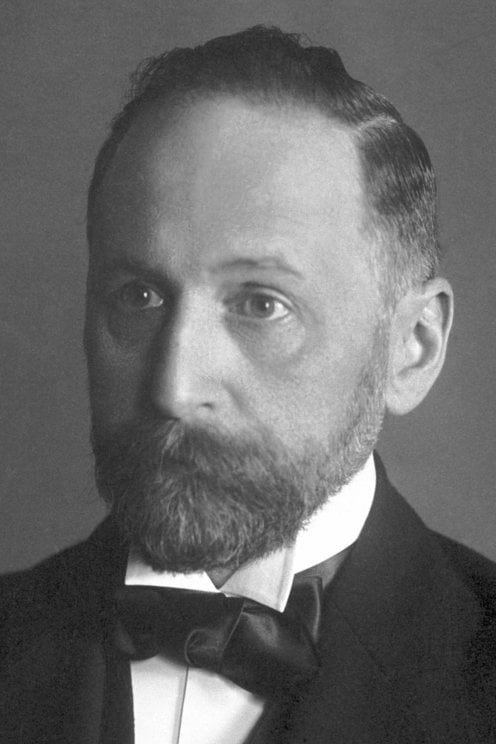
Photo: Camille Ruf. Nobel Foundation archive
Richard Martin Willstätter
Nobel Prize in Chemistry 1915
Born: 13 August 1872, Karlsruhe, Germany
Died: 3 August 1942, Locarno, Switzerland
Affiliation at the time of the award: Kaiser-Wilhelm-Institut (now Max-Planck Institut) für Chemie, Berlin-Dahlem, Germany; Friedrich-Wilhelms-Universität, Berlin, Germany
Prize motivation: “for his researches on plant pigments, especially chlorophyll”
Prize share: 1/1
Work
The leaves of green plants derive their color from chlorophyll, which plays a key role in enabling plants to transform water and carbon dioxide into carbohydrates and oxygen with the help of sunlight. From 1906 to 1914 Richard Willstätter researched the chemical composition of chlorophyll. He discovered that the chlorophyll of different plant species is the same, but it is a mixture of two different types, which he produced in pure form. He showed that magnesium is an essential part of chlorophyll’s structure and pointed out chlorophyll’s relationship with the hemoglobin in red blood cells.
Nobel Prizes and laureates
Six prizes were awarded for achievements that have conferred the greatest benefit to humankind. The 14 laureates' work and discoveries range from quantum tunnelling to promoting democratic rights.
See them all presented here.