Carl Bosch
Facts
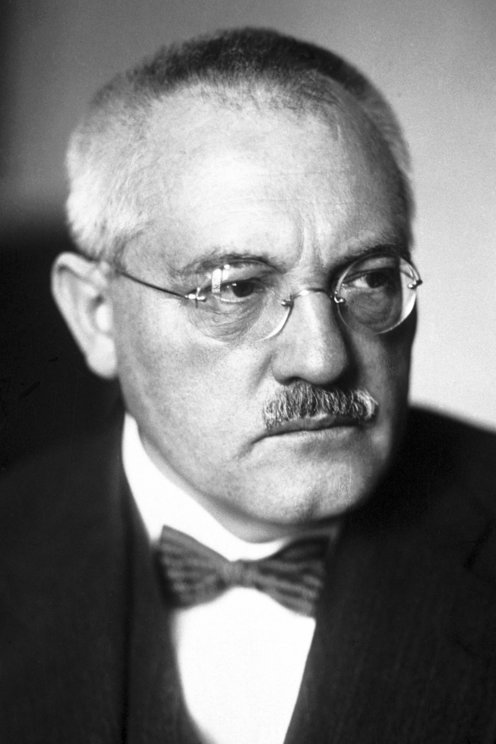
Photo from the Nobel Foundation archive.
Carl Bosch
Nobel Prize in Chemistry 1931
Born: 27 August 1874, Cologne, Germany
Died: 26 April 1940, Heidelberg, Germany
Affiliation at the time of the award: University of Heidelberg, Heidelberg, Germany; I.G. Farbenindustrie A.G., Heidelberg, Germany
Prize motivation: “in recognition of their contributions to the invention and development of chemical high pressure methods”
Prize share: 1/2
Work
After Fritz Haber developed a method for producing ammonia from nitrogen and hydrogen, which could then be used to manufacture artificial fertilizer, what remained was to develop it into an industrial process. Nitrogen and hydrogen gases require high pressure to react. Around 1913 Carl Bosch developed an apparatus that employed different types of steel with varying resistances to pressure and heat to create an efficient process. The result was also used in other chemical industry processes.
Nobel Prizes and laureates
Six prizes were awarded for achievements that have conferred the greatest benefit to humankind. The 14 laureates' work and discoveries range from quantum tunnelling to promoting democratic rights.
See them all presented here.