Frédéric Joliot
Facts
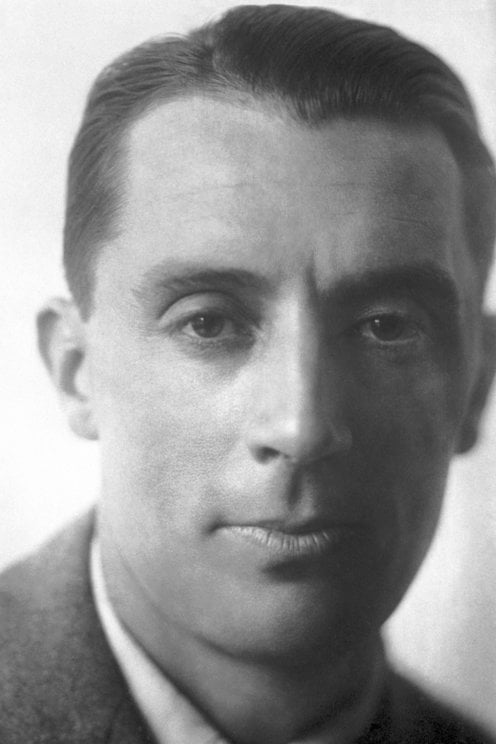
Photo: Jaques Boyer. Nobel Foundation archive
Frédéric Joliot
Nobel Prize in Chemistry 1935
Born: 19 March 1900, Paris, France
Died: 14 August 1958, Paris, France
Affiliation at the time of the award: Institut du Radium, Paris, France
Prize motivation: “in recognition of their synthesis of new radioactive elements”
Prize share: 1/2
Work
Radiation from radioactive substances also became an important tool in investigating atoms. When Frédéric Joliot and Irene Joliot-Curie bombarded a thin piece of aluminum with alpha particles (helium atom nuclei) in 1934, a new kind of radiation was discovered that left traces inside an apparatus known as a cloud chamber. The pair discovered that the radiation from the aluminum continued even after the source of radiation was removed. This was because aluminum atoms had been converted into a radioactive isotope of phosphorus. That meant that, for the first time in history, a radioactive element had been created artificially.
Nobel Prizes and laureates
Six prizes were awarded for achievements that have conferred the greatest benefit to humankind. The 14 laureates' work and discoveries range from quantum tunnelling to promoting democratic rights.
See them all presented here.