Henry Taube
Facts
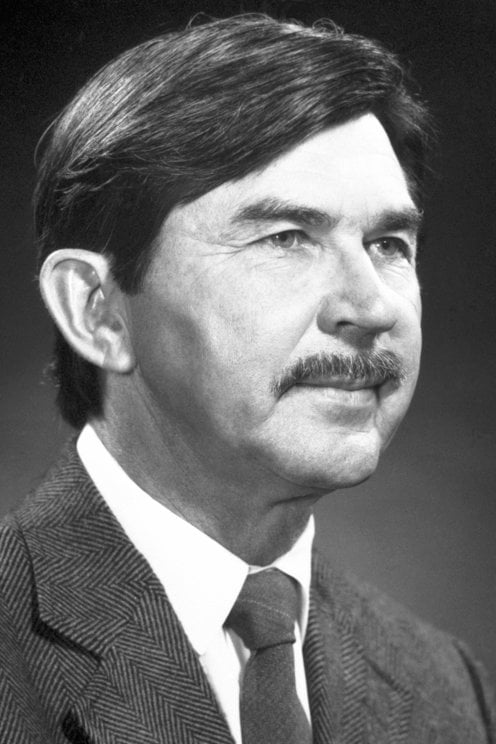
Photo from the Nobel Foundation archive.
Henry Taube
Nobel Prize in Chemistry 1983
Born: 30 November 1915, Neudorf, Canada
Died: 16 November 2005, Stanford, CA, USA
Affiliation at the time of the award: Stanford University, Stanford, CA, USA
Prize motivation: “for his work on the mechanisms of electron transfer reactions, especially in metal complexes”
Prize share: 1/1
Work
Most atoms can absorb or emit electrons and become electrically charged ions. Several metals can form ions with different charges. For example, chromium and cobalt can emit two or three electrons. In a water solution metallic ions can link up with other ions and molecules and form complexes. In these complexes, electrons can change from a metallic atom of one type to another. Around 1950 Henry Taube showed that this does not happen through a direct transition; instead a molecule serves as a bridge between the metallic atoms.
Nobel Prizes and laureates
Six prizes were awarded for achievements that have conferred the greatest benefit to humankind. The 14 laureates' work and discoveries range from quantum tunnelling to promoting democratic rights.
See them all presented here.

