Carl Spitteler
Facts
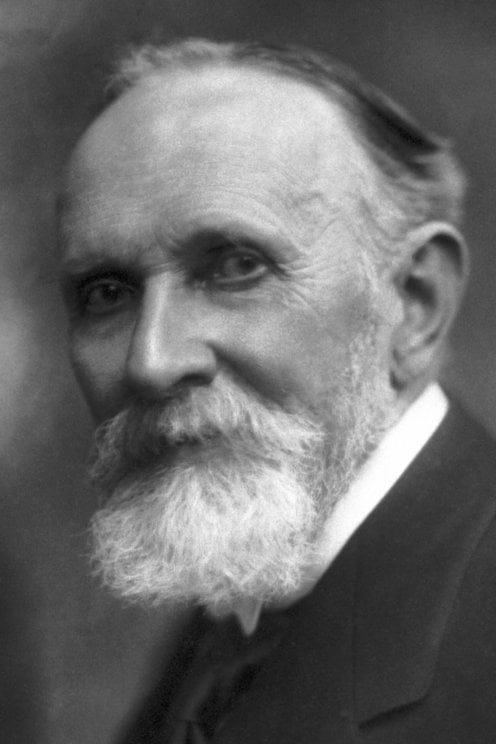
Photo from the Nobel Foundation archive.
Carl Friedrich Georg Spitteler
Nobel Prize in Literature 1919
Born: 24 April 1845, Liestal, Switzerland
Died: 29 December 1924, Lucerne, Switzerland
Residence at the time of the award: Switzerland
Prize motivation: “in special appreciation of his epic, Olympian Spring”
Language: German
Carl Spitteler received his Nobel Prize one year later, in 1920.
Prize share: 1/1
Life
Carl Spitteler was born in Liestal, Switzerland. Although he studied law and theology, he declined a position as a pastor to dedicate himself to writing. He worked as a tutor in Russia between 1871 and 1879 before returning to Switzerland. He gave up teaching in 1885 and devoted himself to writing poetry and a career as a journalist. In 1892, he settled in Luzern.
Work
Carl Spittler published his first collection of poems, Prometheus und Epithemus (1881), under the pseudonym of Carl Felix Tandem. Between 1900 and 1905, he wrote the epic poem “Olympic Spring,” an allegory written in iambic hexameter. The work mixes fantastic, naturalistic, religious, and mythological themes. The novel Imago (1906) influenced Jungian psychoanalysis as Jung based his use of “imago” on Spitteler’s novel.
Nobel Prizes and laureates
Six prizes were awarded for achievements that have conferred the greatest benefit to humankind. The 14 laureates' work and discoveries range from quantum tunnelling to promoting democratic rights.
See them all presented here.