Born 9 October 1950. Profession: Ms. Jody Williams is the founding coordinator of the International Campaign to Ban Landmines (ICBL), which was formally launched by six nongovernmental organizations (NGOs) in October of 1992 …
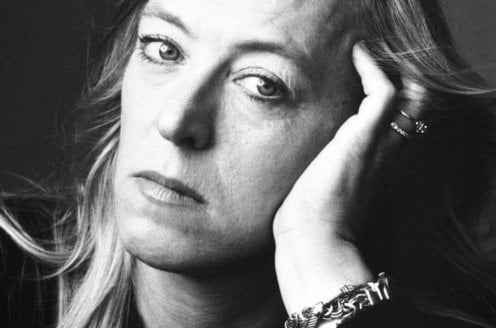
Jody Williams was awarded the Nobel Peace Prize, jointly with International Campaign to Ban Landmines (ICBL), for her work for the banning and clearing of anti-personnel mines.
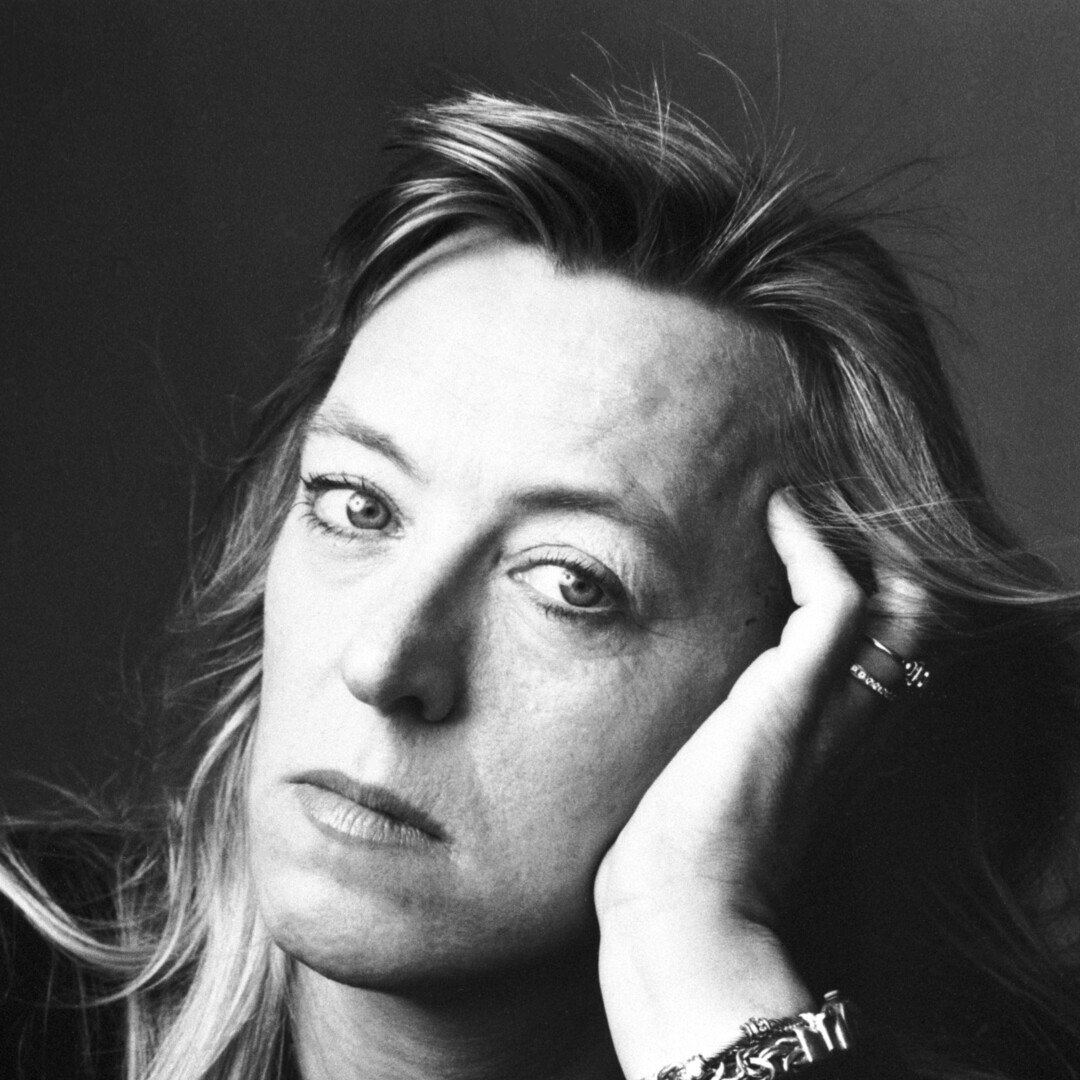
Full name: Jody Williams
Born: 9 October 1950, Rutland, VT, USA
Date awarded: 10 October 1997
Jody Williams studied international politics in the 1980s and became involved in relief efforts in war-torn El Salvador. Landmines posed an ever-present threat to the population, and she was responsible for procuring prostheses for children who had lost arms and legs. In 1991, Williams became the driving force behind an international campaign against landmines. As a result of her determination and organisational skills, 1,000 organisations from 60 countries had joined the ICBL by 1997. The Ottawa Convention, signed by 120 countries in 1997 and ratified by 40 countries when it entered into force in 1999, will always be associated with her name and the ICBL. The treaty banned the use, stockpiling, production and transfer of anti-personnel landmines, and included provisions on demining and mandatory humanitarian aid.
“The ICBL and Jody Williams started a process which in the space of a few years changed a ban on anti-personnel mines from a vision to a feasible reality.”
The Norwegian Nobel Committee, Announcement, 1997.
In his speech to the 1997 laureates, leader of the Norwegian Nobel Committee Francis Sejersted discussed why anti-personnel mines generated such great international concern. After all, he said, humans have access to much more dangerous weapons. He compared nuclear arms to landmines: “The former are the weapons of the rich, the latter of the poor”. Both harm innocent civilians and have devastating long-term effects. But nuclear weapons have not been used since 1945. Landmines, however, detonate every day, maiming the poorest, most defenceless people.
“Together we are a superpower. It’s a new definition of superpower. It is not one, it’s everybody.”
Jody Williams in ‘People’, 27 October 1997.
Thanks to Jody Williams’ organisational skills, the ICBL enjoyed rapid development and substantial support. She encouraged her colleagues to apply new communications technology. Using e-mail and the Internet, mine experts around the globe communicated quickly and efficiently. Surgeons in Afghanistan, mine-clearers in Eritrea and legal specialists in the USA and Europe could be consulted at any time, enabling the ICBL’s leaders to contribute expert information to the negotiations that resulted in the Ottawa Convention.
“Indeed, Williams and her fellow activists have been surprised at their own success. In part coordinated via the Internet, the ICBL may prove to be an excellent model for social movements in the information age.”
From Current Biography 1998.
Born 9 October 1950. Profession: Ms. Jody Williams is the founding coordinator of the International Campaign to Ban Landmines (ICBL), which was formally launched by six nongovernmental organizations (NGOs) in October of 1992 …
Disclaimer: Every effort has been made by the publisher to credit organisations and individuals with regard to the supply of photographs. Please notify the publishers regarding corrections.
The International Campaign to Ban Landmines (ICBL) was awarded the Nobel Peace Prize, jointly with Jody Williams, for their efforts to ban and remove anti-personnel landmines.
Full name: International Campaign to Ban Landmines
Native name: International Campaign to Ban Landmines
Founded: 1992, USA
Date awarded: 10 October 1997
There are currently 100 million anti-personnel mines buried in 60 countries for the purpose of maiming or killing soldiers at war. Many will be detonated by civilians instead. Each year, 25,000 people lose limbs in landmine explosions; many lose their lives as well. The ICBL was founded in 1991 with the aim of achieving a ban on landmines and persuading governments around the world to finance demining activities. The founding coordinator was Jody Williams (USA), who shared the Nobel Peace Prize with the organisation. By 1997, more than 1,000 organisations from 60 countries had joined the ICBL. That same year, representatives from 120 countries signed the Ottawa Convention banning landmines. Small and medium-sized nations, with good help from the ICBL, ratified the treaty, while the major powers refused to sign it.
“Freedom is often the justification for war. But where is the sense in fighting for the freedom of a people employing a weapon which will deny those same people, in peacetime, freedom to live without fear, freedom to farm their land, freedom merely to walk in safety from place to place – deny them the freedom to let their children play without being torn apart by a landmine? That is no freedom.”
Rae McGrath, Nobel Prize lecture on behalf of the ICBL, 10 December 1997.
“There are present probably over one hundred million anti-personnel mines scattered over large areas on several continents. Such mines maim and kill indiscriminately and are a major threat to the civilian populations and to the social and economic development of the many countries affected.”
The Norwegian Nobel Committee, Announcement, 1997
There are two main types of landmines: anti-tank mines and anti-personnel mines. The former are designed to disable tanks and other vehicles, and they only detonate under substantial pressure. The latter detonate at the lightest touch; although they are designed to disable soldiers, in the long term it is civilians who suffer the most. The ICBL has focused its main efforts on banning anti-personnel mines. More and more countries and organisations are donating funds, and many are training both civilian and military demining experts.
The ICBL has succeeded in putting the landmine issue on the global agenda. In 1996, representatives from 50 national governments and observers from an additional 24 nations met in Ottawa, Canada. The assembly passed a plan of action, and Canadian Foreign Minister Lloyd Axworthy held an emotional closing speech challenging the world’s governments to meet in one year to sign a treaty banning landmines. Axworthy’s challenge was partially met. In December 1997, 120 countries signed a treaty banning the use, stockpiling, production and transfer of anti-personnel mines. However, none of the major powers signed the treaty.
“The more expeditiously we can end this plague on earth caused by the landmine, the more readily can we set about the constructive tasks to which so many give their hand in the cause of humanity.”
Diana, Princess of Wales, 12 June 1997.
In the course of 1991, several nongovernmental organisations (NGOs) and individuals began simultaneously to discuss the necessity of coordinating initiatives and calls for a ban on antipersonnel landmines …
Disclaimer: Every effort has been made by the publisher to credit organisations and individuals with regard to the supply of photographs. Please notify the publishers regarding corrections.
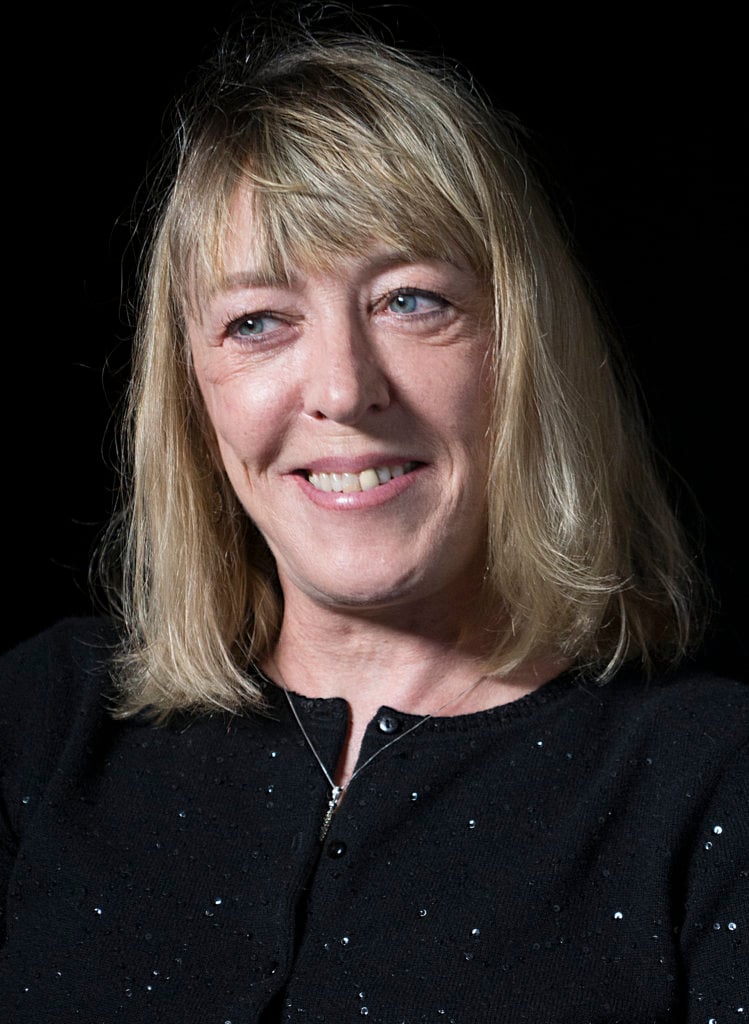
In this podcast episode, peace activist Jody Williams tells us how she has tried to use the power that was given to her after being awarded a Nobel Peace Prize. She is a strong advocate for working across organisations to solve global challenges such as banning nuclear weapons and eliminating the use of sexual violence in war. She also speaks about her work within the Nobel Women’s Initiative, an organisation established by herself and other fellow female peace laureates.
Listen as we take you back to this conversation with Williams, recorded in 2014 as part of the series ‘Nobel Prize talks’. The host of this podcast is nobelprize.org’s Adam Smith, joined by Clare Brilliant.
Below you find a transcript of the podcast interview. The transcript was created using speech recognition software. While it has been reviewed by human transcribers, it may contain errors.
Clare Brilliant: Hi, Adam.
Adam Smith: Hi, Clare.
Brilliant: What are we listening to today?
Smith: We’re listening to an encore presentation of a podcast we recorded for Nobel Prize Conversations back in 2014, which contains the quote. It’s not magic, it’s just getting up off your ass.
Brilliant: That’s quite an intro. I can’t wait to listen now. Who are we hearing from?
Smith: Jody Williams, 1997 peace laureate who got the prize for spearheading the campaign to ban landmines and getting an international treaty together, a global international treaty.
Brilliant: It’s really interesting to hear Jody talk about how she managed to get that campaign together.
Smith: Absolutely. You know, she calls herself a grassroots activist. She, of course, recognises that she has an ability to pull people together, but she doesn’t identify herself as a leader so much as somebody who just can’t stand injustice and is a good person for coalescing energy around herself. In fact, she goes as far as saying that she doesn’t really like the cult of the leader. She thinks it disempowers everybody else who’s trying to get the same thing done, which is a fascinating perspective.
Brilliant: I found that so interesting, her belief that it’s really important to get civil society involved and for people not to feel that only a single person is important.
Smith: Every campaign I think is the same. She’s good at starting things off. She’s good at recognising things, that one she started with her husband to regulate the development of autonomous weapons, which are more and more a problem now as drone use is increasing and AI and surveillance is everywhere. And there’s a real danger that weapons are going to start making their own decisions and there needs to be a regulation of that.
Brilliant: She was also a founding member of the Nobel Women’s Initiative, which works with women’s organisations all around the world for justice and equity and peace. I thought it was really interesting that it only took a few women to be awarded the Nobel Prize for that initiative to be set up.
Smith: Indeed. It was also fascinating to hear her observation that since 1901 and the creation of the Nobel Prize, there hasn’t been a similar men’s Nobel initiative.
Brilliant: For Jody, it really seems to have started young, her campaigning drive for justice.
Smith: Yes, indeed. She seems not to be able to let injustice stand and that’s that comes over right at the start of our conversation. Let’s indeed listen to Jody Williams.
MUSIC
Jody Williams: Hi, Adam. This is Jody.
Smith: Hi. I just wanted to start with the sort of thought of how much you’ve done, because there must be people all around the world, myself included, you see injustices, you see problems you want to confront, and yet you’ve end up thinking, well, what can I possibly do about that? Do you seem to have not had that lack of confidence? You seem to have felt that you could do something about things.
Williams: I think we all can. I believe we all can. I think it’s a matter of choosing to use the individual power that each and every one of us has to work on an issue of injustice, of any type that particularly seizes your conscience, if that makes sense. I’ve been accused occasionally of being full of anger and how can such an angry person be an advocate for peace? It kind of makes me laugh. I can be angry like anybody else at trivial things, but what fires me to try to bring about change in the world is the righteous indignation I feel at injustice, period.
Smith: But it’s hard. It’s hard to get past the anger, isn’t it? Sometimes.
Williams: No. If you want to get past the anger, you have to take that and turn it into positive action to change what is upsetting you. If you don’t do anything, yes, then it’s hard to get past the anger. You have to feel that you have the right and more than the right, the responsibility to be an active participant in life. That’s just how I feel. I believe very firmly that if a person recognises an injustice to such a degree, that it makes them either angry or fearful or that the world will never get better and then they do nothing. By doing nothing they’re also making a choice. They’re giving up their ability to participate with others, to bring about change. It’s not magic, it’s just getting up off your ass – excuse my English, but I do cuss – getting up off your butt and participating with others to bring about change. One of the things I have the hardest time with is the mythologies that a single person changes the world. That is just simply not true. Change happens because many people come together in common cause and work together in a variety of ways to bring about change.
Smith: But a single person, though, so often is the catalyst. We seem to like following single people.
Williams: I don’t mind that to a certain degree, but mythologizing that an individual change the world, disempowers people. Like Martin Luther King, for example. How could I ever be Martin Luther King? You’ll never be Martin Luther King, be better than Martin Luther King. We’re all flawed human beings. I don’t care if your Mother Teresa. No Nobel Prize laureate is a perfect human being, and we don’t do things by ourselves. King’s movement about racial injustice in the US is now boiled down practically to being recognised as the work of King and Rosa Parks who sat up front on the bus. What does that do to the concept of social movement? What does that do to inspire individual people to recognise it? By working together, they can confront an issue that needs to be changed. That’s why I fight very strongly against allowing myself to be described in such ways.
Smith: But do you feel like a leader?
Williams: Yes, but I feel like I lead in certain ways. Others of my colleagues lead in other ways when we work together. I have a skill for, God knows what reason, helping coalitions get together and work fairly well together. That’s my leadership skill. Others in our campaigning efforts have fabulous skills at all the creativity that goes around the movement to capture public imagination. That’s a different kind of leadership. You need all of them in a global effort to bring about change. But sure, I’m a leader. I think it’s partly because I’m not afraid to say what I believe, and I will not lie. People are so used to being lied to, that when somebody speaks straight to them in normal language, it’s quite stunning.
Smith: Is that something you had to learn? Not lying.
Williams: No, I was raised Catholic. Lying was a sin.
Smith: Yes.
Williams: And my parents didn’t lie. My parents were very straightforward. My grandfather, my God, couldn’t lie if his life depended on it. He was a forceful human, my mother’s father. I think I identified with them, of course, in ways I couldn’t express when I was a kid, but I certainly recognise it now.
Smith: Not lying is interesting because I suppose most people are brought up being told that white lies are okay. It’s okay to lie, to help people and things. I suppose a lot of us develop into thinking that a lot of the lies that we tell in life are white lies.
Williams: Yes. I recognise that occasionally a white lie is okay. For example, I left the Catholic faith at 17. My mother is a lovely Catholic, and I say lovely, because she’s not oppressive. It’s her religion. She takes solace in it and all those good things. When I was leaving the faith myself, I tried to shake the foundations of her faith, thinking that I was being honest and righteous. Then I realised that that was not okay. It was my own journey. She had her journey, and I stopped beating her with my truth. If that makes sense. But issues of public policy, issues of a movement for change, I would never say a white lie. I believe it’s inappropriate. I don’t think it motivates people to want to participate in change if they think people who are trying to include them are lying to them in any way.
MUSIC
Smith: Apart from speaking straight to people, what do you think it is? What in your character allows you to bring these coalitions together? Allows you to bring people together?
Williams: I am not sure. I think you’d have to ask the people I work with. You know what I mean? I don’t know. If I see people not communicating well, and they’re all working on the same issue, and you know that they can accomplish more by working together, I don’t know. I just start talking to different groups about possibilities of working together. And that doesn’t sound good. For example I was instrumental in creating a new campaign to stop killer robots. I was writing an article about the US military, the CIA, their mercenary groups, and the use of drones by the US in extra judicial execution. In other words, in breaking international law quite a few years back. In the research for the article, I came upon the fact that drones soon will be like the Model T of so-called technologically advanced weaponry. That the move is toward increasing autonomy and ultimately weapons that on their own can make target and kill decisions. I was horrified and terrified, and came into my kitchen and started speaking about it with my husband, who is Steve Goose, who runs the arms division at Human Rights Watch. We had met banning landmines, and then he went on to be one of the leaders of the coalition to ban cluster munitions. I just started talking to him about killer robots, and that I thought they were horrifying, and they scared me more than nuclear weapons. I grew up in the duck and cover generation, if you know what that is. So we actually had to practice ducking and covering under our desk in like grade school and junior high school, rolling up into a ball under the desk to protect ourselves during direct nuclear attack.
Smith: How terrifying.
Williams: How terrifying and mindless. But I really grew up as a kid, terrified of nuclear war. My family lived on the ragged edges of the middle class, and if my family ever had money, I didn’t want like a matching skirt and sweater set. I wanted those to be able to build a bomb shelter in our backyard. I’m completely serious. To feel the killer robots are more terrifying than nukes was startling to me. But the thought of so-called technologically advanced countries, and the countries that do the right thing, creating weapons that on their own can kill human beings and thinking that’s okay, made me ill. So I started talking with Goose and convincing him that we needed to bring together organisations that we knew from other campaigns and try to create a steering committee to launch a campaign to stop killer robots. We did that. It was really because I thought it was an issue that nobody would deal with if we didn’t push, and it needed to be dealt with. Some organisations had individually been making statements, but nobody was bringing people together to work on it. So we did.
Smith: You make it sound very straightforward. It’s obviously what needs to be done. Go ahead and do it.
Williams: That is how I feel about it. That’s why when people say to me what makes you a good leader in campaigns, I don’t know, maybe it is because I see something needs to be done, and I have no problem going out and convincing other organisations working on similar issues that this is an issue worthy of being worked on, and what can we do together? Then they either say yes or no.
Smith: It is interesting that you keep stressing other organisations. You keep stressing working together. It’s obviously natural to you to think that you should get like-minded people together and you should work collaboratively. I suppose not everybody thinks like that. I suppose some people tend to take a lot on themselves.
Williams: You mean their ego gets in the way of thinking they should work with others?
Smith: I might be trying to be a bit polite, but yes.
Williams: I know politeness is one of my challenges. Sometimes I can be very gracious, other times not.
Smith: But yes. That’s what I mean.
Williams: I find that oftentimes it is ego and turf, even in the non-governmental world that keeps people and organisations from working together. In our issues being landmines, sequester, munitions, and now killer robots, we had a certain advantage that I hadn’t thought much about until after the fact of the landmine campaign in that nobody was working on the issues. There were people doing demining, human rights watch was carefully documenting the impact of landmines on civilians after war, et cetera. But nobody was coming together to take political action to try to deal with the issue, which meant when we talked about launching a campaign, there weren’t organised organisations with established turf that felt like they would lose something by being part of a coalition.
Smith: Sure. Yes.
Williams: For years, I have criticised the old line of anti-new groups for not for exactly what I’m talking about. Having worked on the issue for so many decades, having developed an established way of working with governments, that obviously resulted in nothing happening, that telling them that the only way they would actually bring about change is working together as a coordinated effort to press governments to do what they should do anyway. They could not do it, which is why organisations like ICAN, it’s a global campaign. They stop nuclear weapons and it is working in a coalition fashion. But a lot of the older groups, I might add they’re all led by old white men, just have not been able to get out of their thinking of decades that you have to work with the governments and gently push them. Nukes will not be gotten rid of if you gently push the nuclear powers.
Smith: I suppose it is very difficult that if you establish a way of working and you try because you believe in something to make change, and you don’t necessarily succeed, but you do something, then for somebody to come along and say, well, let’s do it a different way, sort of implies that you’ve been doing it a bit wrong, perhaps, or you can take it that way. Then that is a challenge.
Williams: I would say I said it straight out. I didn’t leave it to their imagination. I said, clearly you guys, it’s not working.
Smith: Yes.
Williams: In your little silos, you’re not accomplishing what 70% of the planet wants to see. You can accomplish more by working together and pushing the envelope. As long as governments are comfortable with your little incremental movement, nothing’s going to change.
Smith: Yes It’s a worry because I suppose the world is made up of silos and we have the odd exception perhaps, such as the International Campaign to Ban Landmines where people got out of their silos and something happens, or got pushed out of their silos. But it’s the exception.
Williams: Well, I don’t know. Look at the 350 movement for the environment. It’s huge. It’s global. There’s a 350 Vermont in my home state that I participate with. It’s tons of organisations, big ones even with established history, which is kind of interesting, I’ll have to think about that, who have come together to work to try to stop the destruction of our environment. It wasn’t just humanitarian disarmament like we practice. There’s the coalition effort against child soldiers, the NGO coalition in support of the creation of the International Criminal Court. There are lots of things out there happening that a lot of people don’t know about. Because it’s not in the interest of the media to talk about it.
Smith: Yes.
Williams: The official story, war violence, we’re conditioned to believe that war and violence sell newspapers. How could you prove otherwise when all they do is highlight war and violence? The people you always hear who are always quoted are the same 25 officials in government or the institutions that support them.
Smith: That’s true. It’s a very small pool of people, isn’t it?
Williams: Because they keep it small. I mean, there’s a huge pool of other opinion.
Smith: It’s true that war and violence is the daily diet and also the daily diet of entertainment for the majority.
Williams: That’s because the same companies that own the so-called free Media of America, also own the corporate institutions that create film. It’s a little cabal. They work closely with the Pentagon, actually on many of their war movies.
Smith: Yes. That figures. Would you call that a conspiracy or?
Williams: No, I would call it “a war makes money, war movies make money, so why not promote it? ”
Smith: It’s just good business.
Williams: It’s good business, yes. It may not be like, I’m evil. I’m going to promote this because I know I will make money. It just makes money. You get into it, you don’t think about it. You wrap yourself in the flag. People have to lie to themselves to be able to do much of what they do in the world of war.
Smith: Which brings us back to the question of the killer robots you mentioned because this is something that I suppose people haven’t thought much about. Autonomous robots that are making their own kill decisions and you feel this is, not around the corner, but coming for sure.
Williams: It’s in progress now as we speak. There’s robotic equipment already in use on the battlefield. I’m not talking just about drones, they aren’t weaponised robots, but they’re robots that can carry equipment for a platoon. So the platoon doesn’t have to carry it itself. They’re little things that can go around a corner in an urban area and look to see if there are combatants hiding there. The movement toward increased autonomy we are told is inevitable. That we should just shut up and watch how it develops to make sure it isn’t evil.
Smith: Yes.
Williams: I think that that is patently absurd because the military never restrains itself. It needs to be forced to remember that it’s part of a larger society.
Smith: In some ways, it’s a rather different challenge to the landmine challenge because landmines were, although still in use, a little bit the weapon of the past, whereas now you are tackling the weapons of the future.
Williams: It’s true. Those weapons of the past weren’t worth much money. These weapons of the future are billions of dollars for the researchers, the beltway bandits, which are the companies in the so-called defense industry. A lot of the robotic work is being pushed by the industry, not by the needs of the military, which is also an issue that needs to be addressed.
Smith: Do you feel that you are making good headway with this campaign?
Williams: I’ll tell you, nobody was ever talking about it. I really believe the military and the industry thought it would just kind of sail right along. Suddenly over a space of a decade probably or so, we would have robotic weapon systems that can target and kill. I think they had no inkling that people might be agitated by this and create a campaign. They are aware of the public horror at the thought. We launched the campaign in April of last year. Within seven months, governments had decided to begin talking about killer robots in Geneva, this coming May. I’d say that we’ve made quite a bit of headway. I’m startled that that is happening.
MUSIC
Smith: In 2006, you decided to get together with some other female peace laureates form this group, the Nobel Women’s Initiative, which basically is that, isn’t it? It’s lending your powerful voices to campaigns to help.
Williams: It’s lending our powerful voices to women’s organisations around the world working for sustainable peace with justice and equality. We also helped spearhead a campaign to stop rape and gender violence in conflict. We just turned eight years old. I think we launched that campaign in May of 2011. But our, for example, there was just a Nobel Women’s Initiative delegation to the Democratic Republic of Congo. We brought women primarily from the US to meet with women’s organizations. They’re fighting against rape and gender violence and war. Then the Nobel Women’s Initiative people went on to Nairobi to meet with the many of the organisations in Africa that we work with to strategise for actions in Africa, as well as to prepare for the upcoming summit this June hosted by William Hague, the foreign secretary of the UK. I don’t know if you know about the Hague initiative to deal with rape and conflict. Our being with these organisations helps bring them together, helps them strategise, helps their voices be heard in ways they just otherwise wouldn’t be. It makes me happy. It’s the first time that I really felt thrilled about having the Nobel Prize. Because I felt like I was really sharing it with women around the world doing great work and who needed support.
Smith: It certainly seems to be putting the prize to good use in a most palpable way. It really makes something of that prize.
Williams: Absolutely.
Smith: We often ask Nobel Prize laureates, how has the prize changed things for you? Sometimes the answer is that, it’s great but it sort of interferes in the business of getting on with research. Other times it sort of turns one towards a public audience. But this is something fairly different.
Williams: I also note that, how many men have received the Nobel Peace Prize? Many of them I’m very close friends with, but there’s never been a Nobel men’s movement where they coming together to use that influence and access to support people around the world. I do think it’s quite fascinating that when we recognised there was sort of a enough women recipients alive today, that we could be something of a force that we immediately decided to create the Nobel Women’s Initiative. It has had a significant impact that is not measurable in today’s world, of trying to turn everything into corporate measurability, which makes me ill. I’m a grassroots activist. When somebody calls me a social entrepreneur, I do get angry. I’m not an entrepreneur, I’m an activist. In the philanthropic world, wanting every single thing to be measurable and accountable, some grassroots activism is not measurable like the corporate world.
Smith: Yes. What’s your key performance indicator?
Williams: Exactly. Mine is when women and women’s organisations write and say, thank you Nobel women for coming together and being a force with us and for us in the world. Those emails make me thrilled. You have no idea how much you influence us to and inspire us to do whatever. It’s fabulous. That’s what the Nobel Prize Peace Prize should be about, in my view.
Smith: You described yourself as a grassroots activist. Where did that come from? You’ve mentioned your Catholic upbringing so you weren’t brought up an activist.
Williams: No. But my father was an avid democrat in a Republican state. Vermont was, although it’s one of the most progressive states in the union now, when I was a kid growing up in a teeny town, it was a Republican state. My dad was vocally Democrat.
Smith: Indeed, there’s a lot of activism in the Catholic church. There’s no reason why it shouldn’t have been, but it wasn’t.
Williams: Not, not Catholic, I didn’t know Catholic activism till I was working in Central America and came upon the nuns and priests motivated by liberation theology. The Catholicism of my youth. It was hell, fire and damnation. It certainly wasn’t activism.
Smith: So where did it come from?
Williams: Vietnam. My first public protest was in May of 1970 against war in Vietnam. I was a 19-year-old university student. As anyone who knows anything about the Vietnam period, it was a war that affected everybody in one way or another. For me, it helped shatter my belief in the mythology of that America was great and good, and only did things for the best of people everywhere. If the military went anywhere, it was like World War II, to save the world. I learned then that that is a myth.
Smith: Did that feel like a betrayal at the time? It must have been quite a shock to realise that.
Williams: Of course, it was a shock. I don’t know if it felt like a betrayal, but it made me angry and it made me want to find a way to work to try to change US foreign policy. For me, it wasn’t in the State Department.
Smith: Yes.
Williams: Here I am, three decades or four decades later, still in my own way, attempting to deal with US foreign policy.
Smith: Did you find that you were good at it, or did you find that you enjoyed it? Is there a taste for activism in there? Because of course, it’s primarily driven by driven the sense of injustice and needing to change things. But do you also like being an activist, I suppose?
Williams: I wouldn’t do it if I didn’t. I have been fortunate to be able to live my life doing what I believe in. Not everybody has that fortune. I love being an activist, but I get burned out like everybody. There have been times where I wanted to walk away from it and just have the IQ of a large head of lettuce, which is zero and not care, but it’s not possible.
Smith: To sort of catch light at 19, because there’s Vietnam to object to is in a way a sort – it’s awful to describe and I don’t mean to describe Vietnam as a lucky circumstance – but it’s a lucky circumstance to find that at 19, a pretty good time. You find out sort of what you’re made of.
Williams: That time in US history, it was also the Civil Rights Movement with Martin Luther King. It was Vietnam. It was the re-emergence of the woman’s movement. It was just bubbling social change. You’d have to have the emotions of a box of rocks to not respond in some way to all of what was going on around you. You couldn’t not see it. If you turned on the television every night, which my parents did, you would see the Vietnam War in your face. Unlike the wars today we’re not allowed to see them because it might distress the American populace, which needs to be distressed. We saw it, and friends were getting drafted. There’s no way you could escape it. I didn’t want to escape it. I wanted to embrace it fully. I never stopped wanting to embrace it fully.
MUSIC
Smith: Somehow during your time in El Salvador, you became the person who then would start the campaign to ban landmines, or rather bring people together to that campaign. How did that come about? I mean, how did it come about that you took on the landmine challenge?
Williams: One little thing before that even when I was doing work on El Salvador, I wanted organisations working on the different wars in Central America to coordinate their activities. I actually tried to coordinate with other groups, and it just went nowhere. Somehow in my guts, I even knew then that if you work together, you could do more. Then I was hideously burned out after 11 years working on Salvador in a couple years, Nicaragua and Honduras. I was actually thinking about getting a straight job for a while. I was saved from myself when I was asked by Bobby Mueller of the Vietnam Veterans of America Foundation, and Tomas Auer, a man I knew from my Central America work. Auer ran Medical International, which is a German humanitarian relief organisation, if I wanted to create a political movement of non-governmental organisations to ban landmines. I thought about it for about 37 seconds and agreed. I wanted to try. And here we are with a treaty that has changed the world on landmines and a way of working together with governments and international institutions and NGOs that can face challenges in the world and bring about change. The model we created in many ways is more important than the treaty. I mean, obviously the treaty is an important treaty in the world, but the sense that we have given to ordinary people around the world that they can make a difference, it’s huge. The experience of work, governments and non-governmental organisations working in partnership also has been a huge thing. I’m very proud of that part.
Smith: The treaty is exactly 15 years old now.
Williams: Yes. It entered into force 15 years ago on March 1st.
Smith: What do you see as the end point of that campaign? Does it have another endless time to run, another 15 years to run? What do you think?
Williams: I hope not. I hope it isn’t still around in 15 years. I believe that it has been fundamental in the countries actually obeying it, complying with it. The stockpile mines destroyed the mines out of the ground, the survivor assistance the stigmatisation of the weapon to such a degree that countries that haven’t signed it pretty much obey it, including the US, China, Russia. Certainly at some point, I think it should end. I’m not sure when that is. We certainly talk about it.
Smith: How active does the campaigning have to be? Is it almost a self-sustaining movement now? Or do you still have to keep pushing?
Williams: I honestly am not very involved in it. I show up for events when my colleagues think it’s youthful. My energy now really is the Nobel Women’s Initiative, Stop Rape campaign, the Stop Killer Robots Campaign. For example, this summer though, there will be every five years of the Mine and Treaty, there is a general review of the treaty language, the obligations, how they’re being met, what challenges there are. This year, it will be this summer, I think in June in Mozambique. It’s kind of like closing a circle because Mozambique was the first country where we did have a mind band treaty meeting. I’ll go to that. That’s the kind of event that I participate in these days. I would certainly hope by the time the next five year review happens, the landmine campaign won’t need to be there.
Smith: Do you think the weapon itself will ever cease to exist?
Williams: Sure. They’ll always be improvised devices, but I mean, hardly any nation in the world today uses it. The country that has consistently used it is Burma. Both the government forces and the gorillas. But there’s been amazingly limited use of landmine since the treaty.
Smith: That is a massive success story, that something can become a pariah that people just have to avoid it, even though it must be very tempting for in many circumstances.
Williams: Yes, absolutely. We want to do the same thing with killer robots.
Smith: Tell me a little bit more about the model, the model you devised.
Williams: We didn’t devise it on purpose. It emerged out of our work. At first, our position with governments was somewhat adversarial. When I first went to New York City and tried to meet with governments at the UN missions there, every single person I met with said essentially, go away, girl. They didn’t say it that way, but, you’re crazy. This will never happen. Over time, as governments began to pay attention to the information we had, and look at the long-term result, impact of the weapon, and they started to respond by taking domestic steps, national legislation, and as more countries did that, we worked closely with them and they became the core group of governments that ultimately pushed forward the mind being treaty. It was through that whole process of working with them as they passed national legislation, and then getting them talking to each other to move it forward, that the model emerged. It wasn’t something we sat down and plotted out.
Smith: One can see how that model, for instance, would be the way forward with killer robots.
Williams: That’s what we’re doing.
Smith: With the other campaign. You mentioned against rape. It’s a very different model, isn’t it?
Williams: Yes, it’s harder for sure. Violence against women is accepted. Protestations of the contrary. You go and beat your wife, it’s a domestic, it’s something that happens in your home, and it’s nobody’s business interfere. The objectification of women and all of that, that we’ve heard about a million times. But all of that supports a feeling of men, that they have the right to do whatever the hell they want, and they won’t suffer the consequences. Impunity for rapists, whether it’s in war or in peace, is appalling. Instead of the emphasis being on stop rape, it’s on telling women how to avoid rape. It should be telling men that they should not rape and that when they do, they will go to jail, period. Instead of looking how the woman was dressed, or even if she’s a prostitute, it doesn’t give you the right to rape her for God’s sake. Why do we never look at the men who do the raping? It always becomes a double, triple trauma for the woman because she has to defend herself, prove that she wasn’t provocative. Talk about her past sexual life, which has nothing to do with anything. It’s appalling. Given that point of view in much of the even “civilized world” tackling it during war is that much harder. But I think by tackling it in war, we have leverage to tackle it across the board, which is why I find it interesting.
Smith: Start at perhaps the hardest point. But again, I suppose, it may be a silly or simplistic parallel but a bit like land mine, it’s a question of making it unacceptable. It’s a question of making it something that public consciousness is not prepared to put up with.
Williams: It’s also making men instead of feeling uncomfortable when they hear the word rape because they don’t want anyone to think they might be a rapist, How about men getting up and being proactive? Go and join women’s organisations that are trying to stop rape. Don’t just sit there and cower and worry about how you’re going to be seen. Get up and do something. Women need men to stand up and say, I’m not a rapist. I don’t beat my wife. I’m training my sons to not be rapists and beat their wives. I stand with women. Who does that?
Smith: Good question.
Williams: There you go. We’re trying to work with men’s organisations that do that. There aren’t many.
Smith: I suppose if you go, for instance, to the webpages of the Nobel Women’s in Initiative it’s not immediately apparent perhaps that this is for men also. Perhaps in some ways it is but in some ways it isn’t. It’s also a another barrier to find ways to make men understand that they’re included.
Williams: It’s something we’re working on in the campaign leadership group, which is something like 28 organisations that are on the coordinating board or whatever it’s named. I can’t remember. From all over the world, from Burma, from Africa, central America, everywhere. Because it’s a problem everywhere.
Smith: There are many fronts to be fighting on.
Williams: I still have the energy to do it, so there you go.
Smith: You said you occasionally want to feel like switching off, but do you ever get tired?
Williams: Of course I get tired.
Smith: You don’t feel you’ve done enough ever.
Williams: Sometimes I feel like I haven’t come close to doing enough. Sure. I’m a normal human. I don’t sit here and think, oh wow, I won the Nobel Prize. I’m magnificent. I’ve done all these great things. I never think that. I think, what can I be doing now that now helps bring about change? Yes, I get tired of thinking about that. My fantasy is a full calendar year in which I have to go nowhere. That I can’t go in my own car. I don’t want to get on another airplane. I don’t want to go be inspiring. I don’t want to have to feel the pressure of being inspiring, which is one of the things that comes with the Nobel Prize. Yeah, I’d like to just do nothing. But that isn’t going to happen.
Smith: For how many hours of the day do you get to be normal each day?
Williams: Oh, I’m normal all the time when I’m home. My husband and I are very normal. I think it’s hilarious. Sometimes people say to us, oh, the conversations you two must have. Yeah, occasionally. But normally that’s when we’re in campaign meetings. When we’re home. It’s dear, I already cleaned the cat boxes, what are we having for dinner? Who’s cooking? You? Me or both of us?? You need to add that to the grocery list, we’ve run out of raisins or whatever. It’s normal stuff. I’m very normal at home. For example, right now I’m still in my lounge wear.
Smith: That’s nice.
Williams: It’s because right before you and I started talking, I spent an hour on my recumbent bicycle exercising. Sorry, that’s obviously the clocks.
Smith: Gorgeous to hear the grandfather clock in the background.
Williams: Isn’t that beautiful? It’s actually a wall clock, but it’s a pendulum clock. And I love it. Yes, I work out. It helps make me less crazy.
Smith: It’s been a real pleasure listening to you. Thank you. I have to say, being inspirational for an hour. Thank you.
Williams: Alright, thanks.
Smith: Thanks again.
MUSIC
Brilliant: This podcast was presented by Nobel Prize Conversations. If you’d like to know more about Jody Williams, you can go to nobelprize.org. Where you’ll find a wealth of information about the prizes and the people behind the discoveries.
Nobel Prize Conversations is a podcast series with Adam Smith, a co-production of FILT and Nobel Prize Outreach. The producer for Nobel Prize Talks was Magnus Gylje. The editorial team for this encore production includes Andrew Hart, Olivia Lundqvist and me, Clare Brilliant. Music by Epidemic Sound. You can find previous seasons and conversations on Acast or wherever you listen to podcasts. Thanks for listening.
Did you find any typos in this text? We would appreciate your assistance in identifying any errors and to let us know. Thank you for taking the time to report the errors by sending us an e-mail.

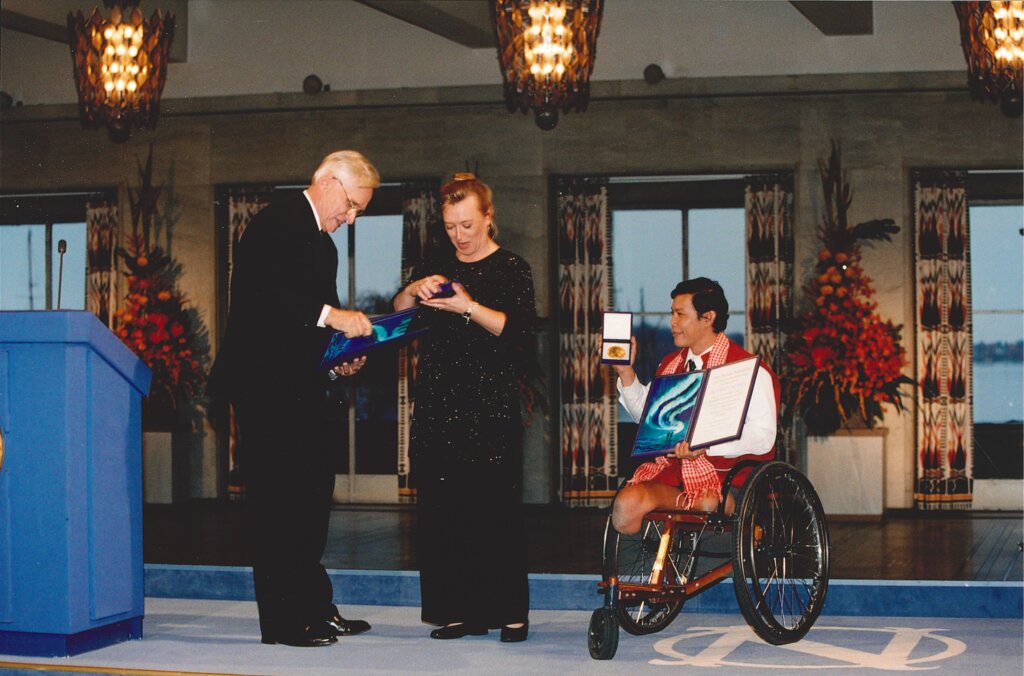
Jody Williams and ICBL ambassador Tun Channereth showing their Nobel Prize medals and diplomas at the Nobel Peace Prize award ceremony at the Oslo City Hall in Norway, 10 December 1997.
© Knudsens fotosenter/Dextra Photo, Norsk Teknisk Museum.

Nobel Committee Chairman Francis Sejersted presenting the Nobel Prize medal and diploma to Jody Williams at the Nobel Peace Prize award ceremony in the Oslo City Hall in Norway, 10 December 1997.
© Knudsens fotosenter/Dextra Photo, Norsk Teknisk Museum.

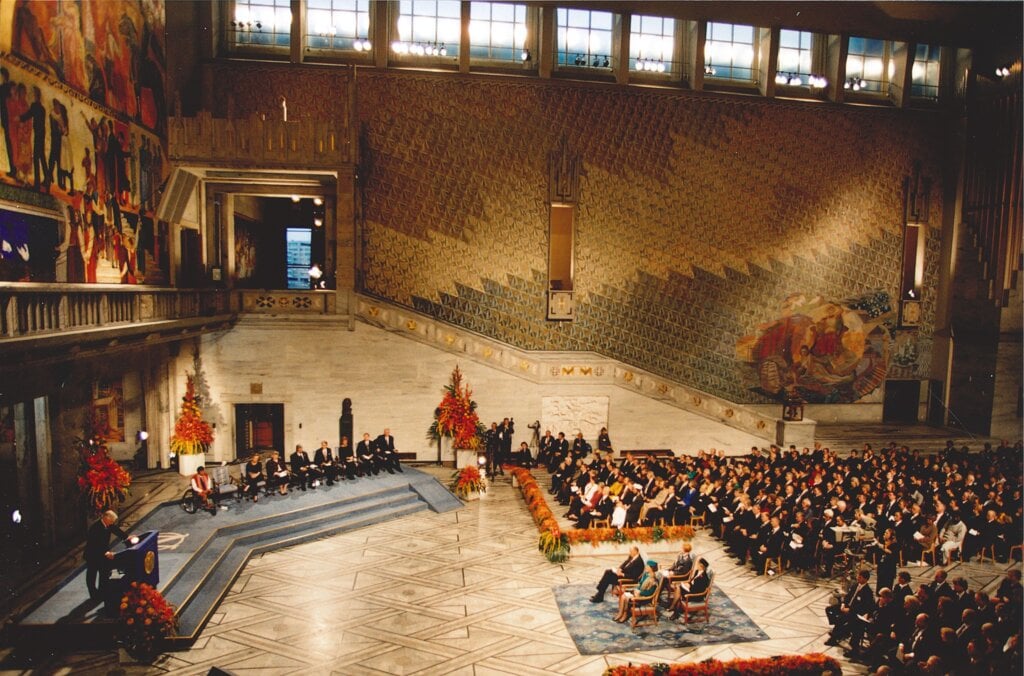
Nobel Peace Prize award ceremony in the Oslo City Hall, Norway, on 10 December 1997.
© Knudsens fotosenter/Dextra Photo, Norsk Teknisk Museum.
In an area of Iraq destroyed by ISIS, Hana Khider leads an all-female team of Yazidi deminers in their attempts to clear the land of mines. Their job involves painstakingly searching for booby traps in bombed out buildings and fields, where one wrong move means certain death. Even though the devastations caused by ISIS still are evident and the local people are suffering, they are trying to forget the past and remain hopeful. Hana works for the Mines Advisory Group, an organisation who are part of the International Campaign to Ban Landmines.
Nobel Lecture, Oslo, December 10, 1997, by Rae McGrath on behalf of the International Campaign to Ban Landmines
Your Majesties, Members of the Norwegian Nobel Committee, Excellencies, Ladies and Gentlemen,
Almost exactly fifteen years ago somewhere close to the Thai-Cambodian border, Tun Channareth was lying helpless in a minefield, both legs shattered by an anti-personnel mine. As his terrified friend looked on he took an axe and attempted, in his own words, “… to cut off the dead weight of my legs”. Horrified by the sight his companion snatched away the axe and dragged him from the minefield. Mercifully unconscious through loss of blood for most of the hours that followed he awoke to find his legs amputated. Today he lives with his wife and six children in Cambodia, he designs wheelchairs and works with disabled children, encouraging them to live full and active lives. Tun Channareth is one of tens of thousands of campaigners from more than sixty countries who work in a worldwide partnership; the International Campaign to Ban Landmines (the ICBL). Reth was chosen to accept this prestigious award because he exemplifies the experience, commitment and activism which form the roots of this campaign, a coalition of more than 1100 nongovernmental organisations. We were, and still are, driven, not by the wish to ban a weapon of war, but to bring to a halt the unacceptable impact of the anti-personnel mines on people.
It is the indiscriminate nature of the anti-personnel landmine, the fact that it is triggered by its victim, that it remains active indefinitely after conflicts cease, which make it different from any other weapon. However, it was also its impact over such a wide area of human activity which singled it out – and made the birth of the ICBL inevitable. How could organisations committed to work with communities affected by landmines fail to recognise the fact which governments and the manufacturers had chosen to ignore – that the situation was already out of control and extending further beyond our capacity to respond with every new conflict? And armed with the facts about this weapon, how could civil society fail to respond?
Clearing landmines while others were being planted, manufactured and traded was no solution. Amputating limbs and providing prostheses for one survivor while another bled to death unaided was no solution. Why provide improved seeds for farmers whose fields were mined, or vaccinate animals which graze in minefields? We saw a world where peace had few advantages over war. The circle of manufacture, supply and use had to be broken. The answer was a ban – and so the campaign was born.
We called for a global ban on use, production, transfer and stockpiling and demanded adequate resources for demining and victim assistance. That call remains unchanged – a demand by civil society that governments throughout the world could not ignore.
In Ottawa last week more than 120 nations signed a treaty banning anti-personnel mines – a treaty which overcame the slow progress which had become the hallmark of international legislation. We applaud those governments who initiated and drove this process which began as a direct result of civil activism expressed through the work of the ICBL. The campaign, because of its diversity of experience and direct links to the minefields of the world, has been able to support the Ottawa process from the beginning; providing the humanitarian and technical data which underpins the urgent need to ban antipersonnel mines. We have praised the comprehensive nature of the treaty. But at the same time a key role of the campaign has been to identify and challenge areas of concern in the treaty since these could cost lives and deny land. For example; the treaty excludes “… mines designed to be detonated by the presence, proximity or contact of a vehicle as opposed to a person, that are equipped with anti-handling devices …” from definition as an anti-personnel mine.
Anti-handling devices are designed to kill or maim deminers. The Ottawa treaty rightly calls for signatories to assist and fund humanitarian mine clearance initiatives. It is, therefore, contradictory and against the spirit in which this treaty was conceived to include a specific exemption for a device which is designed to make that task more dangerous. Delegates at the Oslo conference which finalised the text of the treaty established for the diplomatic record that landmines equipped with devices which would explode as a result of an innocent or unintentional act were considered anti-personnel mines and therefore banned, the campaign will hold them accountable if this diplomatic understanding is not honoured. Allow me to put this in perspective.
Less than three weeks ago, on November 21st at ten-thirty in the morning, David Licumbi, an experienced humanitarian deminer, was working on the Lucusse Road in Moxico Province, Eastern Angola. David died when an anti-tank mine exploded less than a metre from him. He did nothing wrong, he broke no rules – a magnetic-influence anti-handling device fitted to the mine responded to the presence of David’s mine detector. The implications of this incident go far beyond the tragic death of a deminer, work on this key road has ceased and this will threaten the resettlement of displaced Angolans and damage community confidence in the peace process. How can we ask these brave men and women to continue their work when their very detection devices may become the instrument of their deaths?
And so we view the Ottawa Treaty as a first and valuable step, a milestone in a battle to rid this world of anti-personnel mines. While these weapons remain in the world’s armouries there is no nation immune from their effects – they can be delivered by aeroplane or missile and once they are deployed there is no magic technology to remove them – it would take no more than a few days to turn this country, Norway, into one of the world’s worst-mined nations. It would take years to make it safe again and during those years Norwegians would become so familiar with the sight of limbless, blind and scarred compatriots that they would no longer turn their heads to look. Norwegians would become deminers of their own land and learn too late, as the people of Bosnia today are learning, that there is no immunity from the impact of this weapon.
To sign the Treaty is not enough, forty countries must ratify this treaty before its entry into force and no nation which seeks to reverse the damage done to our world by this weapon can justify any delay in ratification.
The International Campaign will do everything in its power in the coming months to achieve a legally binding ban by December 1998. To this end we, as Nobel Peace Prize Laureates – issue a challenge directly to the Heads of State of each signatory country – make sure that your country is among the first forty nations who ratify the Ottawa Treaty.
What of those nations which have failed to sign the Treaty or those which have not even attended the preparatory conferences? It would be easy to focus totally on China, the United States and Russia, nations whose stubborn refusal to put humanitarian concern above ill-judged military policy is inconsistent with their status as UN Security Council members and major regional powers. But what of those countries like South and North Korea, India, Pakistan, Israel and Syria whose, often valid, concern for their border defences blinds them to the damaging nature of the anti-personnel mine? What of Egypt, a country which is itself blighted by landmines emplaced decades ago, which argues it needs anti-personnel mines to deter smugglers from crossing its borders? We have heard much about the South Korean minefields. South Korea and the US government argue that the Demilitarised Zone minefields are of such importance they wish to make them exempt from any landmine ban. The ICBL does not accept the defensive utility of and necessity for the retention of those minefields.
Freedom is so often the justification for war. But where is the sense in fighting for the freedom of a people employing a weapon which will deny those same people, in peacetime, freedom to live without fear, freedom to farm their land, freedom merely to walk in safety from place to place – deny them the freedom to let their children play without being torn apart by a landmine? That is no freedom.
All those States who have failed to sign this treaty have failed humanity – size, power and economy are irrelevant – they are intransigent and uncaring in the face of compelling humanitarian, economic and environmental evidence that anti-personnel mines should be banned.
We are determined that the Ottawa Treaty will become a global legal instrument applicable to all states and will leave no avenues of action uneplored to achieve that aim. Together we have achieved so much but our progress must be measured against an obscene reality – that there are warehouses overflowing with anti-personnel mines throughout the world. These weapons must be destroyed – their mere presence is a threat since, while they remain in store, any country which goes to war will be tempted to deploy them. The destruction of stockpiles removes that possibility.
The Campaign will focus particular attention on those nations which have not signed the Ottawa Treaty, especially those which manufacture, export or use anti-personnel mines. It is our contention that the treaty establishes a norm which is equally applicable to nonsignatories, that the use of anti-personnel mines by any force, from any nation including guerilla armies, is no longer acceptable.
And here we would offer another challenge to signatory states; illustrate your commitment by destroying stockpiles of anti-personnel mines and enact domestic legislation outlawing the design, manufacture, trading and use of this weapon immediately – do not wait for the treaty to enter into force, do it now.
Arms manufacturers have driven and encouraged the trade in landmines and profited from the misery of millions – we intend to hold governments to their treaty obligations which require them to stop all production of anti-personnel mines and their components. Who can forget the competition to ship millions of mines to Iran and Iraq, mainly from Italy, and the role of countries like Singapore in providing a “legal” conduit for those mines to reach their destination? Happily the Italian government has enacted legislation which has driven the worst offenders out of the business of landmine manufacture, a process initiated and supported by the ICBL — but our business with those companies is not concluded until we are assured that they have not merely transferred their production overseas. The supply of components implies no lesser culpability than primary manufacture. We should remember the lesson learned by the people of Sweden, who believed their country to have had no involvement in the export of landmines during the Iran-Iraq conflict. They were wrong – because the explosive which filled millions of Italian mines came from Sweden. And so we can be sure that today as a result of that trade cooperation, many years after hostilities between those two countries ended, a Kurdish farmer or a mother searching for firewood or a child playing in the snow will be killed or maimed by a mine like this (holds up VS-69).
This is not an attempt to vilify selected nations – it is a plea for civil society to demand transparency from the arms industry, the military and from their governments. It is no moral excuse to wring your hands and cry “but I never knew” – if you never asked to know.
We have this target in view – that no soldier will carry an anti-personnel mine into battle. That no government or company anywhere in this world will make anti-personnel mines nor any weapon, by any name or in any shape, that is, in effect, an anti-personnel mine.
We will investigate all possibilities to achieve that target. Member organisations of the ICBL will continue examining the potential for mounting legal actions which may result in the payment of damages to mine victims, their families and mine-affected communities. Neither will we neglect the environmental impact of landmines. If a company can be held legally liable for an oil-spill we must ask why similar sanctions should not apply to arms manufacturers who have supplied landmines.
A small girl once explained patiently to me the moments following her crippling by a mine:
“We were playing a game by the railroad track on the hillside, we had to hop up the hill, we each took our turn. I was hopping and then there was a flash – a very bright light – and I thought there was a bang but my ears hurt and I could not tell. It was frightening and my friends ran away and I ran after them. But I fell over which made me more scared and I got up very quickly and then fell over … and I slipped down the hill and I could hear my friends shouting and there was a strange smell and I started crying, I wanted my mother because I couldn’t get up and run away or even sit up properly. Then I saw that something was wrong with my leg – it was twisted and very dirty and I saw it was bleeding – then I forget. When I woke up my face was wet, my mother was holding me very close and her tears were dropping on me. She said “Don’t worry – you will be alright”, I hurt a lot but I was happy then.”
Anti-personnel mines do not only sever limbs, they can break the human spirit. We talk not of mine victims, but of survivors – but to survive such trauma requires support, encouragement and love. That responsibility must not be left to the survivors’ family and friends, who are often struggling themselves against poverty and the damaging effects of conflict, but to a greater family – the human family. In most mine affected countries we, the international community, must offer more than the surgeon’s knife and protheses as support to those who survive the blast of a landmine – in some countries even that basic level of care may not be available. This is not support – it is little more than first aid. In the same way as the Ottawa Treaty is only the first step towards a global ban, so protheses should be seen as the first stage in the support process for the victim of a mine blast. That is not the case today, and the reason for this lack of response is evident and shames us all – we simply do not care enough. This is a responsibility which the ICBL places high on its action agenda. We must have respect for the rights of those who fall victim to landmines, most importantly their right to control their own lives and their right to be heard.
Through our member organisations, especially those who deal directly with landmine survivors and their families, we will seek effective and innovative ways to ensure support for their treatment to match the scale of the problem. That support must incorporate social and economic integration. The ICBL expects governments to join us in this attempt to redress the wrong suffered by the victims of mine explosions.
There are tens of millions of landmines around our world – no-one knows how many and it simply does not matter. What matters is that we eradicate them. There is a popular myth that mine clearance costs too much – the ICBL does not accept that is true and, faced with the obscenity of the effects of the anti-personnel mines, it would be difficult to understand what scale of measurement could be used to make such a calculation. The problem is that most funding for mine clearance is allocated from aid and development budgets and, we would agree, those sources are inadequate to the task and are already struggling to meet their commitments in other sectors, often exacerbated by the peripheral impact of landmines especially in the fields of health, agriculture and resettlement. It follows, therefore, that other sources of funding must be identified. There should be no misunderstanding – the cost of global eradication of landmines will be billions of dollars, assuming that sustainable methodologies are employed and emphasis is placed on developing an indigenous capacity in each affected country.
We must afford it, we cannot talk of having concern for the global environment and yet leave future generations a blighted world with land made unusable by this deadly military garbage. We need to look for relevant funding sources which can meet the requirements of the task we face. It is worth making a comparison which illustrates the priorities which must be challenged before global mine eradication becomes an achievable objective.
The tens of millions of dollars spent annually on mine clearance pale in comparison to the hundreds of billions spent on the military. In 1995 alone the military expenditure by European Union nations was more than US$ 166 billion – in the same year world military expenditure was over US$ 695 billion. Based on these figures it would seem that the military, who are responsible for the laying of landmines, are polluters who can afford to pay the price of clearance.
But it is not merely a matter of making funds available, it is vital that they are expended on relevant, effective and integrated response. Mine action is a sector of development – that this approach works on a national level is well illustrated in Afghanistan.
To achieve these aims the campaign will continue to expand our activities and develop new national campaigns, particularly in countries which have not signed the treaty. We open our arms to new members who support our aims, particularly those from mined countries and from mine-producing states.
Your Majesties, Excellencies, Ladies and Gentlemen we are greatly honoured by the award of the Nobel Peace Prize and are proud but humbled to share this award with previous Laureates such as Nelson Mandela, Aung San Suu Kyi, Desmond Tutu, Bishop Belo and Jose Ramos Horta who have given so much in the service of peace. We would also like to take this opportunity to pay tribute to a fellow nominee and champion of civil action, Wei Jingsheng, and wish him well in the hope that he can one day return to his home in happier times.
The International Campaign to Ban Landmines dedicates this award to all victims of landmines and their families, to those communities who struggle to exist surrounded by minefields and to humanitarian deminers. It is the wish of every reasonable human being to leave this world a better place for their having lived, it is a wish we rarely can hope to achieve. By eradicating landmines we can leave future generations a better and safer world in which to live – it is possible; we should grasp that opportunity.
Thank you.
The International Campaign to Ban Landmines is represented at the Nobel Peace Prize ceremony through its Steering Committee, comprising the following:
| Afghan Campaign to Ban Landmines | Sayed Aqa |
| Cambodian Campaign to Ban Landmines | Sister Denise Coghlan |
| Handicap International | Phillippe Chabasse |
| Human Rights Watch | Steve Goose |
| Kenya Coalition of NGOs against Landmines | Mereso Agina |
| Medico International | Thomas Gebauer |
| Mines Advisory Group | Lou McGrath |
| Physicians for Human Rights | Susannah Sirkin |
| Rädda Barnen, Sweden | Carl von Essen |
| South African Campaign to Ban Landmines | Noel Stott |
| Vietnam Veterans of America Foundation | Robert Muller |
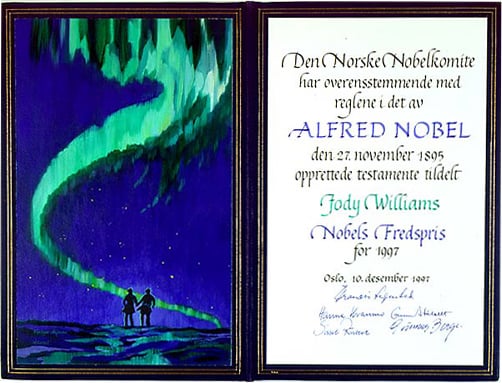
Copyright © The Nobel Foundation 1997
Artist: Eva Arnesen
Calligrapher: Inger Magnus
International Homepage of International Campaign to Ban Landmines (ICBL)
On Jody Williams from the PeaceJam Foundation
On Jody Williams from Nobel Women’s Initiative
Jody Williams: ‘A realistic vision for world peace’ from TED Talks
At the Nobel Centennial Symposia, held on 7 December 2001 in Oslo, Norway, Stephen Goose, International Campaign to Ban Landmines, delivered this speech.