Applying for jobs can be daunting, but there are simple ways for early-career scientists to ensure their applications stand out. Through the , Nobel Laureates…

© Nobel Media. Photo: Alexander Mahmoud
Almost 50 years later, Chalfie visited Canada as part of the Nobel Prize Inspiration Initiative and shared his experiences with young scientists. It turns out that many of the reasons he had initially decided not to continue with research were based on misconceptions.
According to Chalfie his first experience with science ended badly because he was too afraid to ask for help. The stories he’d heard about great scientists were of lone geniuses, who made their breakthroughs without the help of others. His conclusion was that, if he was cut out to be a scientist, he should be able to do his experiments entirely by himself.
“I felt that I had to do everything on my own, because asking for help was a sign that I was not intelligent enough,” Chalfie said. “I now see how destructive this attitude was, but then I assumed that this was what I had to do.”
Instead of asking questions and seeking guidance, he persevered on his own even when his experiments were repeatedly failing. Inevitably, his first research project didn’t lead to any results. “I tried doing experiments all summer, but nothing worked,” he said. “I did not enjoy failing and decided that a career in science was not for me.”
He instead went on to teach in a high school where he enjoyed interacting with students. It also meant that his summers were free and, when a fellow teacher introduced him to her friend at Yale Medical School, he found himself back in the lab. This summer job proved to be a revelatory experience. He set up his experiments with help from two other scientists, and this time they worked. Buoyed by his success, Chalfie gave up teaching and took up a full-time position in the lab.
However, this was by no means the end of his failed experiments. He has continued to experience disappointment throughout his time in the lab, though his attitude to failure has completely reversed. For him, anyone who strives for major discoveries will experience a lot of failures. And these failures aren’t just inevitable, they are important. They can take you in new directions, and reveal insights you weren’t expecting.
To illustrate this point, Chalfie tells the story of his co-laureate Osamu Shimomura. Shimomura was studying how organisms emit light, which they do using a variety of different mechanisms. However, he had great trouble in finding the mechanism used by a particular jellyfish species to produce a beautiful ring of green light. He tried repeatedly to extract the substance causing this green glow, but failed again and again. His extract simply didn’t light up.
He spent his days and nights thinking about what he was missing, sometimes going out in a rowing boat so he could think without being disturbed. In the end the answer appeared by accident. One night when he poured the extract away, the sink lit up with a bright blue flash. Seawater from an aquarium overflow was running into the sink – he realised that the seawater had caused the luminescence. Because the composition of seawater is well known, he easily discovered that the luminescence was activated by calcium ions. He was able to purify the protein which is responsible for the light, and it became the first calcium indicator.
However, one mystery still remained. The jellyfish produced green light, yet Shimomura’s sink had glowed blue. He continued with his experiments and found a second protein which converts the blue light into green. We now call this green fluorescent protein, and it is one of the most important tools in biological research. Researchers use it to watch processes that were previously invisible, such as the development of nerve cells or the ways which cancer cells spread. It is this protein, GFP, which gained Chalfie and Shimomura the Nobel Prize, along with co-laureate, Roger Tsien.
Shimomura’s story is a complete contradiction of Chalfie’s early assumptions about how science works. He had believed that scientists were always purposeful in their experiments and knew where they were going. The reality, he discovered, is that many discoveries are accidental, and often come before the hypotheses. The important step comes next – recognising the significance of those discoveries and deciding what to do with them.
These videos were filmed at a Nobel Prize Inspiration Initiative event in Canada, delivered in partnership with AstraZeneca.
First published in November 2019
Applying for jobs can be daunting, but there are simple ways for early-career scientists to ensure their applications stand out. Through the , Nobel Laureates…
© Nobel Media. Photo: Alexander Mahmoud
Early-career scientists face difficult decisions when building their career in research, and indeed about whether a career in research is right for them at all.…

© Nobel Media. Photo: A. Mahmoud.
Hard work has been part of every laureate’s journey towards the Nobel Prize. Françoise Barré-Sinoussi spent time in the lab on the morning of her…
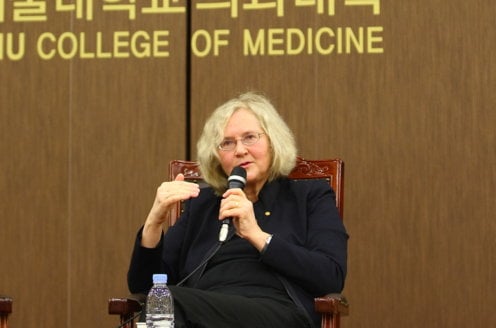
Elizabeth Blackburn speaks at a Nobel Prize Inspiration Initiative event

John B. Gurdon’s page at Gurdon Institute
Video
Video interview with Sir John Gurdon from University of Cambridge. In the interview John Gurdon talks about the research that revolutionised a field, his hopes for the future, and that now legendary school report.
Video kindly provided by University of Cambridge.
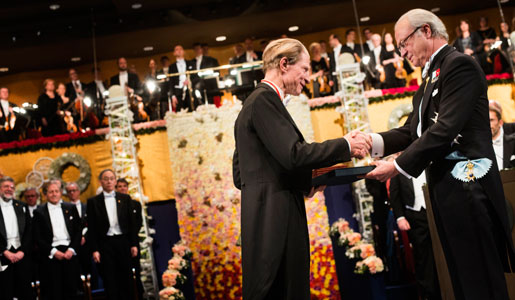
Sir John B. Gurdon receiving his Nobel Prize from His Majesty King Carl XVI Gustaf of Sweden at the Stockholm Concert Hall, 10 December 2012.
Copyright © Nobel Media AB 2012
Photo: Alexander Mahmoud

Sir John B. Gurdon after receiving his Nobel Prize at the Stockholm Concert Hall, 10 December 2012.
Copyright © Nobel Media AB 2012
Photo: Alexander Mahmoud
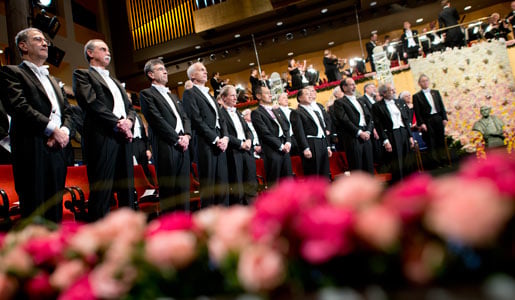
All 2012 Nobel Laureates on stage at the Nobel Prize Award Ceremony on 10 December 2012. From left: Physics Laureates Serge Haroche and David J. Wineland, Chemistry Laureates Robert J. Lefkowitz and Brian K. Kobilka, Medicine Laureates Sir John B. Gurdon and Shinya Yamanaka, Literature Laureate Mo Yan and Laureates in Economic Sciences Alvin E. Roth and Lloyd S. Shapley.
© Nobel Media AB 2012. Photo: Alexander Mahmoud
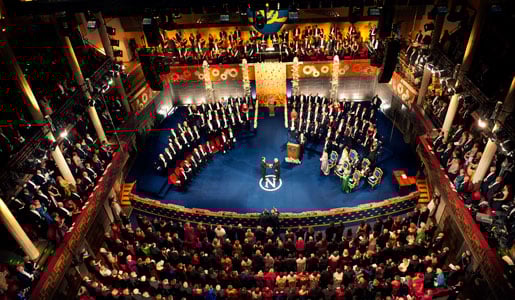
A bird's eye picture of the Nobel Prize Award Ceremony in the Stockholm Concert Hall on 10 December 2012.
© Nobel Media AB 2012. Photo: Alexander Mahmoud
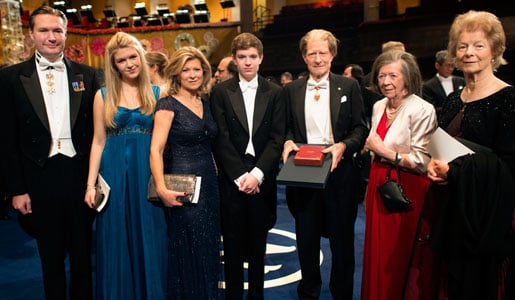
Sir John B. Gurdon with family and relatives on stage after the Nobel Prize Award Ceremony at the Stockholm Concert Hall, 10 December 2012. From left: Edward Connolly, Serena Connolly, Aurea Connolly, Oliver Connolly, Sir John B. Gurdon, Lady Jean Gurdon and Caroline Thompson.
© Nobel Media AB 2012. Photo: Alexander Mahmoud
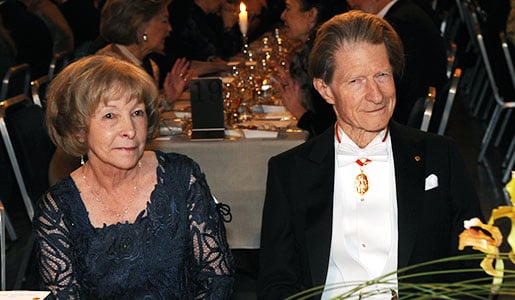
Sir John B. Gurdon and Mrs Sedna Quimby Wineland, wife of Physics Laureate David J. Wineland, at the Nobel Banquet, 10 December 2012.
Copyright © The Nobel Foundation 2012
Photo: Orasisfoto

Sir John B. Gurdon delivering his banquet speech.
© Nobel Media AB 2012. Photo: Helena Paulin-Strömberg
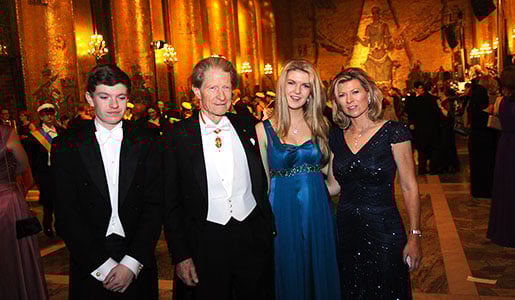
Sir John B. Gurdon with relatives in the Golden Hall. From left: Oliver Connolly, Sir John B. Gurdon, Serena Connolly and Aurea Connolly.
Copyright © The Nobel Foundation 2012
Photo: Orasisfoto
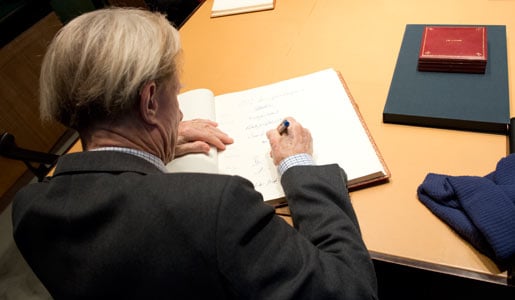
Sir John B. Gurdon visits the Nobel Foundation on 12 December 2012 and signs the guest book. On this occasion, the Laureates retrieve the Nobel diploma and Medal, which have been displayed in the Golden Hall of the City Hall following the Nobel Prize Award Ceremony. The Laureates also discuss the details concerning the transfer of their prize money.
Copyright © Nobel Media AB 2012
Photo: Niklas Elmehed
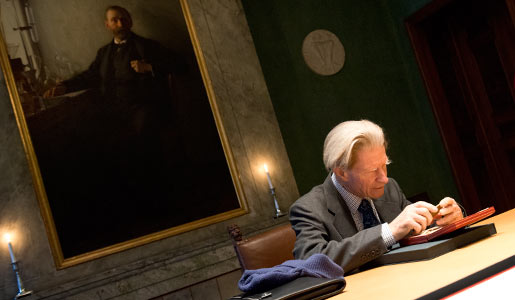
Sir John B. Gurdon takes a closer look at his Nobel Medal at the visit to the Nobel Foundation on 12 December 2012.
Copyright © Nobel Media AB 2012
Photo: Niklas Elmehed
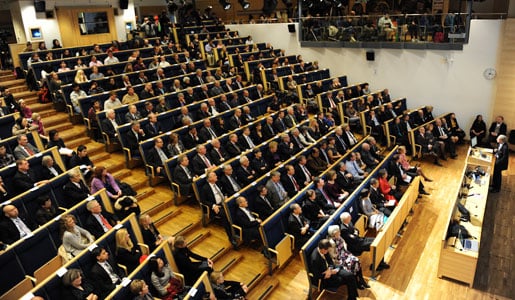
Sir John B. Gurdon delivering his Nobel Lecture The Egg and the Nucleus: A Battle for Supremacy in the Jacob Berzelius Lecture Hall at Karolinska Institutet, 7 December 2012.
Copyright © The Nobel Foundation 2012
Photo: Orasisfoto
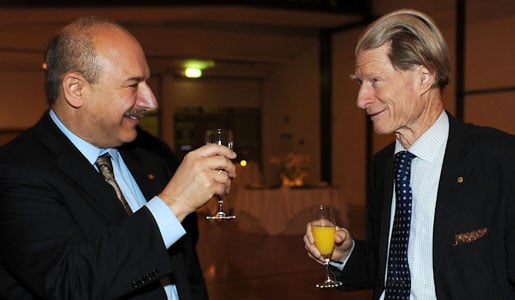
Sir John B. Gurdon (right) is greeted by Bruce A. Beutler, 2011 Nobel Laureate in Physiology or Medicine (left), at a reception at Karolinska Institutet, 7 December 2012.
Copyright © The Nobel Foundation 2012
Photo: Orasisfoto
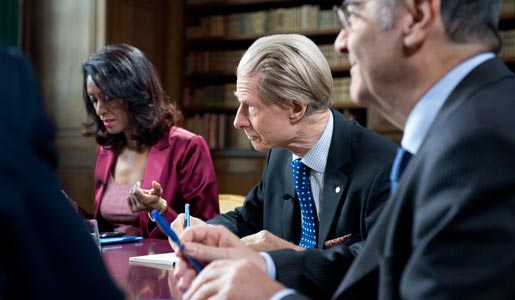
Sir John B. Gurdon at the recording of the TV-program 'Nobel Minds' in the Bernadotte Library at the Royal Palace, 7 December 2012.
Copyright © Nobel Media AB 2012
Photo: Niklas Elmehed

Recording of the TV-program 'Nobel Minds', hosted by Zeinab Badawi, BBC World News, in the Bernadotte Library at the Royal Palace, 7 December 2012.
Copyright © Nobel Media AB 2012
Photo: Niklas Elmehed
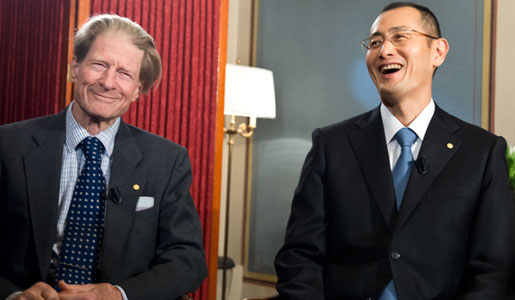
Sir John B. Gurdon (left) and Shinya Yamanaka (right) during their interview with Nobelprize.org on 6 December 2012.
Copyright © Nobel Media AB 2012
Photo: Niklas Elmehed
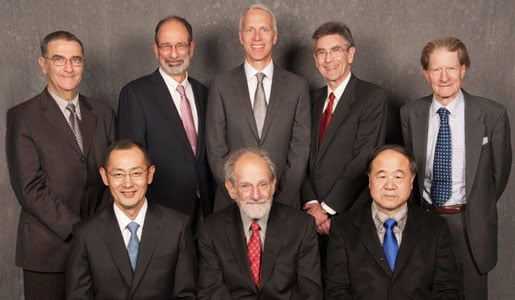
The 2012 Nobel Laureates assembled for a group photo during their visit to the Nobel Museum in Stockholm, 6 December 2012. Back row, left to right: Nobel Laureate in Physics Serge Haroche, Laureate in Economic Sciences Alvin E. Roth, Nobel Laureates in Chemistry Brian K. Kobilka and Robert J. Lefkowitz, and Nobel Laureate in Physiology or Medicine Sir John B. Gurdon. Front row, left to right: Nobel Laureate in Physiology or Medicine Shinya Yamanaka, Laureate in Economic Sciences Lloyd S. Shapley and Nobel Laureate in Literature Mo Yan. Not in photo: Nobel Laureate in Physics David J. Wineland.
Copyright © The Nobel Foundation 2012
Photo: Orasisfoto
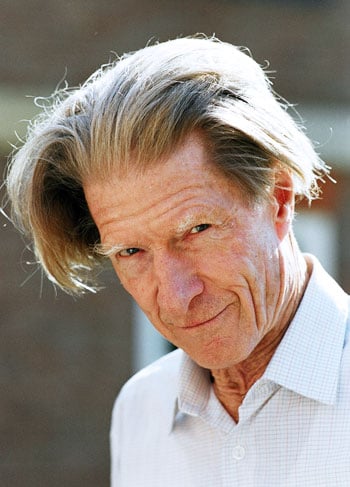
Portrait of Sir John B. Gurdon.
Photo: John Overton, Brown Group, Gurdon Institute Kindly provided by Gurdon Institute
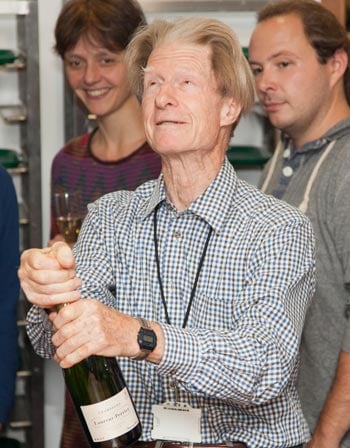
Sir John B. Gurdon celebrating the Nobel Prize in Physiology or Medicine.
Photo: Peter Williamson, Gurdon Institute Kindly provided by Gurdon Institute
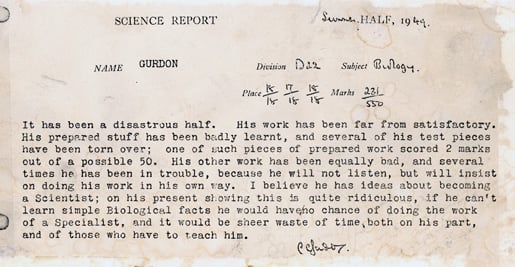
Sir John B. Gurdon's science report card from Eton College, 1949.
Photo: Sir John B. Gurdon Kindly provided by Gurdon Institute
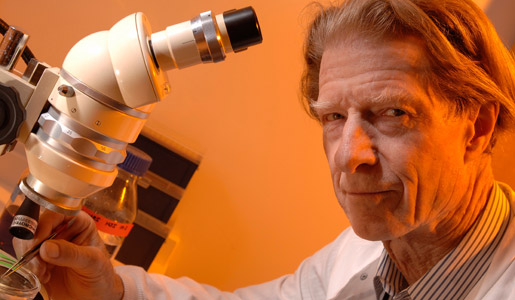
Sir John B. Gurdon in his laboratory.
Photo: Wellcome Library, London Kindly provided by Wellcome Library
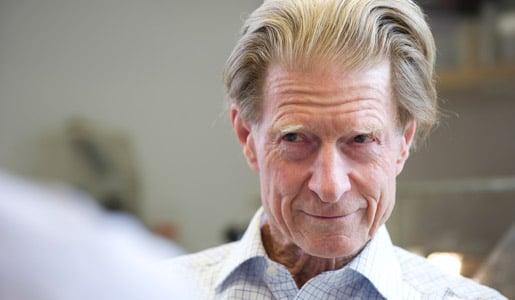
Portrait of Sir John B. Gurdon.
Photo: Wellcome Library, London Kindly provided by Wellcome Library
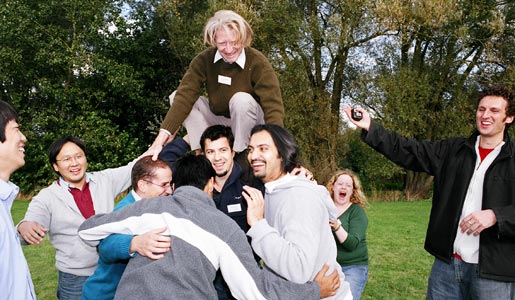
Sir John B. Gurdon and colleagues at the Gurdon Institute's annual retreat.
Photo: John Overton, Brown Group, Gurdon Institute Kindly provided by Gurdon Institute
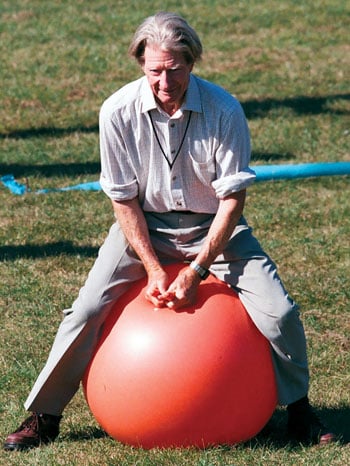
Sir John B. Gurdon on a kangaroo ball, investigating what it actually does feel like to be a frog.
Photo: John Overton, Brown Group, Gurdon Institute Kindly provided by Gurdon Institute

Sir John B. Gurdon in his laboratory.
Photo: University of Cambridge, Gurdon Institute Kindly provided by Gurdon Institute
Sir John B. Gurdon delivered his Nobel Lecture on 7 December 2012 at Karolinska Institutet in Stockholm. He was introduced by Professor Urban Lendahl, Chairman of the Nobel Committee for Physiology or Medicine.
The Egg and the Nucleus: A Battle for Supremacy: Lecture Slides
Pdf 5.51 MB
Read the Nobel Lecture
Pdf 18.34 MB
Sir John B. Gurdon’s speech at the Nobel Banquet in the Stockholm City Hall, 10 December 2012.
Your Majesties, your Royal Highnesses, ladies and gentlemen; on behalf of Shinya Yamanaka and myself, may I express our profound gratitude to the Karolinska Institutet and to the Nobel Foundation for this pre-eminent honour bestowed on us at this time.
Shinya Yamanaka and I must be more different than any other previous co-recipients of the Physiology or Medicine award. Shinya Yamanaka was born in the year of my main finding, and we have never worked together or on the same material; yet we share our great wish that our contributions may help to alleviate human suffering in a similar way.
For my part I have worked all my life with eggs and embryos of frogs. Compared to other small animals, these have figured prominently in the world of literature. They served as a chorus in a play by Aristophanes, The Frogs, which won first prize when first performed in 405 BC. A.A. Milne’s Toad of Toad Hall was a very benign Lord of the Manor in his river community. Hilaire Belloc wrote,
“Be kind and tender to the frog,
and do not call him names.
A shiny skin, a Polly‐wog,
or Gape‐a‐grin, a toad gone wrong,
The frog is justly sensitive
to epithets like these.
No animal will more repay
A treatment kind and fair.”
I myself have been a major beneficiary of the view that no animal will more repay treatment that is kind and fair.
Shinya Yamanaka’s work has involved mice and human cells, and advances the prospect of providing new cells or body parts for patients. This concept goes back in history for a long time. The earliest example known to me, of replaced body parts, is exemplified by a Mayan skull, dating back to 1400 BC. In this skull, false teeth made of stone, had been implanted. This was not just to improve appearance in the presumed after-life. The reaction of the jaw-bone showed that the false teeth had been hammered in in life. (Perhaps, at that time, an extract of the coca tree, of South America, now used by dentists as novocaine, had already been discovered.)
Although body part replacement is not a new concept, the practice of reversing the process of cell differentiation to an embryonic state to form new cells of different kinds has become a realistic prospect during the last half century. This raises the possibility of giving people new cells of their own genetic kind, and hence, without immunosuppression, to replace cells worn out by age or disease, a hope of the new field of regenerative medicine.
Starting in my case with no therapeutic benefit in sight, we are truly grateful to our immediate families and close colleagues, Ron Laskey for me and Kazutoshi Takahashi for Shinya Yamanaka, for their selfless co-operation and support.
We thank our hosts immensely for this truly unique experience provided by a spectacular week, and also for this magnificent banquet.
Watch a video clip of the 2012 Nobel Laureate in Physiology or Medicine, Sir John B. Gurdon, receiving his Nobel Prize medal and diploma during the Nobel Prize Award Ceremony at the Concert Hall in Stockholm, Sweden, on 10 December 2012.
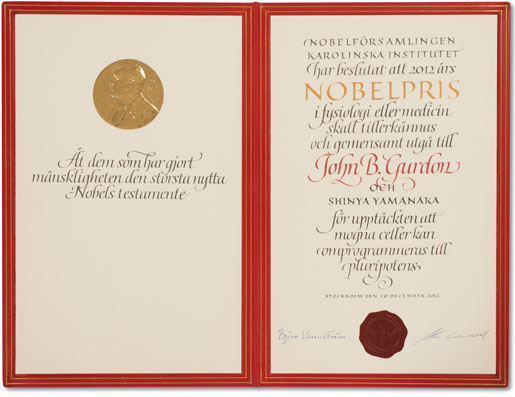
Copyright © The Nobel Foundation 2012
Calligrapher: Susan Duvnäs
Book binder: Ingemar Dackéus
Photo reproduction: Lovisa Engblom
Center for iPS cell Research and Application (CiRA) at Kyoto University
Shinya Yamanaka’s page at Gladstone Institute
UCSF Profiles: Shinya Yamanaka
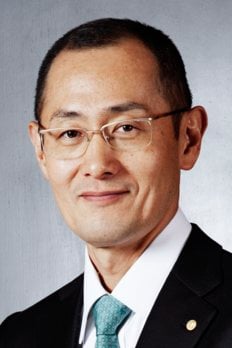
I was born on September 4, 1962, in Osaka, Japan. My father, Shozaburo, ran a small factory in the city of Higashi-Osaka manufacturing components for sawing machines, which he took over in his early 20s after my grandfather passed away. Higashi-Osaka is well known for its cluster of highly skilled small and midsize manufacturers. Like other owners of small companies in the area, my father was an engineer who designed new products and made them by himself. My mother, Minako, helped him run the business, raising their two children, me and my older sister, Yumiko. Looking back on my childhood, I can see now that my father exerted a great influence on me. He did not force me to do or be anything, but, by showing diligence in his work, he taught me silently how meaningful it is to create something from the drawing board, and how interesting it is to seek for oneself a better way of achieving a goal.
SCHOOL DAYS
I remember that when I was a child, I found it very exciting to dismantle clocks and radios into small pieces and then try to assemble them again, though most of the time I ended up breaking them. Maybe I just copied what my father was doing. My childhood dream was to become an engineer like him. Science was one of my favorite classes at school. I liked reading a monthly scientific magazine for elementary school children. This magazine came with various kits for children to do experiments. I remember one time I was doing an experiment with an alcohol lamp that came with the magazine. It dropped onto a kotatsu heater table and the quilt over it caught fire. I was severely scolded by my mother.
I was educated at the Tennoji Junior High School/High School attached to Osaka Kyoiku University and received an excellent education, with many unique friends and teachers. Entering the junior high in 1975, I joined its judo team as my father recommended me. He thought I was too skinny and should become stronger. I devoted myself to judo and continued practicing it for several years until I quit it due to a serious injury in my second year at college. At the high school, there were some teachers who often told students that we should try to become a superman or superwoman, meaning that we should not only study hard but also try to experience many activities such as sports and activities in the student association. Inspired by them, I formed a folk song band with my classmates, called “Karesansui” (‘Dry Garden Style’), and performed at the school’s student festivals. I played the guitar and was a vocalist. I also committed to the school association as a vice president.
Throughout my school years, I was good at mathematics and physics. Thinking about my career, I considered studying basic sciences in college but decided to go to medical school, partly because my father used to advise me to become a physician instead of taking over his business. I don’t know why that was his wish, but he may have thought that I was not cut out for business or may have wanted me to have a job more stable than running a small business that is easily affected by the economic climate. A book also pushed me to become a medical doctor. I was deeply inspired by Torao Tokuda, a physician who founded a hospital group in the 1970s that tried to revolutionize the Japanese medical care system. In 1981, I succeeded in my ambition of being accepted at Kobe University’s School of Medicine. There again, I enjoyed playing judo and rugby, and suffered many broken bones while doing sports. In addition, I often suffered from severe pain in my legs due to over-training. These experiences made me interested in sports medicine and I decided to become an orthopedic surgeon.
RESIDENT AT A HOSPITAL
After receiving an M.D. from Kobe University in 1987, I served as a resident at the Osaka National Hospital for two years. During this period, two major events happened to me. I married Chika, whom I first met as a classmate at junior high school. She became a dermatologist and now runs a clinic in Osaka. The other unforgettable event was my father’s death. He had long suffered from diabetes and also had hepatitis caused by a blood transfusion he had received a few years earlier to treat an injury. During his last two years, as a medical student and resident I gave him injections and administered intravenous drips, and he seemed happy to receive such treatments from his son.
Working at the hospital, I found that my surgical skills were not as good as I expected. One time it took me two hours to do a surgical operation which could have been completed in 30 minutes by other surgeons. My supervisors were very tough on new residents like me, and I lost confidence in my ability. In addition, treating many patients with intractable diseases and injuries such as rheumatoid arthritis and spinal cord injury, I realized that there were many diseases that even talented surgeons and physicians cannot cure. Even now, I recall clearly one female patient who had severe rheumatoid arthritis. There was a photograph of a cheerful woman on her bedside cabinet. I though it must be her sister or something. Learning that it was herself only a few years back, I was shocked that the patient looked totally different because of the disease. Painful and unforgettable bedside experiences finally drove me to switch my goal from becoming a surgeon who would help free patients from pain to becoming a basic scientist who would eradicate those intractable diseases by finding out their mechanisms and ultimately a way of curing them.
FROM SURGEON TO SCIENTIST
As the first step toward my new goal, I became a Ph.D. student in pharmacology at Osaka City University Graduate School of Medicine in 1989, working in Kenjiro Yamamoto’s laboratory. During the next four years, I learned the essentials about how to design and conduct experiments and analyze data from my direct mentor, Katsuyuki Miura. The first instruction he gave me was to read as many papers as possible to help me think about a research theme. A few months later he assigned me to perform an experiment to study the role of a blood lipid named platelet-activating factor in lowering blood pressure in dogs. Miura’s hypothesis was that administering an inhibitor of another lipid, thromboxane A2, which is activated by platelet-activating factor, would prevent the blood pressure from going down. But my experiment showed a completely opposite result. I was so excited with the unexpected outcome that I became totally fascinated by basic science. Miura was also enthusiastic about the findings even though they were against his hypothesis. This study later became my Ph.D. dissertation, published in Circulation Research in 1993. There was an eye-opening moment when Miura told me that scientists have to compete with researchers around the world. When I was a resident, my rivals were other residents at the same hospital. As a scientist, I could win global recognition in a scientific field, albeit a small one, if my findings were published in high-profile journals. His words made me pay keen attention to research abroad.
POSTDOCTORAL FELLOW AT GLADSTONE
At the time, I was astonished by mouse transgenesis and gene targeting, which specifically induce or delete a single gene of interest, because no pharmacological agents could perform such miracles. After finishing my Ph.D. work in 1993, I applied for as many postdoctoral positions as I could in labs doing mouse molecular genetics because I wanted to obtain postdoctoral training and further skills including techniques to make knockout mice. However, it was very natural that a failed surgeon with little experience in molecular biology had a hard time finding a position. A turning point came when I got a fax from Thomas Innerarity at the Gladstone Institute of Cardiovascular Diseases in San Francisco. After a short telephone conversation, Tom was brave enough to give me a postdoctoral position in his lab! Working at Gladstone was one of the best decisions I ever made in my life. Gladstone provided an almost perfect environment for an ambitious new researcher like me thanks to its skillful technicians and the provocative discussions about science I had with enthusiastic colleagues.
When I joined Tom’s lab, he had a hypothesis that forced expression in the liver of APOBEC1, the ApoB messenger RNA-editing enzyme, would lower plasma cholesterol levels and thus prevent atherosclerosis. To examine this hypothesis, I generated transgenic mice overexpressing Apobec1 in their livers. To our surprise, however, the transgenic mice developed liver tumors. We learned that Apobec1 is a potent protooncogene. Naturally, Tom was disappointed, but I became very interested in the molecular mechanisms of this totally unexpected result. Tom, despite the finding being against his hypothesis, encouraged me to continue studying the APOBEC1-mediated oncogenesis. Thanks to his support, I identified a novel target of Apobec1, Nat1, which was aberrantly edited in the transgenic mouse livers. I decided to generate Nat1-knockout mice to study the gene’s function. Robert Farese at Gladstone and his research associate Heather Myers kindly taught me how to culture mouse embryonic stem (ES) cells and make chimeras.
Gladstone also provided me with the opportunity to acquire presentation skills and to learn a key idea for success as a scientist. One day, Robert Mahley, the then president of Gladstone, gathered about 20 postdocs and said that “VW” was a magic word to make us successful scientists. What he meant was that scientists need to have a clear vision and work hard toward it. I found myself not having a clear vision, although I was confident that I was one of the most hard-working postdocs at Gladstone at the time. I have since set my vision as being “to contribute to the development of new cures for patients through basic research.” I still have the “VW” lesson in mind and often quote it to my students in my lab.
In 1996, my wife Chika and our two daughters, Mika and Miki, who were living in San Francisco with me, returned to Japan to enroll Mika in an elementary school in Osaka. About six months after they left, I went back to Japan as I missed them so much. Back in my home country, I eventually got an assistant professor position in the department of pharmacology at Osaka City University Medical School. Tom kindly let me continue the Nat1 work and shipped three chimeric mice I had made to Japan. The then chairman of the department, Hiroshi Iwao, was very supportive and allowed me to work on Nat1, which seemed to have little value in pharmacology. I found that Nat1 is required for early mouse development. More importantly, I found that Nat1-null embryonic stem (ES) cells proliferate normally but cannot properly differentiate. These surprising findings changed the meaning of mouse ES cells for me from a research tool to a research subject. I became intrigued in how ES cells maintain their differentiation ability while rapidly proliferating.
POST AMERICA DEPRESSION
In Japan, however, I found myself suffering from Post America Depression or PAD. The environment for researchers in Japan was quite different in many ways from that in the U.S. At the medical school, very few scientists showed interest in the basic biology of mouse ES cells, and there was little thought-provoking discussion with my colleagues. Some of my colleagues advised me to work on something more related to medicine. Furthermore, I could not get enough funding and had to change the cages of the numerous mice by myself every week. What was worse, the Nat1 work was being rejected by many journals. I felt lonely and depressed, and I was about to give up my career as a scientist and return to the path of physician.
Fortunately, two events rescued me from PAD and from giving up on science. First, James Thomson of the University of Wisconsin-Madison and his colleagues announced that they had succeeded in generating human ES cells in 1998. His success taught me that ES cells have enormous potential in medicine and encouraged me to continue my research. Second, in December 1999, I got a new position as an associate professor with my own laboratory for the first time in my career at the Nara Institute of Science and Technology (NAIST ) in Nara Prefecture. This institute has brilliant investigators in basic and applied sciences, an excellent research environment and competent Ph.D. students. I was fortunate that several talented colleagues and students joined my laboratory.
RESEARCH AT NAIST
At NAIST, I was expected to establish a knockout mouse core facility. It was a difficult task, but thanks to an excellent technician, Tomoko Ichisaka, and to funding from NAIST, we were able to establish it within a few years. The first gene that we knocked out was Fbxo15, which we identified as a gene specifically expressed in mouse ES cells. One of my first Ph.D. students, Yoshimi Tokuzawa, with the help of Tomoko, successfully targeted the gene. However, we did not see any phenotypes in mice or ES cells lacking Fbxo15. We were disappointed, but this knockout mouse line turned out later to be useful in the generation of induced pluripotent stem cells or iPS cells.
As a principal investigator, I needed to set a long-term goal for my laboratory. Because of my interest in ES cells, because of the successful generation of human ES cells and because I had to use ES cells anyway in the knockout mouse core facility, I decided to list “ES cells” in the title of my lab website. At the time, most researchers focused on differentiating from ES cells into somatic cells. Human ES cells are associated with two major hurdles – ethical issues regarding the use of human embryos and immune rejection after they are transplanted into a human body. The use of human embryos has been an obstacle to the promotion of ES cell research in many countries, including the U.S. and Japan. To overcome these major hurdles, I decided nuclear reprogramming would be the goal of my lab. More precisely, I set my lab’s goal as being to generate ES cell-like pluripotent cells from somatic cells, without using embryos.
Nuclear reprogramming was first proved by Sir John Gurdon in 1962, the year I was born. He reported the generation of new frogs by transferring tadpole intestine cell nuclei into enucleated eggs from the African clawed toad, Xenopuslaevis. Then, in 1997, Sir Ian Wilmut’s team unveiled Dolly the sheep, the first cloned mammal created using a nuclear transfer method. These achievements showed that the genome DNA of mature cells theoretically have all the information needed to develop animals. A further advance came in a 2001 report by Takashi Tada of Kyoto University, who demonstrated that thymocytes acquire pluripotency upon electrofusion with mouse ES cells, which indicated that ES cells also contain factors that induce pluripotency in somatic cells. However, I knew that making pluripotent cells from somatic cells would be extremely difficult, and when I started this project with my lab members at NAIST, I was not sure if the goal could be achieved in my lifetime.
My initial hypothesis was that factors that maintain the pluripotency of mouse ES cells might induce pluripotency in somatic cells. With the great help of the initial members of my lab – Tomoko, Yoshimi, and two other students, Kazutoshi Takahashi and Eiko Kaiho, and then Assistant Professor Kaoru Mitsui, my lab identified many factors that either are specifically expressed by or have important roles in mouse ES cells. Among them was the transcription factor Klf4, identified by Yoshimi. By 2004, with our own work and that of other groups, we had collected 24 initial candidate genes that might be able to induce pluripotency in somatic cells. We then needed a simple and sensitive assay system to evaluate these candidates, and the Fbxo15-knockout mice turned out to be such a system. Instead of simply deleting the gene, we knocked the neomycin resistant gene (neoR) into the Fbxo15 locus. Somatic cells derived from these mice do not express neoR and are sensitive to the antibiotic G418. Somatic cells that become ES cell–like pluripotent cells after transfection with some of our candidate genes should express neoR and become resistant to G418.
THE DISCOVERY OF IPS CELLS
In 2004, I moved to the Institute of Frontier Medical Sciences at Kyoto University as a professor. The major reason for the change was that I wanted to conduct experiments using human ES cells. NAIST did not have a medical school and a hospital attached, and therefore had no institutional review board to examine a study plan using human ES cells. At that time, Kyoto University was the only institute in Japan that had succeeded in culturing human ES cells. I came to Kyoto with the 24 candidate genes, the Fbxo15-neoR knock-in mice and many members of my lab, including Tomoko and Kazutoshi. I asked Kazutoshi to test the 24 candidates using the Fbxo15 knock-in mice. He was pleased to take over this very risky project and did a remarkable job. When Kazutoshi introduced each candidate into the Fbxo15-neoR reporter fibroblasts using retroviral vectors, no G418-resistant colonies emerged. However, when he introduced the mixture of all 24 genes via retroviral vectors, we observed several drug-resistant colonies in a Petri dish. These cells were similar to ES cells in morphology, proliferation and gene expression. When transplanted into nude mice, they formed teratomas containing a variety of tissues from all three germ layers, showing their pluripotency. Among the myriad combinations of the 24 factors, Kazutoshi found that four transcription factors – Oct3/4, Sox2, Klf4 and c-Myc – are essential.
In 2005, we succeeded in generating ES-like cells with the four factors, and I named the resulting cells “induced pluripotent stem cells or iPS cells.” I was anxious about whether they were really the pluripotent cells that we were looking for because the method used to generate the iPS cells was much simpler than I had expected. In addition, after hearing about a big scandal involving a Korean researcher who falsely reported the successful generation of human ES cells by cloning at around that time, I thought we should repeat our experiments to make sure of the result so that no researcher could cast doubt on our findings. In 2006, we published a paper in Cell on the successful generation of mouse iPS cells using the four factors. Some researchers seemed surprised at the finding that only four genes are needed to reprogram somatic cells into the embryonic state. But in the following months, a few labs at MIT and Harvard demonstrated that they had been able to produce mouse iPS cells using our protocol, and an increasing number of researchers have since started working on the new technology.
Right after we generated mouse iPS cells, my team began to work on reprogramming human somatic cells. In November 2007, we reported the generation of human iPS cells from human fibroblasts by introducing the same quartet of genes via viral vectors. On the same day, Thomson’s lab announced in Science that they had also succeeded in making human iPS cells using a different set of four factors – Nanog, Lin28, Oct3/4 and Sox2. I remember that I worked day and night to publish our paper as quickly as possible after I heard a rumor in the summer that a U.S. group had submitted an article on the successful generation of human iPS cells. My lab members continued to improve the induction and selection methods. Keisuke Okita, with the help of Tomoko, succeeded in making iPS cells that are competent for production of adult chimeras and germline transmission. Masato Nakagawa and Michiyo Koyanagi then showed that iPS cells can be generated without c-Myc, an oncogene. Takashi Aoi showed that iPS cells can be generated not only from fibroblasts but also from adult mouse hepatocytes and gastric epithelial cells.
With the ability to differentiate into virtually all types of cell and to grow robustly like ES cells, iPS cells have enormous potential for pharmaceutical and clinical applications. Patient-specific iPS cells can be used to produce disease model cells in which the pathological process can be studied. Thousands of chemicals and natural products can be tested on such cells, some of which we hope will become new effective medicines for intractable diseases.
CENTER FOR IPS CELL RESEARCH AND APPLICATION
The Ministry of Education, Sports, Science and Technology of Japan has since supported iPS cell research in cooperation with other government agencies by providing sufficient funding. Encouraged by this support, in January 2008, about two months after we reported the generation of the human iPS cells, Kyoto University founded the Center for iPS Cell Research and Applications (CiRA), the world’s first organization solely focusing on iPS cell technology, under the auspices of the Institute for Integrated Cell-Material Sciences (iCeMS). I was appointed as the Director of CiRA. I had given up my career as a physician, but I had found a powerful tool that could help develop new cures for disease. This center is designed not only to progress with basic research to improve fundamental iPS cell technology but also to use the technology in clinical applications. In April 2010, CiRA became independent of iCeMS as a full-fledged institute in a newly opened research building. At the inauguration ceremony for the new CiRA research building, I publicly pledged to achieve four goals over the first ten years:
CiRA’s Goals for the First 10 Years
1. Establish basic iPS cell technology and secure intellectual property.
2. Create an iPS cell stock for clinical use in regenerative medicine.
3. Conduct preclinical and clinical studies on such diseases as Parkinson’s disease, diabetes and blood diseases.
4. Contribute to the development of therapeutic drugs using patient-derived iPS cells.
Since the discovery of human iPS cells, I have seen iPS cell technology advancing at an amazing speed. Owing to its simple and reproducible method, numerous laboratories inside and outside Japan are now working on iPS cell research, and protocols have been developed for direct reprogramming, whereby somatic cells are directly converted into mature cells of a different type. My lab developed a method to generate safer iPS cells without integrating viral vectors into the cell genome, which was one of the major safety concerns. Now CiRA is promoting the iPS cell stock project, in which we make clinical-grade iPS cell lines from blood cells donated by healthy HLA-homozygous individuals. The iPS cell lines will be distributed to other institutes so that they can differentiate them into various types of cell for use in transplantation therapy. Scientists at CiRA have succeeded in recapitulating a number of abnormalities in the cells of patients with such diseases as amyotrophic lateral sclerosis (ALS) and chronic infantile neurologic cutaneous and articular (CINCA) syndrome, which I hope will contribute to development of new therapeutic drugs. I have a small laboratory at Gladstone since I was offered a senior investigator position in 2007 and the lab members are also working hard. Working for Gladstone is a great pleasure for me as it means I can make some contribution to the institute where I received excellent training as a young scientist.
Running CiRA with some 250 staff, I have come to spend less time discussing their data with my colleagues and students, and have been absorbed by my duties as the “chief executive officer” of CiRA, including devising strategies to advance both basic and applied research and to obtain sufficient funding. Anxious about the lack of financial resources for the future to allow us to continue hiring research support staffers, I even ran the full Kyoto Marathon in 2012 to raise online donations from the public. It was hard but helped us raise more than 10 million yen. Now I hope that receiving the Nobel Prize in Physiology or Medicine will consolidate long-term support from the government and the general public for iPS cell research nationwide.
THANK YOU FOR YOUR SUPPORT!
Looking back at my life, I have been very fortunate that I have encountered many talented students and colleagues who have supported and encouraged me on many occasions, including my lab members in the past and the present. In addition to my direct mentors, I also owe much not only to the great scientists who made breakthrough discoveries in biology but also to countless predecessors who have contributed to the development of nuclear reprogramming and stem cell biology. I am deeply thankful to my wife and our two daughters, who have supported my hectic life as a scientist for years. Finally I am grateful to my parents. I was glad that my mother was able to take part in the award ceremony of the 2012 Nobel Prize in Stockholm. My father wanted me to become a physician who helps a lot of patients. Although I gave up my career as a surgeon, I still hope to help people suffering from serious diseases and injuries. With iPS cell technology I will continue to work hard together with my colleagues to achieve this goal as quickly as possible.
This autobiography/biography was written at the time of the award and later published in the book series Les Prix Nobel/ Nobel Lectures/The Nobel Prizes. The information is sometimes updated with an addendum submitted by the Laureate.
Shinya Yamanaka receiving his Nobel Prize from His Majesty King Carl XVI Gustaf of Sweden at the Stockholm Concert Hall, 10 December 2012.
© Nobel Media AB 2012. Photo: Alex Ljungdahl
Shinya Yamanaka after receiving his Nobel Prize at the Stockholm Concert Hall, 10 December 2012.
Copyright © Nobel Media AB 2012
All 2012 Nobel Laureates on stage at the Nobel Prize Award Ceremony on 10 December 2012. From left: Physics Laureates Serge Haroche and David J. Wineland, Chemistry Laureates Robert J. Lefkowitz and Brian K. Kobilka, Medicine Laureates Sir John B. Gurdon and Shinya Yamanaka, Literature Laureate Mo Yan and Laureates in Economic Sciences Alvin E. Roth and Lloyd S. Shapley.
© Nobel Media AB 2012. Photo: Alexander Mahmoud
A bird's eye picture of the Nobel Prize Award Ceremony in the Stockholm Concert Hall on 10 December 2012.
© Nobel Media AB 2012. Photo: Alexander Mahmoud
Miki and Mika Yamanaka, daughters of Shinya Yamanaka, at the stage of the Concert Hall after the Nobel Prize Award Ceremony on 10 December 2012.
© Nobel Media AB 2012. Photo: Alexander Mahmoud
Swedish Princess Madeleine and Shinya Yamanaka arrive at the Nobel Banquet, 10 December 2012.
Copyright © The Nobel Foundation 2012
Swedish Princess Madeleine and Shinya Yamanaka at the Nobel Banquet.
Copyright © The Nobel Foundation 2012
Shinya Yamanaka visits the Nobel Foundation on 12 December 2012 and signs the guest book. On this occasion, the Laureates retrieve the Nobel diploma and Medal, which have been displayed in the Golden Hall of the City Hall following the Nobel Prize Award Ceremony. The Laureates also discuss the details concerning the transfer of their prize money.
Copyright © Nobel Media AB 2012
Shinya Yamanaka shows his Nobel Medal while visiting the Nobel Foundation on 12 December 2012.
Copyright © Nobel Media AB 2012
Shinya Yamanaka's daughters Miki and Mika and wife Chika Yamanaka admire the Nobel Medal at the Nobel Foundation on 12 December 2012.
Copyright © Nobel Media AB 2012
Shinya Yamanaka delivering his Nobel Lecture A Winding Road to Pluripotency in the Jacob Berzelius Lecture Hall at Karolinska Institutet, 7 December 2012.
Copyright © The Nobel Foundation 2012
Shinya Yamanaka with wife Chika and relatives at a reception at Karolinska Institutet, 7 December 2012.
Copyright © The Nobel Foundation 2012
Recording of the TV-program 'Nobel Minds', hosted by Zeinab Badawi, BBC World News, in the Bernadotte Library at the Royal Palace, 7 December 2012.
Copyright © Nobel Media AB 2012
Sir John B. Gurdon (left) and Shinya Yamanaka (right) during their interview with Nobelprize.org on 6 December 2012.
Copyright © Nobel Media AB 2012
The 2012 Nobel Laureates assembled for a group photo during their visit to the Nobel Museum in Stockholm, 6 December 2012. Back row, left to right: Nobel Laureate in Physics Serge Haroche, Laureate in Economic Sciences Alvin E. Roth, Nobel Laureates in Chemistry Brian K. Kobilka and Robert J. Lefkowitz, and Nobel Laureate in Physiology or Medicine Sir John B. Gurdon. Front row, left to right: Nobel Laureate in Physiology or Medicine Shinya Yamanaka, Laureate in Economic Sciences Lloyd S. Shapley and Nobel Laureate in Literature Mo Yan. Not in photo: Nobel Laureate in Physics David J. Wineland.
Copyright © The Nobel Foundation 2012
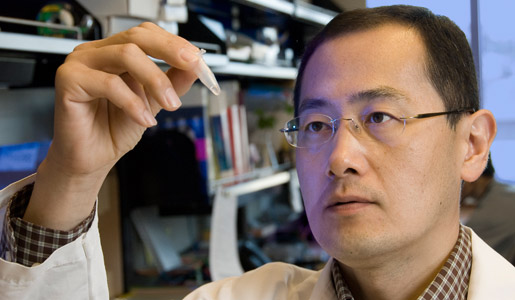
Portrait of Shinya Yamanaka.
Photo: Gladstone Institutes/Chris Goodfellow
Kindly provided by Gladstone Institutes
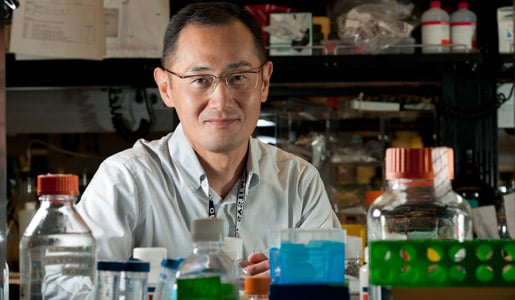
Shinya Yamanaka in his laboratory.
Photo: Gladstone Institutes/Chris Goodfellow
Kindly provided by Gladstone Institutes
Shinya Yamanaka finishing the Kyoto Marathon on 11 March 2012.
Copyright © Center for iPS Cell Research and Application (CiRA), Kyoto University
Kindly provided by Kyoto University
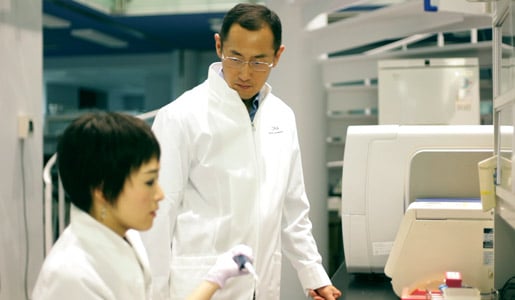
Shinya Yamanaka guiding technical staff at the Open Lab at 4th floor of the CiRA building, Kyoto, in September 2011.
Copyright © Center for iPS Cell Research and Application (CiRA), Kyoto University
Kindly provided by Kyoto University
Shinya Yamanaka playing rugby at Kobe University.
Copyright © Center for iPS Cell Research and Application (CiRA), Kyoto University
Kindly provided by Kyoto University
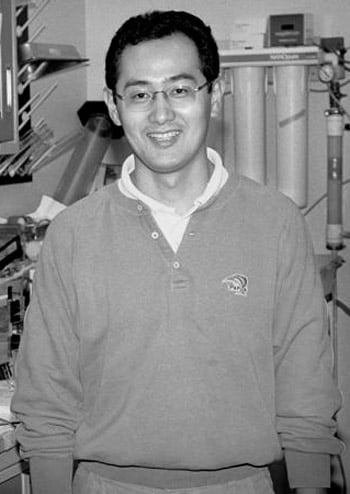
Portrait of Shinya Yamanaka from his postdoc time at Gladstone Institutes, US.
Copyright © Center for iPS Cell Research and Application (CiRA), Kyoto University
Kindly provided by Kyoto University
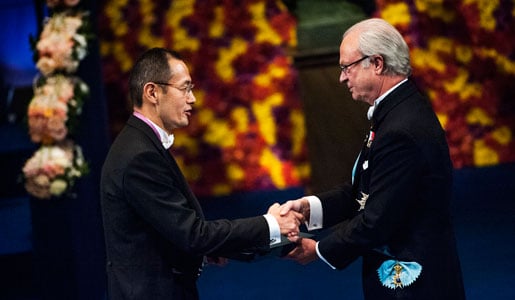
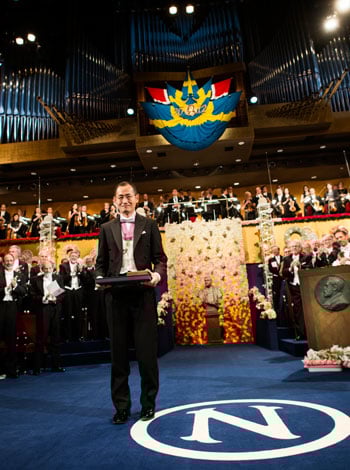
Photo: Alexander Mahmoud
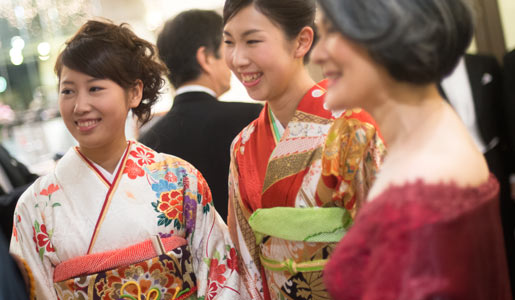

Photo: Orasisfoto
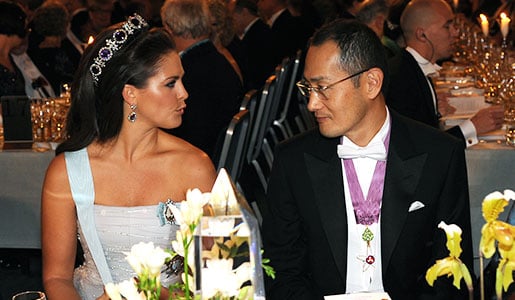
Photo: Orasisfoto
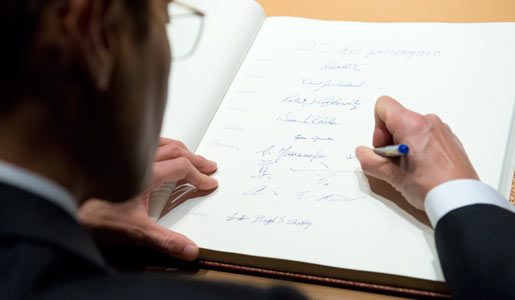
Photo: Niklas Elmehed

Photo: Niklas Elmehed
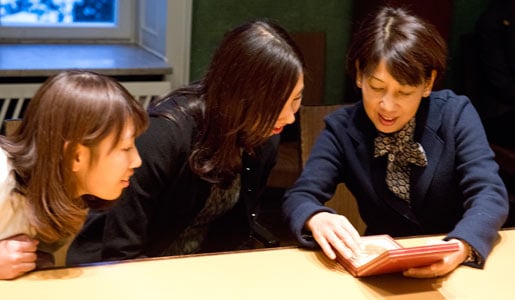
Photo: Niklas Elmehed
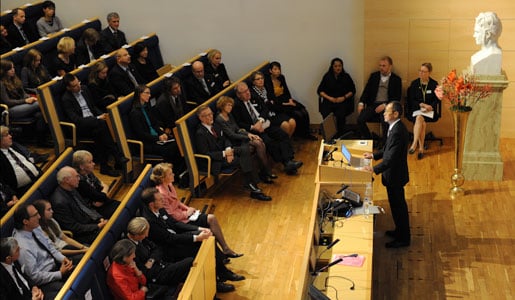
Photo: Orasisfoto
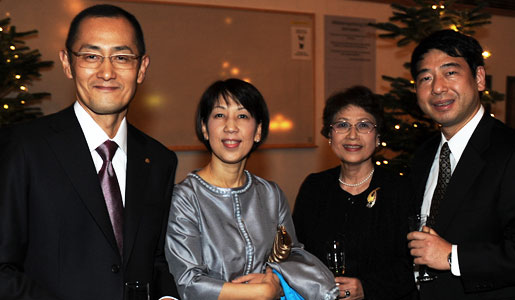
Photo: Orasisfoto
Photo: Niklas Elmehed
Photo: Niklas Elmehed
Photo: Orasisfoto