The 2025 Nobel Prize in Literature is awarded to László Krasznahorkai “for his compelling and visionary oeuvre that, in the midst of apocalyptic terror, reaffirms the power of art”.
One of the most important writers in Hungary
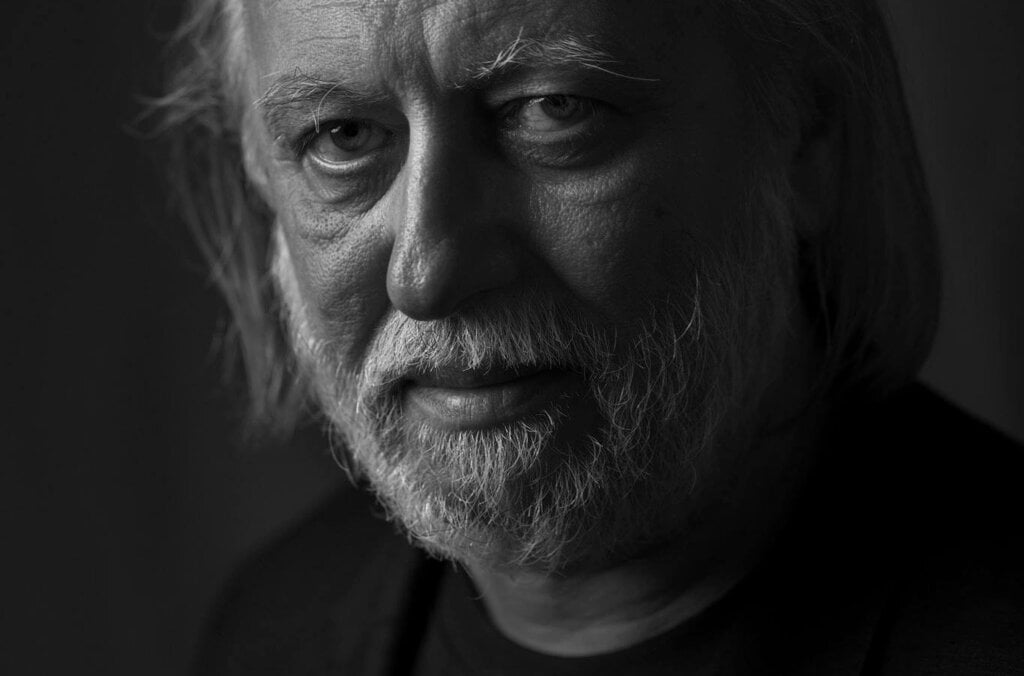
László Krasznahorkai was born in 1954 in the town of Gyula in southeastern Hungary. As a young man, he often moved to avoid the compulsory military service and instead tried working in different kinds of jobs.
A job on a farm led to Krasznahorkai becoming a writer. When he was forced to hold piglets in place to be castrated, he found that he deeply sympathised with them. This mood and these feelings made him want to write about the world on a deeper level.
László Krasznahorkai is now considered one of the most important authors in Hungary. He has written novels, short stories, essays and plays. Many of his books have also been made into movies.
Recurring themes
László Krasznahorkai’s novels are often described as apocalyptic. They depict people and societies where the end seems near. The settings and characters are gloomy, but there is also humour in his texts.
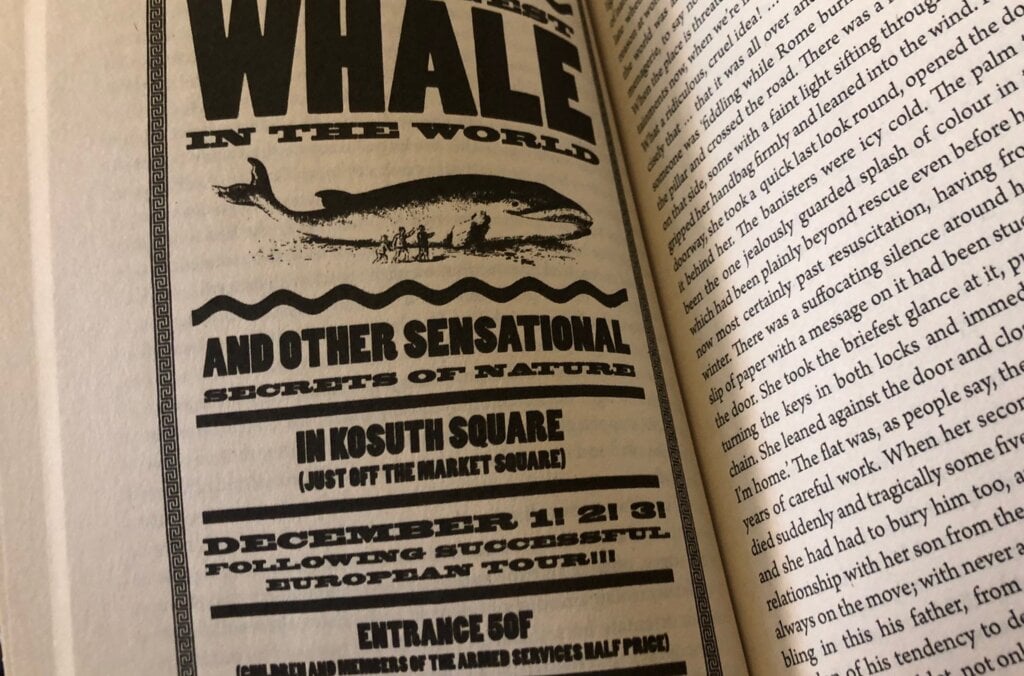
One example is the novel The Melancholy of Resistance. The Swedish Academy, which awards the literature prize, describes it as a “feverish horror fantasy”. The book is set in a small Hungarian town after the fall of the Soviet Union. When a ghostly circus arrives and displays the carcass of a giant whale, this awakens extreme forces. This leads to violence that not even the military can put an end to.
The novel has also been called an apocalyptic comedy. The people’s behaviours in this chaos appear as comical and absurd – they exhibit a kind of black humour.
The importance of music and art
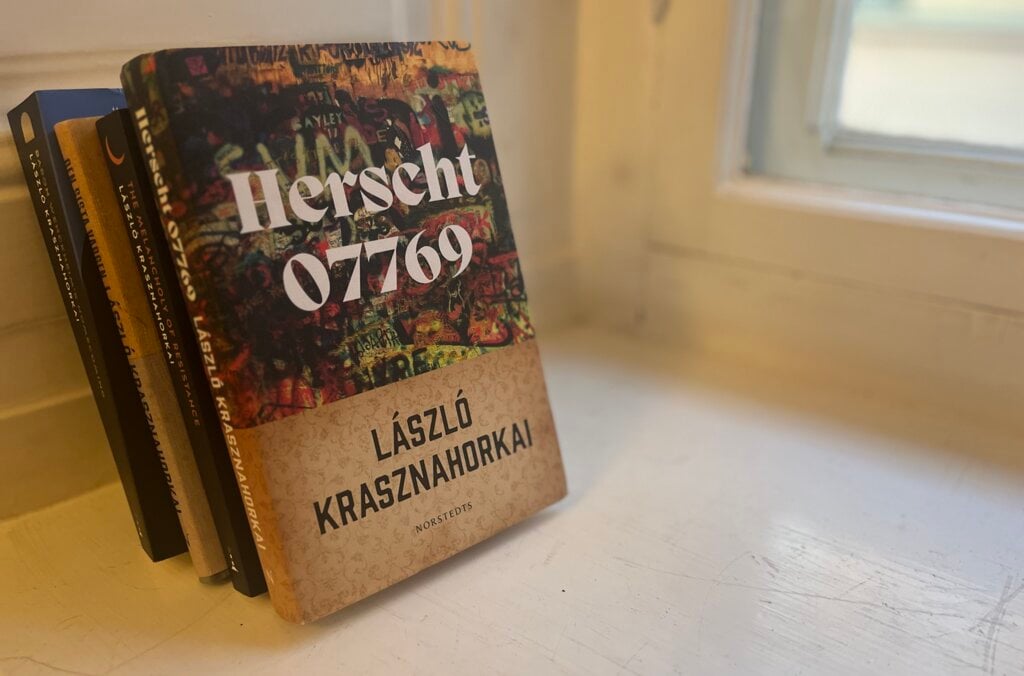
Another recurring theme in Krasznahorkai is the important role that music and art can play for us humans. The novel Herscht 07769 is about the gentle graffiti cleaner Florian Herscht. He is convinced that the end of the universe is near and writes letters to Chancellor Angela Merkel to try to warn her.
Florian wants nothing more than to simply listen to the music of composer Johann Sebastian Bach, and the power of Bach’s music plays an important role in the novel. Furthermore, the novel is set in Thüringen, the area in Germany where Bach was born.
The flowing style
Krasznahorkai’s style consists of long, winding sentences that often span several pages. The novel Herscht 07769, for example, is written in a single sentence spanning more than 300 pages. There are no chapters or paragraphs and only a single period, but there are many commas.
This flowing style can be said to resemble an internal stream of thoughts and words sometimes referred to as “stream of consciousness”. In Krasznahorkai’s never-ending sentences, there are not only thoughts but also dialogues and descriptions.
Krasznahorkai himself has said that he doesn’t trust short sentences – that people don’t speak with periods but with commas. “The period doesn’t belong to human beings – it belongs to God.”
A short excerpt from one of his novels
Here is an example of Krasznahorkai’s flowing style. The excerpt comes from Herscht 07769:
… he signed the letter, folded it twice, slipped it into the envelope, and addressed it, but no, he shook his head, it wasn’t good, he took the letter out of the envelope, crumpled it up and threw the paper to the ground, as he said to himself (as he usually did): I must start from the assumption that the Chancellor is a trained physicist; this meant that he did not have to explain everything in detail but could hit the ground running so the Chancellor could at once grasp the importance of this matter and act immediately …
From Herscht 07796 (2024), New Directions Publishing, translated by Ottilie Mulzet
Krasznahorkai and our current society
Literary scholar Paul Tenngart compares Krasznahorkai to previous Nobel laureates. He says that several of them have described historical problems, while Krasznahorkai instead depicts a trauma that is taking place here and now in our society – fascism spreading across the world.
In an interview with Krasznahorkai right after the Nobel Prize was announced, he encourages everyone to use their imagination and to read and enjoy books, “because the reading gives us more power to survive this very, very difficult time on Earth.“