The 2025 Nobel Prize in Physiology or Medicine recognises discoveries that have increased our understanding of how the immune system works. The Nobel Prize laureates discovered a previously unknown immune cell called regulatory T cell (TREG).
The immune system – one of the masterpieces of evolution
We would not survive without a functioning immune system. Every single day, it protects us from thousands of different viruses, bacteria and other microbes trying to invade our bodies. Microbes are microorganisms found everywhere. Some are a natural part of our bodies and are good for us. Others are substances trying to get into our bodies and which can make us sick.
Microbes that attack our bodies may look very different. Some have even developed a kind of camouflage that makes them look like human cells. An important task for the cells in the immune system is to identify infectious agents and distinguish them from the body’s own cells, so that they know what to attack.
T cells play an important role in the body’s defence
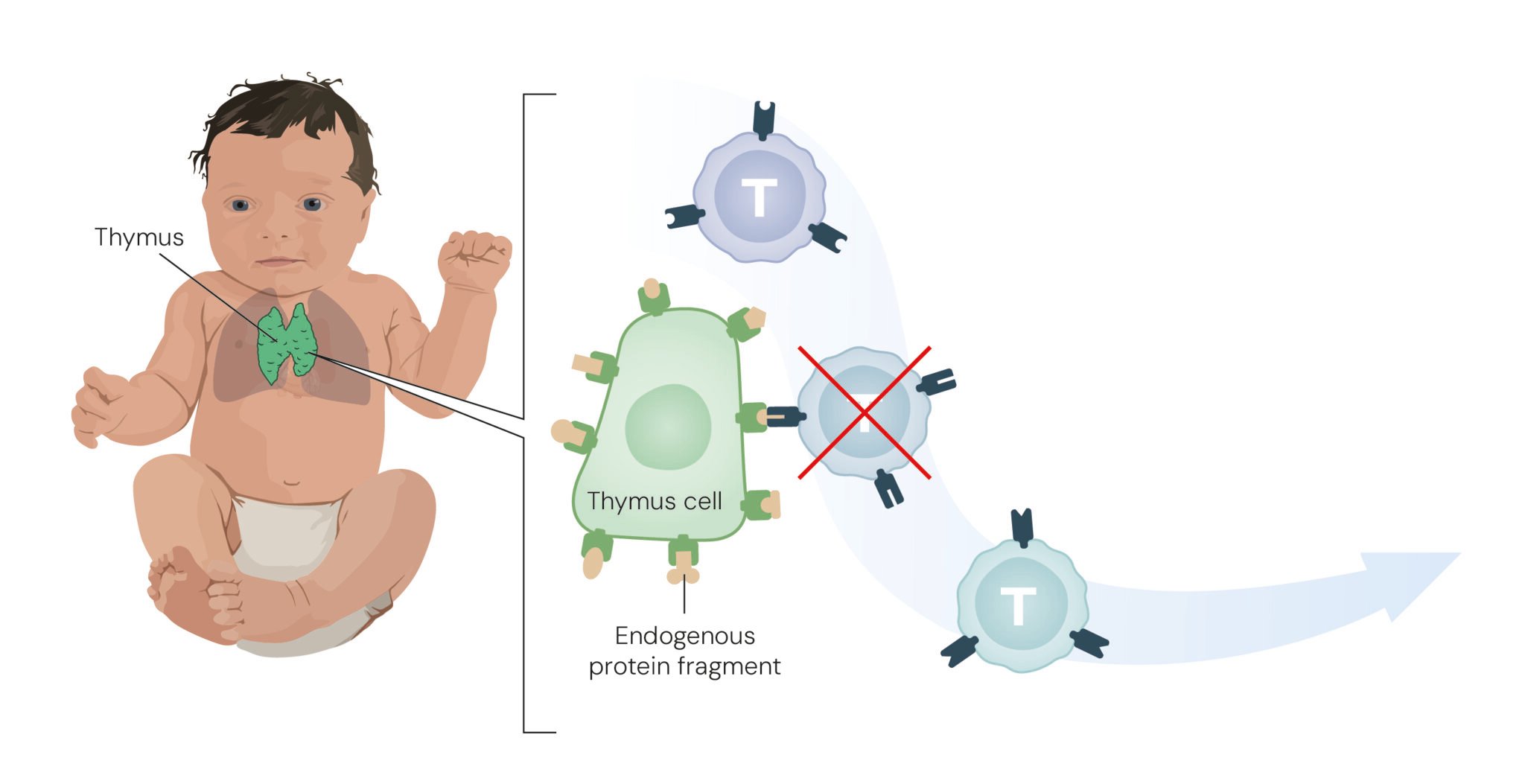
There are many different types of immune cells with different functions. The discoveries made by the laureates are about a certain type of cell called T cells. The T comes from the word thymus, which is an organ in the body located just behind the ribcage. This is where the T cells are trained. They are taught to distinguish between the body’s own cells and foreign substances. Special cells in the thymus hold out a fragment of the body’s own proteins. In such a case, the T cells should not react to these proteins.
The T cells that pass the test get to go out into the body to look for intruders to attack. Cells that fail this test are eliminated. Otherwise, there is a risk that the cells reacting to the body’s own proteins in the thymus will do the same in the rest of the body and attack the body’s own cells.
Helper T cells and killer T cells
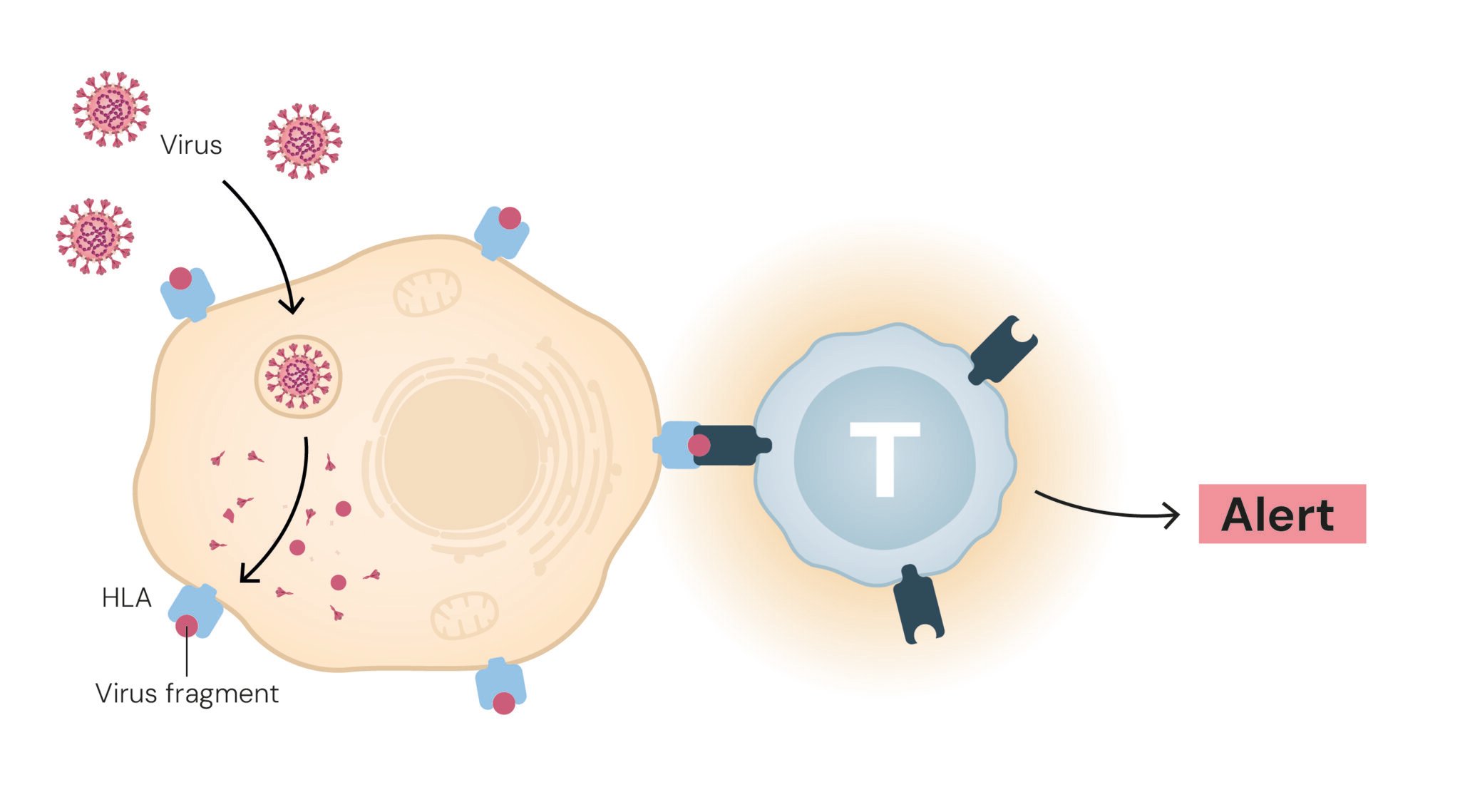
Scientists have known for a long time that there are two types of T cells:
Helper T cells that patrol the body. If they detect an intruder, they alert other cells in the immune system.
Killer T cells that are first activated by helper T cells, after which they attack the intruder.
Regulatory T cells
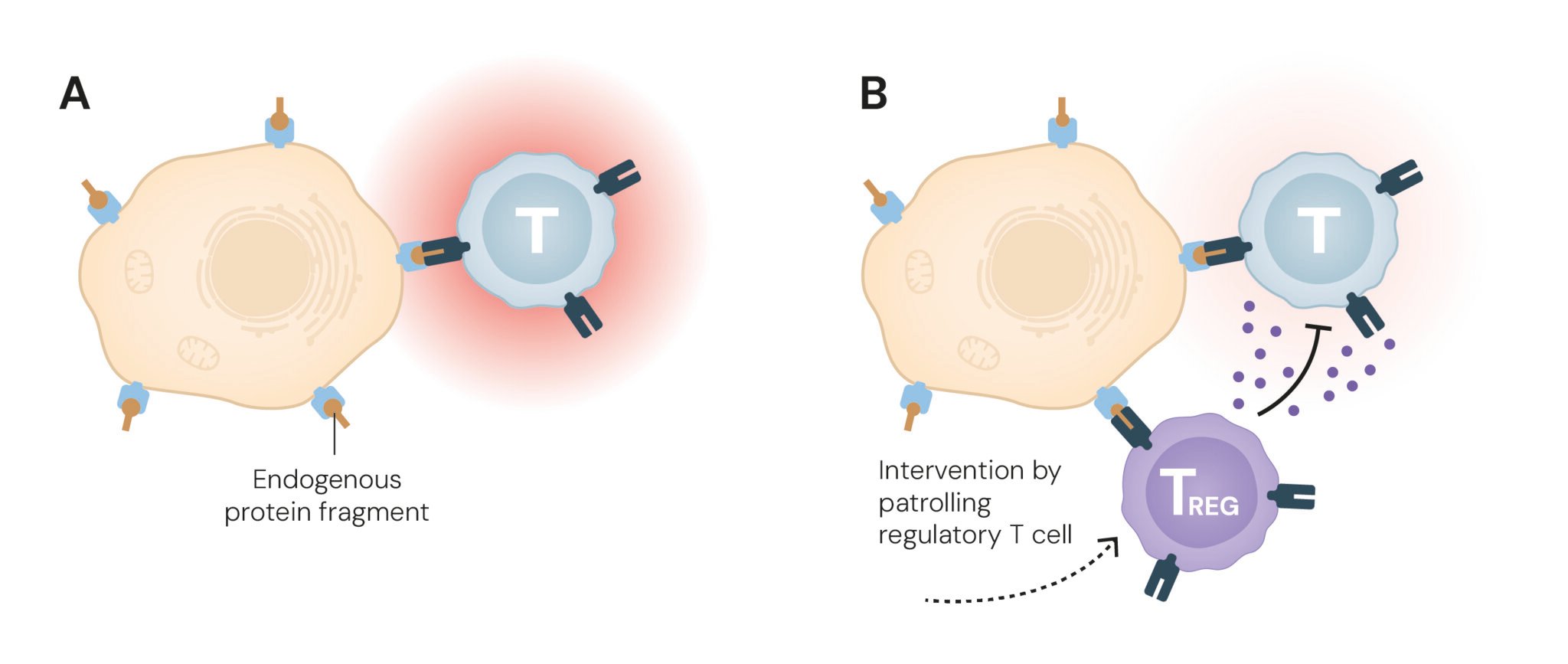
The Nobel laureates discovered that there was yet another type of T cells acting as the immune system’s security guards. These so-called regulatory T cells prevent immune cells from attacking our own body. This is due to the fact that T cells that fail the test in the thymus sometimes still manage to slip through. They get out into the body and may attack the body’s own cells and cause autoimmune diseases. These are diseases that occur when the body’s immune system believes that its own cells are enemies, thus causing damage to healthy tissues and organs.
Regulatory T cells prevent the cells that have slipped through the test in the thymus from attacking the body’s own cells. They also calm down the immune system after it has eliminated an intruder so that it doesn’t continue working at a high level of intensity.
The 2025 Nobel Prize laureates in physiology or medicine

Finding the new immune cell and understanding its function was a long and hard effort. It started in the 1980s and continued until the early 2000s.
Shimon Sakaguchi from Japan was the one who discovered the regulatory T cells. The Americans Mary Brunkow and Fred Ramsdell made the second key discovery in 2001. They found the explanation for why some mice suffer from autoimmune diseases. These mice have a defective gene that prevents them from forming regulatory T cells. In 2003, Shimon Sakaguchi combined their respective discoveries.
For the greatest benefit to humankind
The discoveries made by the laureates have been crucial to our understanding of how the immune system works and why not everyone suffers from serious autoimmune diseases, such as type 1 diabetes, coeliac disease (gluten intolerance), rheumatoid arthritis or psoriasis. These discoveries have also spurred the development of medical treatments for cancer and autoimmune diseases.
In this short video, you will learn a little bit more about the discoveries made by the laureates and why they confer the greatest benefit to humankind: