The 2025 physics prize is about quantum mechanics. The laureates are recognised for experiments that demonstrate quantum mechanical effects in electrical circuits.
Quantum mechanics – a strange world
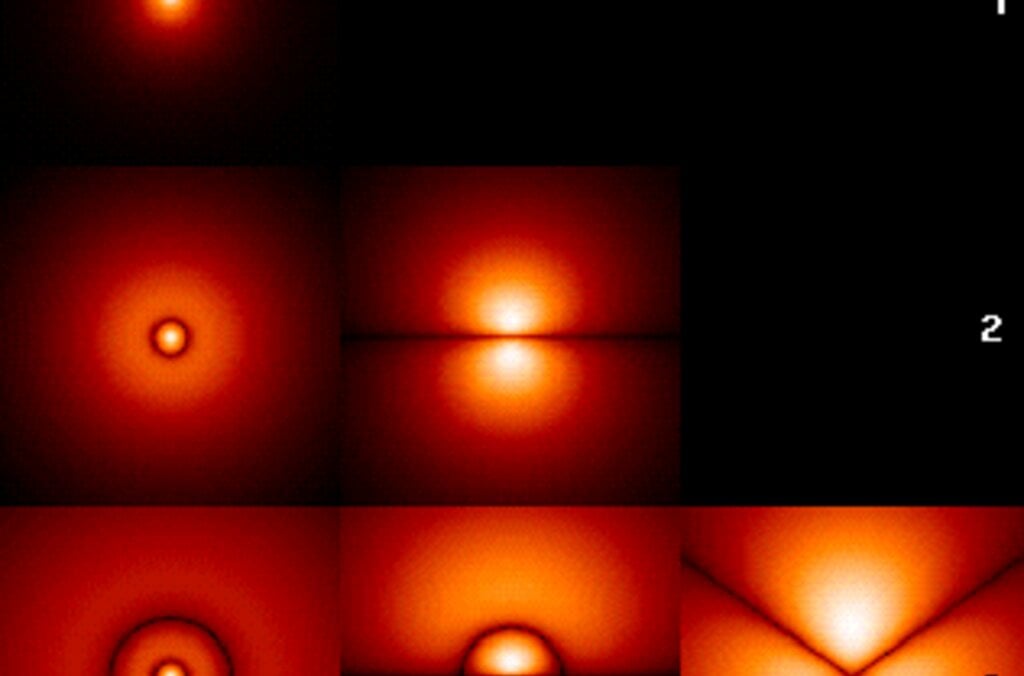
Quantum mechanics is a theory that was developed about 100 years ago and which presented a completely new way of describing the world.
Tunnelling
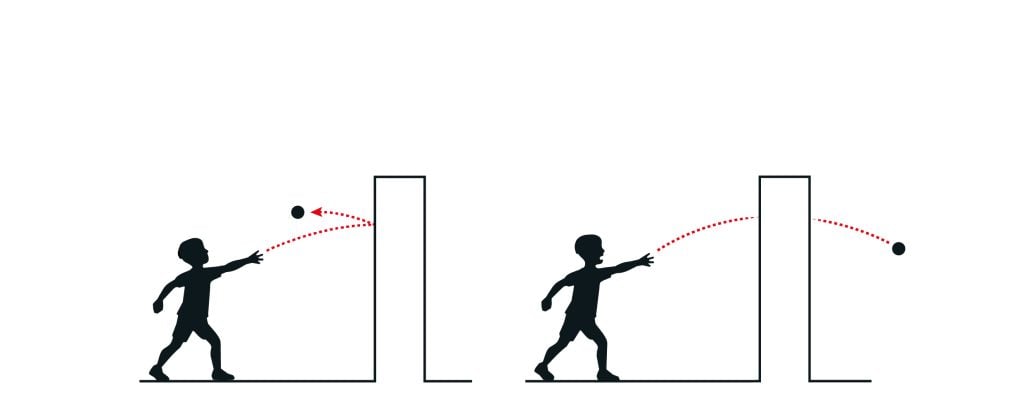
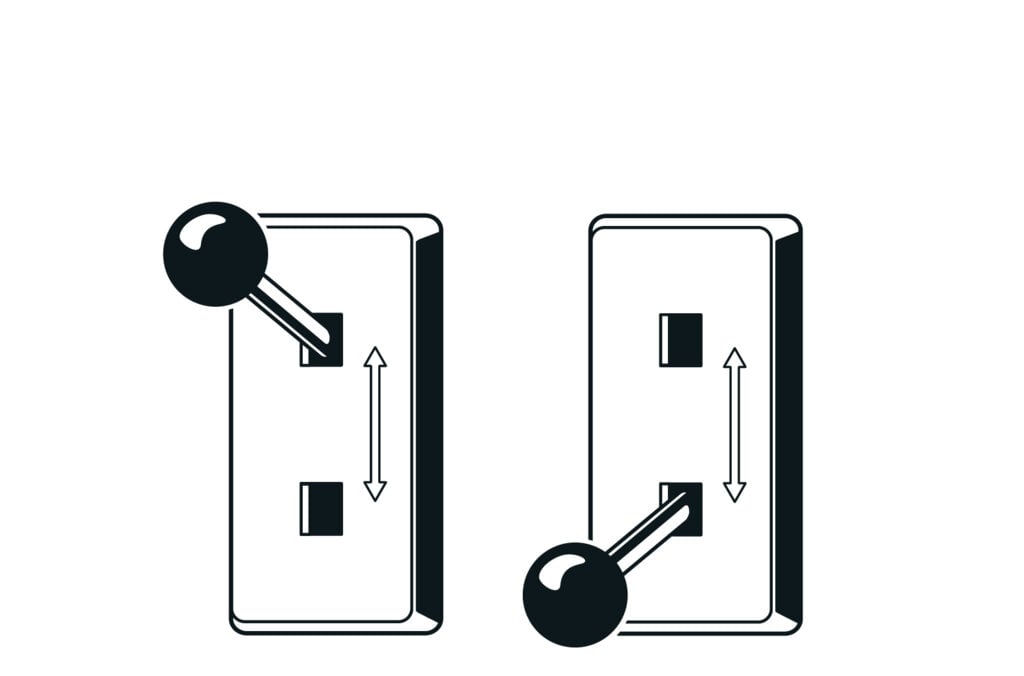
One of the effects of quantum mechanics is tunnelling. This means that barriers that should actually be impossible to pass through, may still sometimes be traversed. For example, a piece of the atomic nucleus may sometimes split off from the rest of the nucleus, even though the forces holding the atomic nucleus together should, in fact, be too strong.
The laureates wanted to show that tunnelling may occur not only among individual atoms and electrons but also on the scale in which we perceive reality, such as in an electrical circuit.
Superconductivity and tunnelling
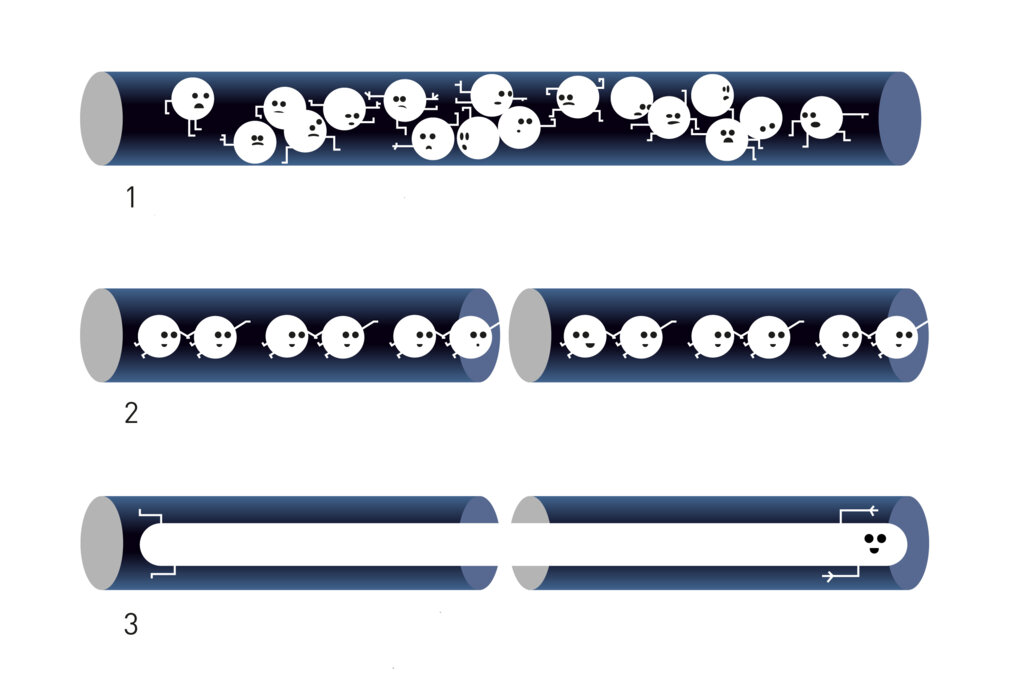
In the laureates’ experiments, another phenomenon enters the picture – superconductivity. Superconductivity means that a current flows without encountering any resistance whatsoever. This only happens at very low temperatures, close to absolute zero at about minus 273 degrees Celsius or minus 460 degrees Fahrenheit.
In their experiments, the laureates were able to show that tunnelling may occur in an electrical circuit with two superconductors separated by an insulating gap.
What is new in their discoveries is that quantum mechanical effects manifested themselves on our everyday scale: in an electrical circuit that we can see with our naked eyes and hold in our hands.
The 2025 Nobel Prize laureates in physics

The three physics laureates jointly conducted the experiments that led to 2025 physics prize. These experiments were carried out some 40 years ago. John Clarke was born in the United Kingdom but carried out research at the University of California, Berkeley, in the 1980s. His research group was joined by Michel Devoret, a Frenchman who had recently completed his doctoral studies in Paris. The group also included the American John Martinis, who was still engaged in his doctoral studies when these experiments were carried out.
What could these discoveries lead to?
These discoveries have played and will play an important role in research by offering a better understanding of how quantum mechanical systems behave.
In the future, these discoveries may also have an impact on the development of quantum computers, which will be much more powerful than current computers, quantum sensors, which may result in more sensitive measuring instruments, and quantum encryption technologies, which may offer more secure ways of storing and transmitting data.
In this short video, you will learn a little bit more about the discoveries made by the laureates and why they confer the greatest benefit to humankind: