Gabriel Lippmann
Facts
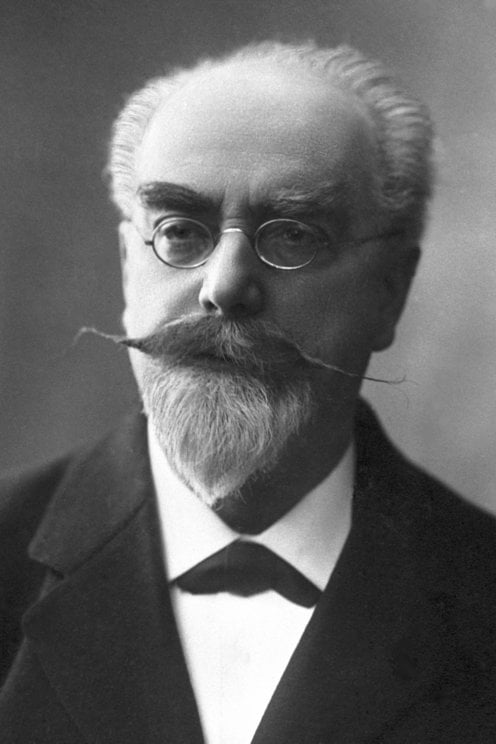
Photo from the Nobel Foundation archive.
Gabriel Lippmann
Nobel Prize in Physics 1908
Born: 16 August 1845, Hollerich, Luxembourg
Died: 13 July 1921
Affiliation at the time of the award: Sorbonne University, Paris, France
Prize motivation: “for his method of reproducing colours photographically based on the phenomenon of interference”
Prize share: 1/1
Work
During the 19th century methods were developed for producing black-and-white photographs with the help of light-sensitive silver halides. In the 1890s Gabriel Lippmann discovered a method for color photography based on interference—interaction between light waves. Using a mirror, light was reflected through a photographic emulsion in which the interference phenomenon produces a number of blackened layers. The distance between the layers corresponds to certain wavelengths and can be transmuted into a color image. The method never came into widespread usage, but lived on as a physics experiment.
Nobel Prizes and laureates
Six prizes were awarded for achievements that have conferred the greatest benefit to humankind. The 14 laureates' work and discoveries range from quantum tunnelling to promoting democratic rights.
See them all presented here.