George H. Whipple
Facts
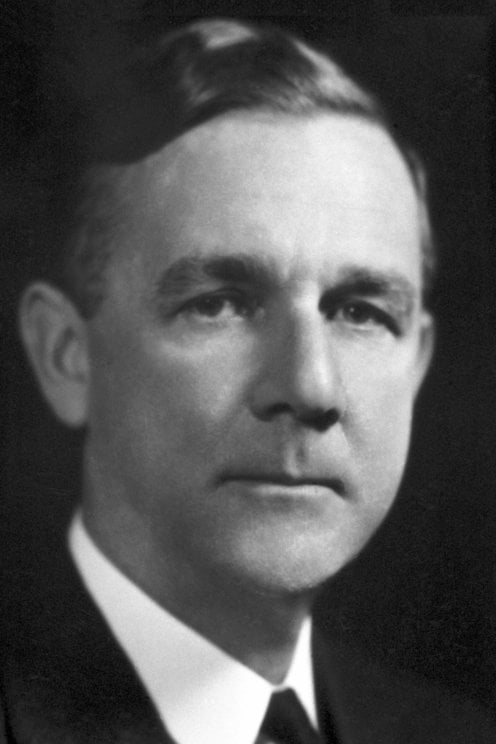
Photo from the Nobel Foundation archive.
George Hoyt Whipple
Nobel Prize in Physiology or Medicine 1934
Born: 28 August 1878, Ashland, NH, USA
Died: 1 February 1976, Rochester, NY, USA
Affiliation at the time of the award: University of Rochester, Rochester, NY, USA
Prize motivation: “for their discoveries concerning liver therapy in cases of anaemia”
Prize share: 1/3
Work
Anemia, or blood deficiency, means that the amount of red blood cells in the blood is too low. George Whipple and his colleagues drew blood from dogs and then gave them different types of food, while simultaneously studying the formation of new blood cells. This endeavor at the beginning of the 1920s showed that formation of blood cells was stimulated by a diet rich in foods like liver, kidney, meat and apricots. This suggested avenues for treating people with a serious form of anemia, pernicious anemia, by having them daily eat abundant amounts of liver.
Nobel Prizes and laureates
Six prizes were awarded for achievements that have conferred the greatest benefit to humankind. The 14 laureates' work and discoveries range from quantum tunnelling to promoting democratic rights.
See them all presented here.