Julius Wagner-Jauregg
Facts
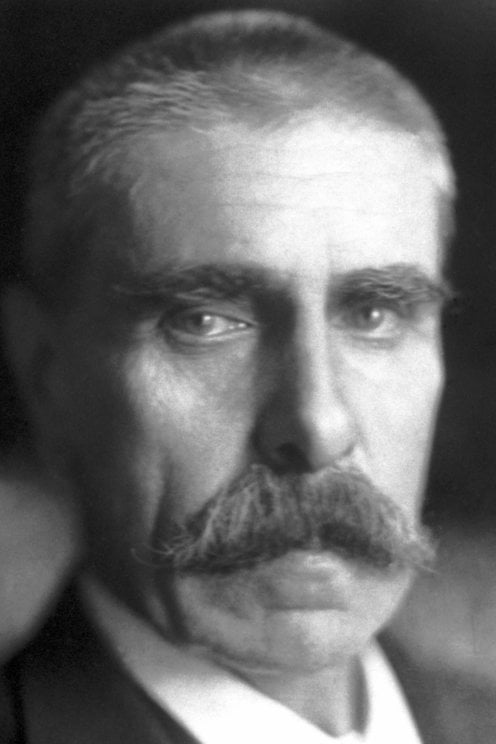
Photo: Albert Hilscher. Nobel Foundation archive
Julius Wagner-Jauregg
Nobel Prize in Physiology or Medicine 1927
Born: 7 March 1857, Wels, Austria
Died: 27 September 1940, Vienna, Austria
Affiliation at the time of the award: Vienna University, Vienna, Austria
Prize motivation: “for his discovery of the therapeutic value of malaria inoculation in the treatment of dementia paralytica”
Prize share: 1/1
Work
General paralysis is a stage in syphilis when the brain and psyche are attacked and the patient ends up in a lethargic and paralytic state that can end in death. As far back as antiquity, people noted that mental illnesses could be ameliorated by fevers. In 1917 Julius Wagner-Jauregg exposed patients to malaria-infected blood and could in this way cure or alleviate general paralysis. The malaria was of a type that was comparatively innocuous, and consequently the patient’s health could be improved.
Nobel Prizes and laureates
Six prizes were awarded for achievements that have conferred the greatest benefit to humankind. The 14 laureates' work and discoveries range from quantum tunnelling to promoting democratic rights.
See them all presented here.