Stories
Why we should thank Einstein for our smartphone cameras
Learn more about how the photoelectric effect has shaped technologies such as burglar alarms, solar panels and the camera in your smartphone. The engineer picked up a camera flash gun, aimed it at the tiny circuit board computer on the desk, and fired. For a fraction of a second, light flooded the room. Everyone blinked…
more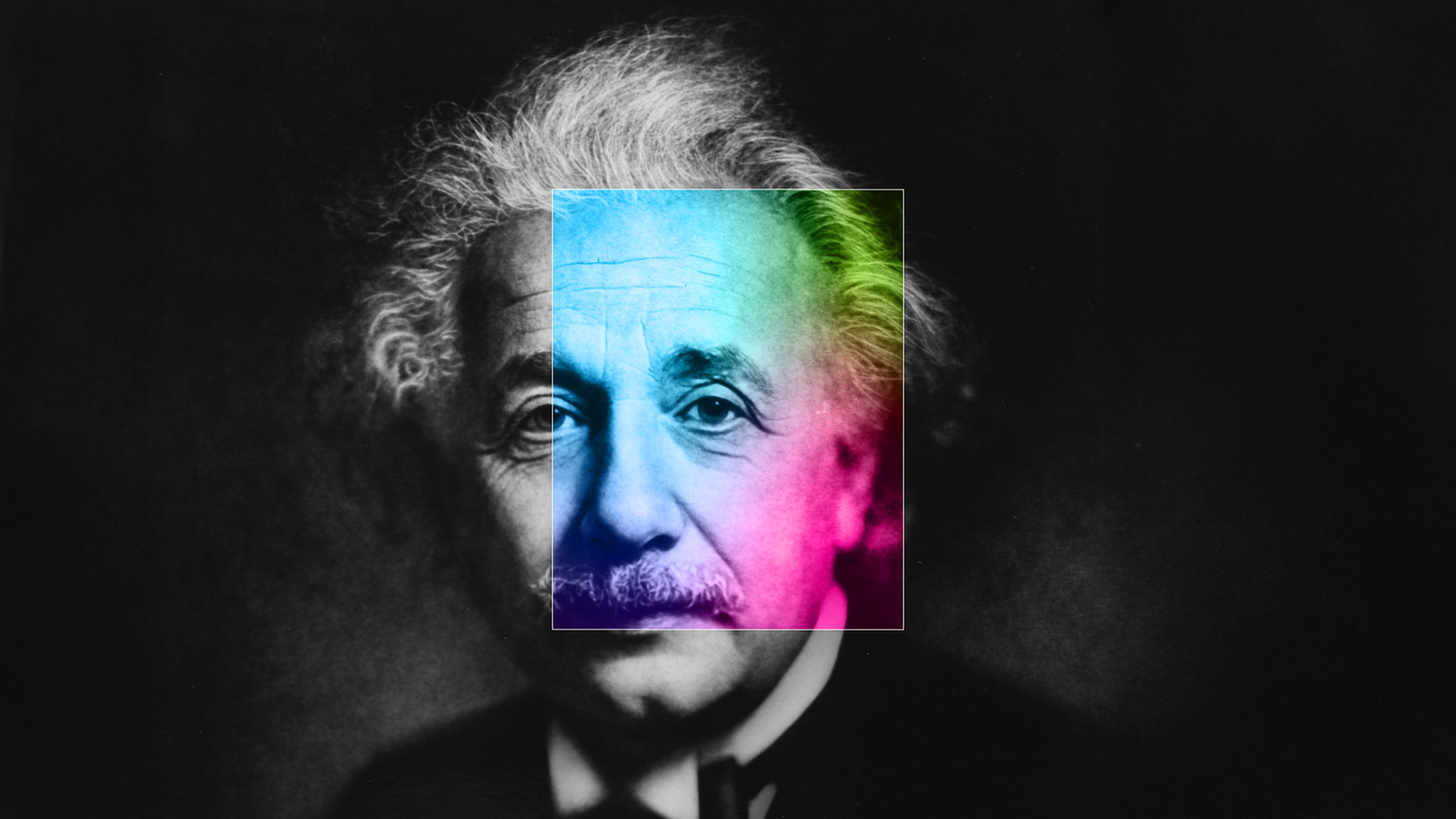
MARY BRUNKOW
A chance discovery made around 80 years ago paved the way for Mary Brunkow’s painstaking work, which contributed to redefining how the immune system functions. From investigating an obscure gene dismissed as ‘junk’ by other scientists, to choosing to opt out of academia and conduct her research at a biotech startup, Brunkow has embraced the unexpected throughout her career.
more
Exploring life’s smallest details
Learn more about some of the Nobel Prize-awarded discoveries in the fields of cells, nerves and genes. Cells, nerves and genes are fundamental to all living organisms. They control life’s processes and development. Often, this is where illness and suffering are caused. Knowledge about cells, nerves and genes is built on centuries of exploring life’s smallest details. New…
more
John Martinis: “It’s a lifelong learning process”
Eleonora Svanberg, a PhD student in mathematics at the University of Oxford, sits down with 2025 physics laureate John Martinis for a conversation about curiosity, discovery and the future of quantum technology. Martinis reflects on the choices that led him to exploring quantum mechanical behaviour and discusses his groundbreaking work – conducted with co-laureates Michel…
more
Daron Acemoglu: “Always be open to talking to people who are ideologically opposite to you”
, economic sciences laureate 2024, was joined by nine students from all over the world for a conversation on the topic of being a scientist. Acemoglu gave his best advice for finding great collaborators, spoke about the future of AI and shared how he has overcome obstacles during his scientific career.
moreRevealing secrets on a tiny scale
The small matter of what everything is made from has long fascinated humankind. Microscopes have had a huge impact on our understanding of everything from the composition of materials to the building blocks of life. The work of a number of Nobel Prize laureates have allowed microscopes to evolve. A fascinating microbial world Randy Schekman…
more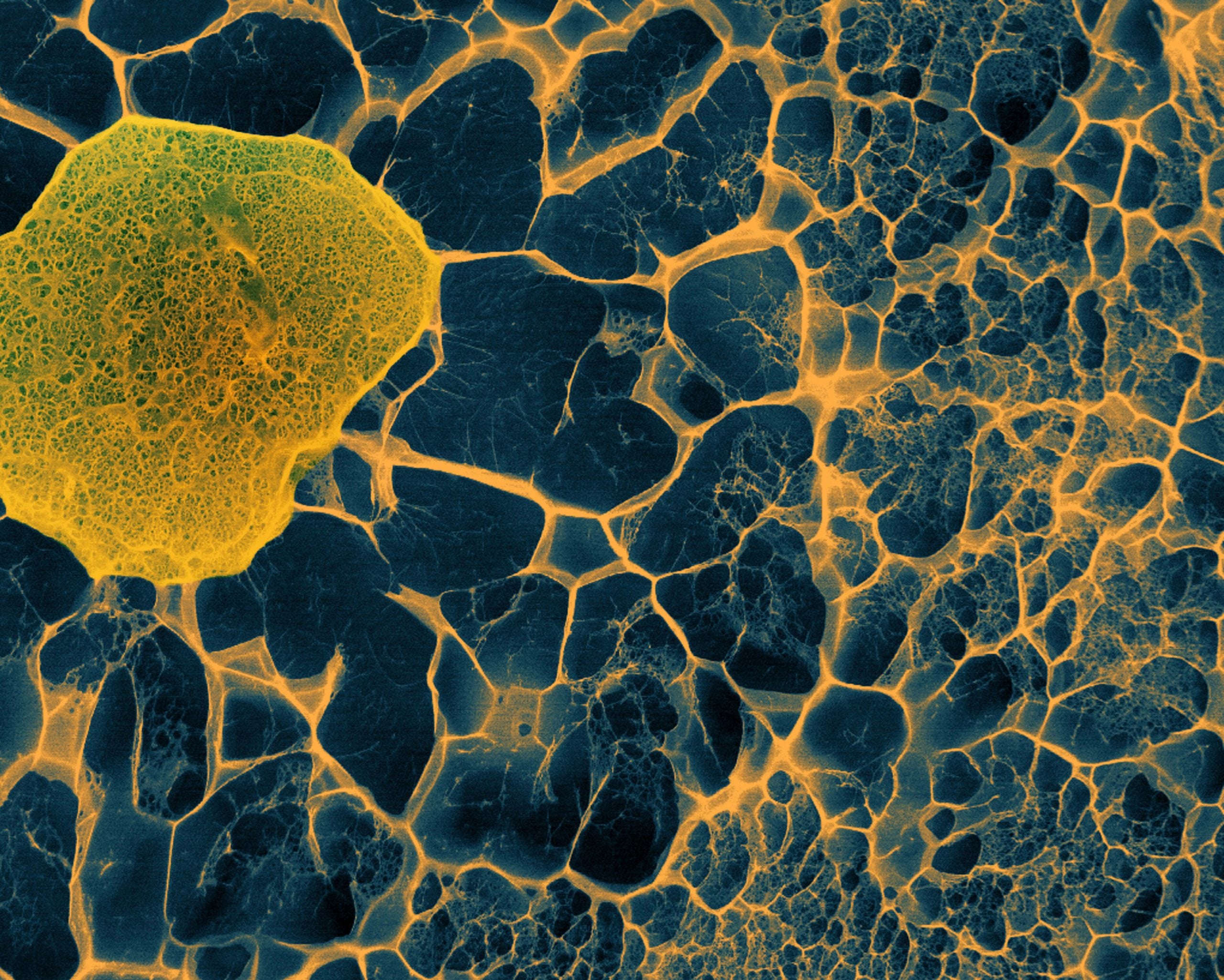
How microwaves let us tune into one another – and the universe
Learn more about how microwaves revolutionised our ways of communicating and helped us understand the origins of the universe. The Pope is watching. This had better work. Such thoughts perhaps ran through the mind of in 1932 as he set up a special antenna in the Vatican gardens while His Holiness Pope Pius XI looked…
more
The clock that starts ticking when something dies
A help in solving crimes and a revealer of history’s secrets: radiocarbon dating is one of the keys that unlocks our world. Willard Libby. There would be heaps of the stuff in sewage. was sure of it. It was the mid-1940s, and the US chemist’s goal was to find a radioactive form of carbon, carbon-14,…
more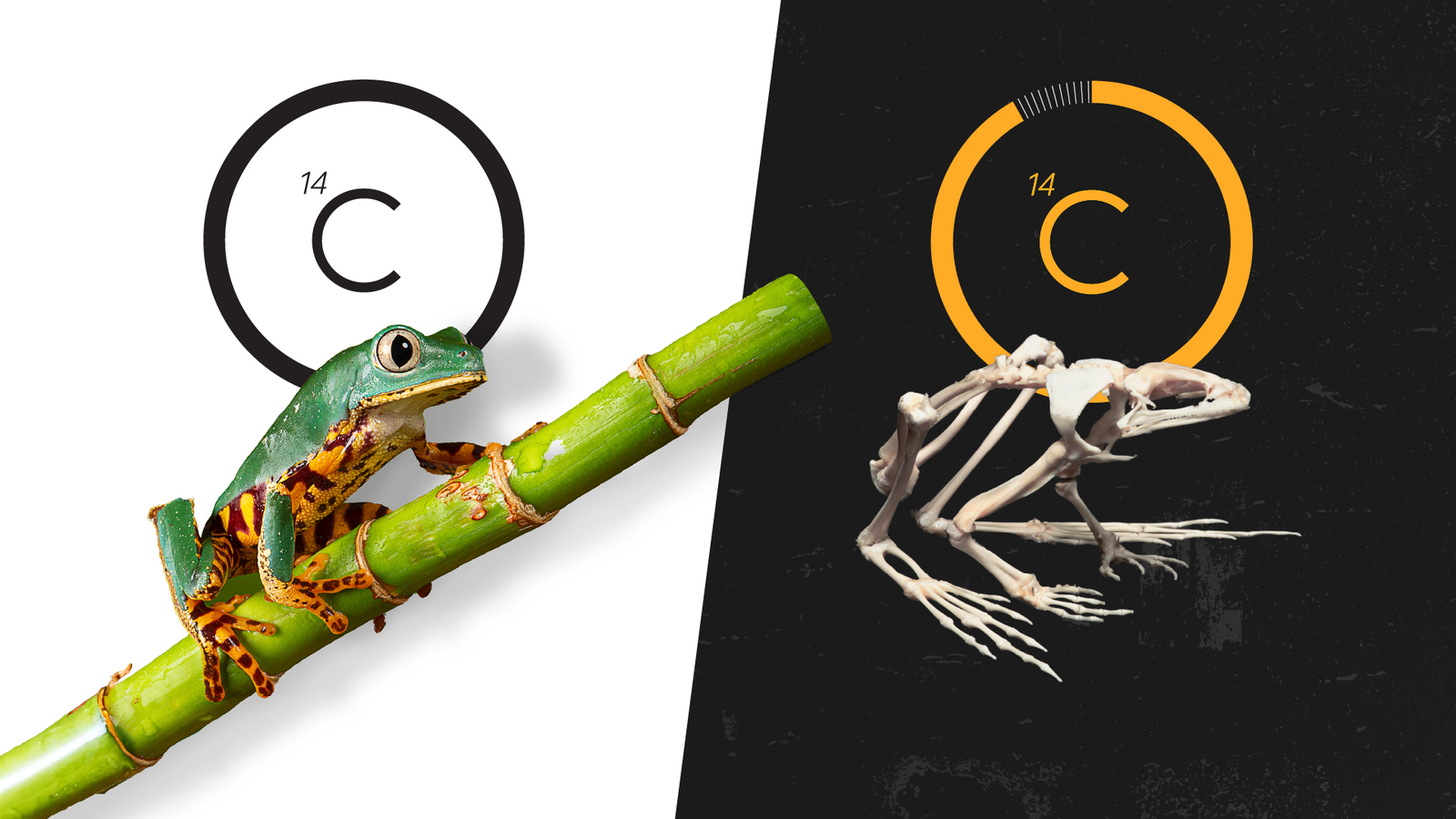
Five documentaries inspired by the Nobel Peace Prize
The Nobel Prize, National Geographic Documentary Films and Academy Award-winning filmmaker Orlando von Einsiedel have collaborated on a 5-part short documentary series, celebrating the ongoing impact and influence of Nobel Peace Prize laureates around the world. Watch the films here.
moreHow X-rays and crystals revealed the true nature of things
The story behind the 100-year-old discovery that continues to render Nobel Prizes. Alone in the Martian desert, a robot was looking for answers. In 2012, Nasa’s Curiosity rover scooped up a small pile of sand, ingested it, and blasted it with X-rays. The intrepid bot was going to find out what that sand was made…
more