Learn more about some of the Nobel Prize-awarded discoveries in the fields of cells, nerves and genes.
Cells, nerves and genes are fundamental to all living organisms. They control life’s processes and development. Often, this is where illness and suffering are caused. Knowledge about cells, nerves and genes is built on centuries of exploring life’s smallest details. New instruments and methods have helped to give us pictures of previously unknown worlds.
In 1931–1933, Karolinska Institutet (KI) awarded the Nobel Prize in Physiology or Medicine for discoveries in the fields of cells, nerves and genes. Otto Warburg (1931) measured the exchange of energy in cells. Charles Sherrington and Edgar Adrian (1932) studied impulses in the nervous system. Thomas Hunt Morgan (1933) defined modern gene theory by mapping the chromosomes of the fruit fly (Drosophila melanogaster). These laureates all defined and measured processes directly and in real time on the cell, nerve and chromosome level.
Here, you can learn more about their and some of their successors’ Nobel Prize-awarded work.
The content is taken from the exhibition Cells, nerves, genes, a collaboration between the Nobel Prize Museum and Medical History and Heritage at the Karolinska Institutet University Library.
Cells
British biochemist Peter Mitchell first published his ideas on the proton motive force in Nature in 1961. The equations here suggest the mitochondrial network. Cellular level art, paint on silk, digitised.
Licence: Attribution-NonCommercial 4.0 International (CC BY-NC 4.0) https://creativecommons.org/licenses/by-nc/4.0/. Credit: Mitchell's equation I. Odra Noel. Source: Wellcome Collection.
The release of energy
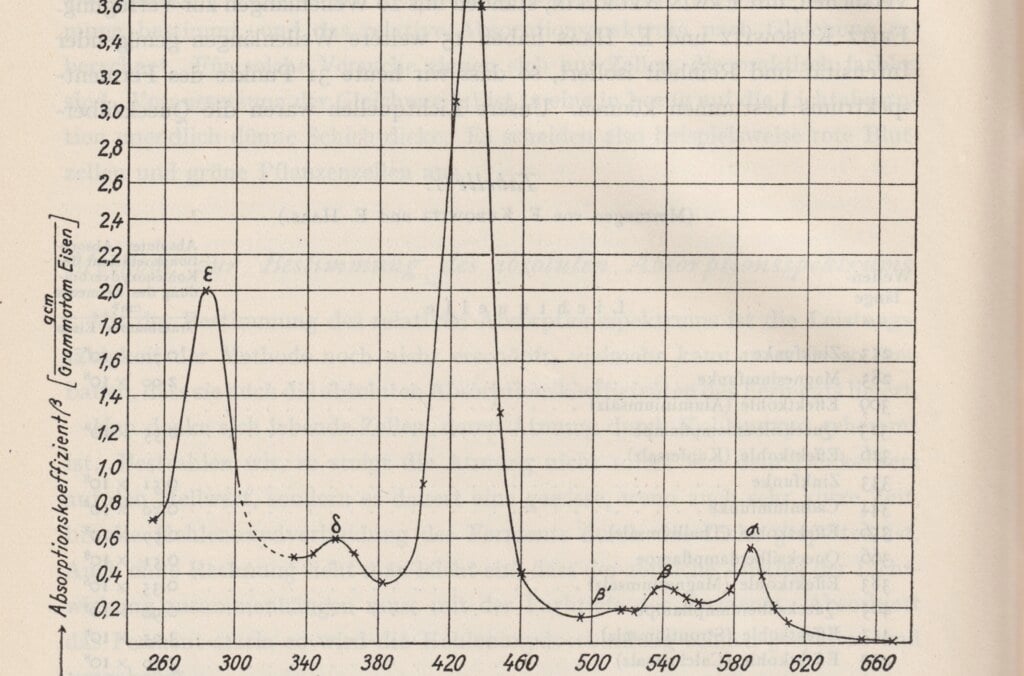
Image taken from Otto Warburg’s Nobel Prize lecture.
Otto Warburg was awarded the Nobel Prize for his biochemical research into how energy is released in the chemical processes of living cells. In the respiration of cells, nutrients are broken down while oxygen is consumed and energy released. Warburg measured oxygen consumption in the cells and studied the effect of enzymes on these processes, developing ground-breaking experiments and apparatus for this purpose. This made him the most copied biochemist in the first half of the 1900s.
The citric acid cycle
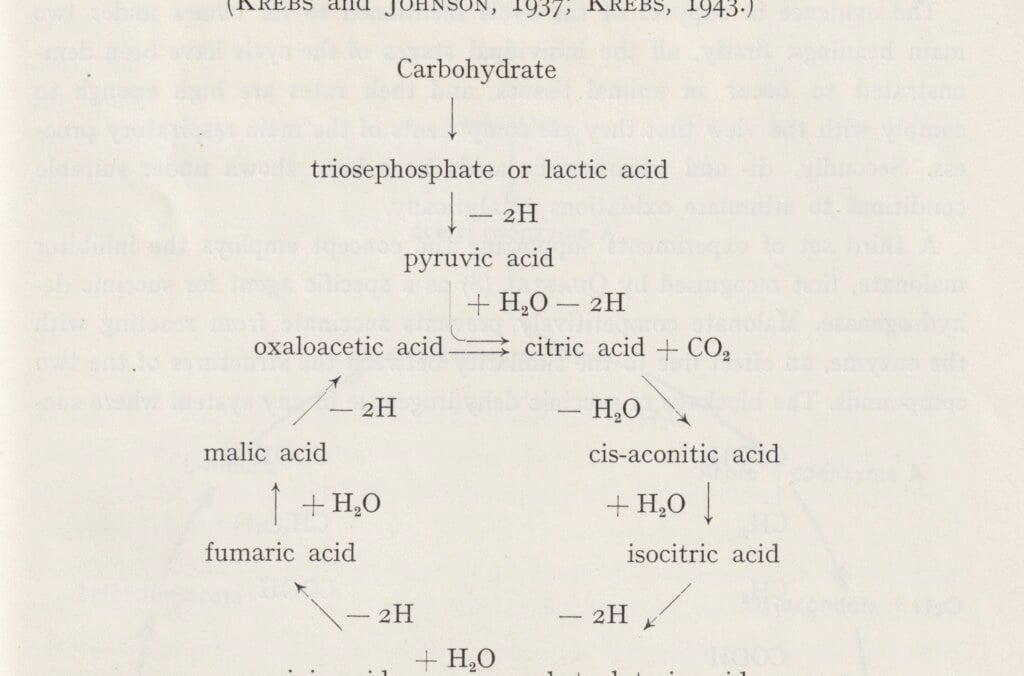
Hans Krebs was awarded the Nobel Prize for his medical discovery of the citric acid cycle, the central cellular metabolic process that breaks down nutrients and releases chemical energy in the form of ATP (adenosine triphosphate). The ATP molecule transfers and provides energy used by cells to power a variety of processes. The citric acid cycle also produces the components for building other molecules. Krebs began his career as a colleague of Otto Warburg in Berlin. After the Nazi take-over in Germany, he moved to the UK and became a professor at Oxford University.
Image taken from Hans Krebs’ Nobel Prize lecture.
Helped explain photosynthesis
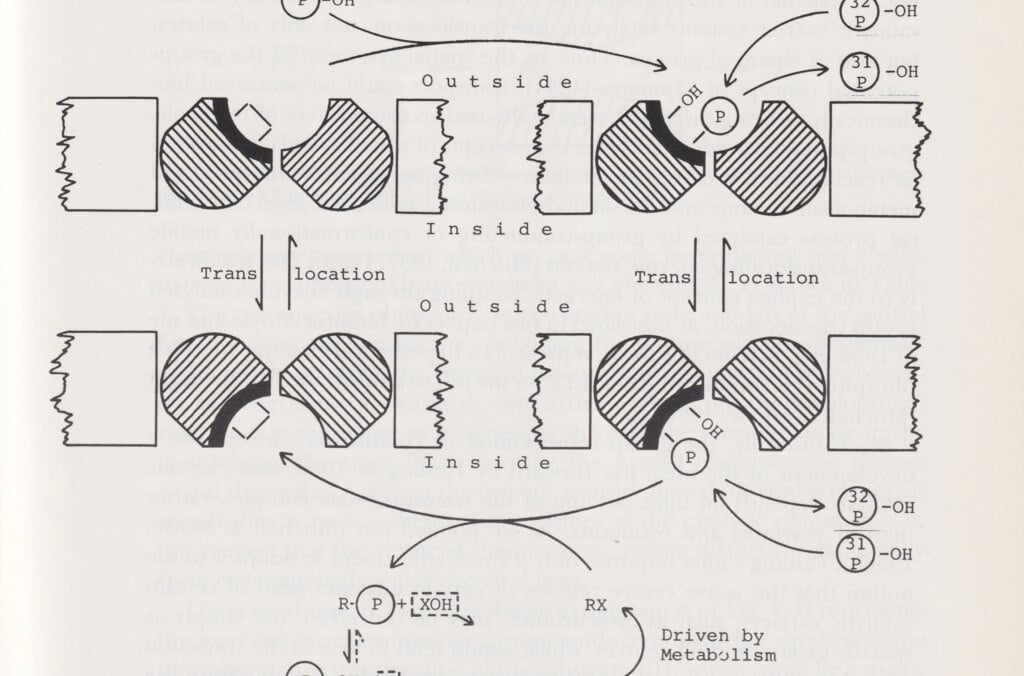
Image taken from Peter Mitchell’s Nobel Prize lecture.
Peter Mitchell explained how ATP molecules transfer energy in cells. This discovery helped to explain fundamental processes such as cell respiration, photosynthesis and bacterial metabolism. His chemiosmotic theory demonstrated that the fundamental mechanism is a process that takes place at the subatomic level in the cell. It begins with a flow of electrons and hydrogen ions through the mitochondria of the cell membrane, known as the “powerhouses of the cell.” The process is controlled by the interaction of several enzymes.
Cell respiration
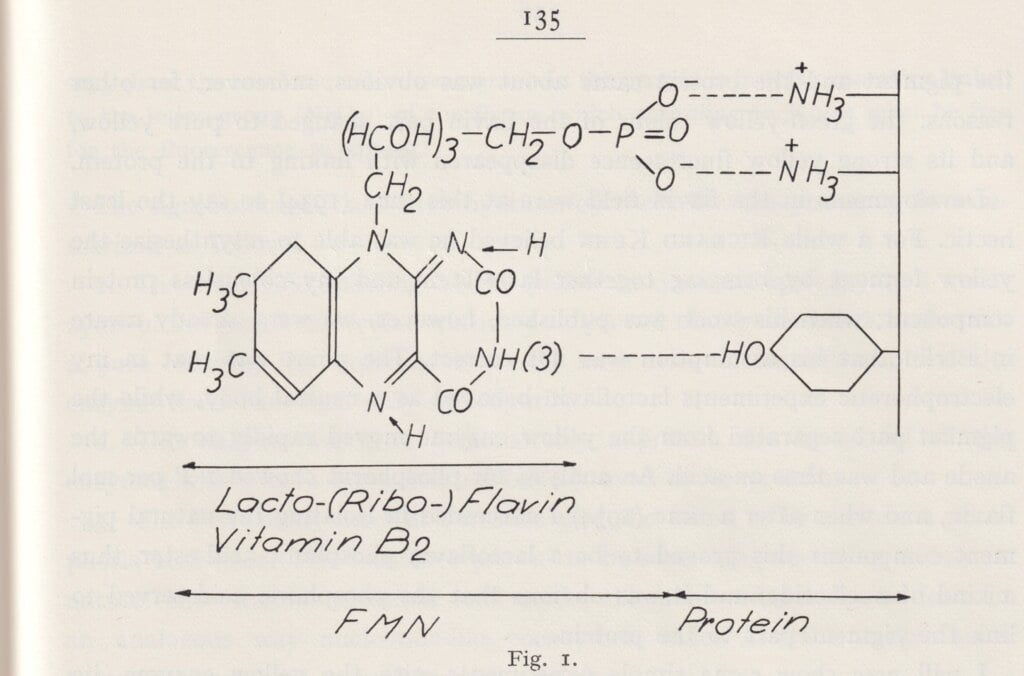
Hugo Theorell showed how oxidative enzymes affect cell respiration. His research laid the foundation for the modern understanding of how cells produce energy from oxygen and nutrients. Theorell made his discoveries in 1935 at Otto Warburg’s laboratory in Berlin. When the Nobel Institute for Medicine was founded at KI, Theorell was offered a position in Sweden to return to.
Image taken from Hugo Theorell’s Nobel Prize lecture.
Chemical signals at cellular level
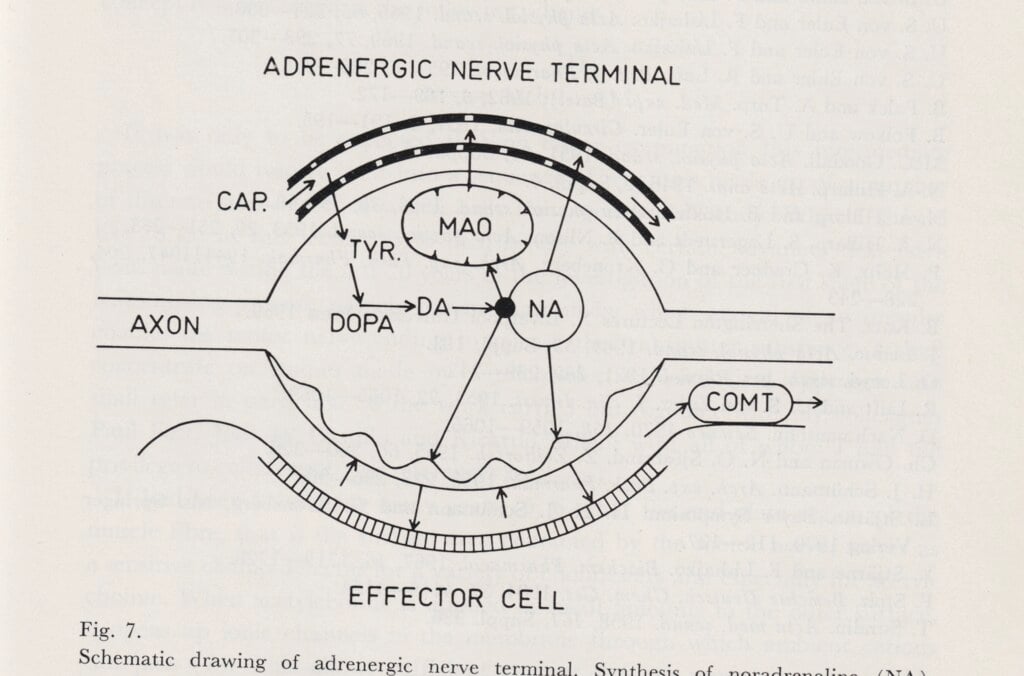
Image taken from Ulf von Euler’s Nobel Prize lecture.
Unlike most prominent Swedish physiologists who focused on the electric signals of the nervous system, Ulf von Euler researched chemical signals at cellular level. In 1940, he found that noradrenaline is a signal substance in the nervous system, and was awarded the medicine prize in 1970 for his discovery. Von Euler was appointed professor of physiology in 1937 at the KI, where he collaborated mainly with Hugo Theorell’s department of biochemistry at the Medical Nobel Institute.
Prostaglandins
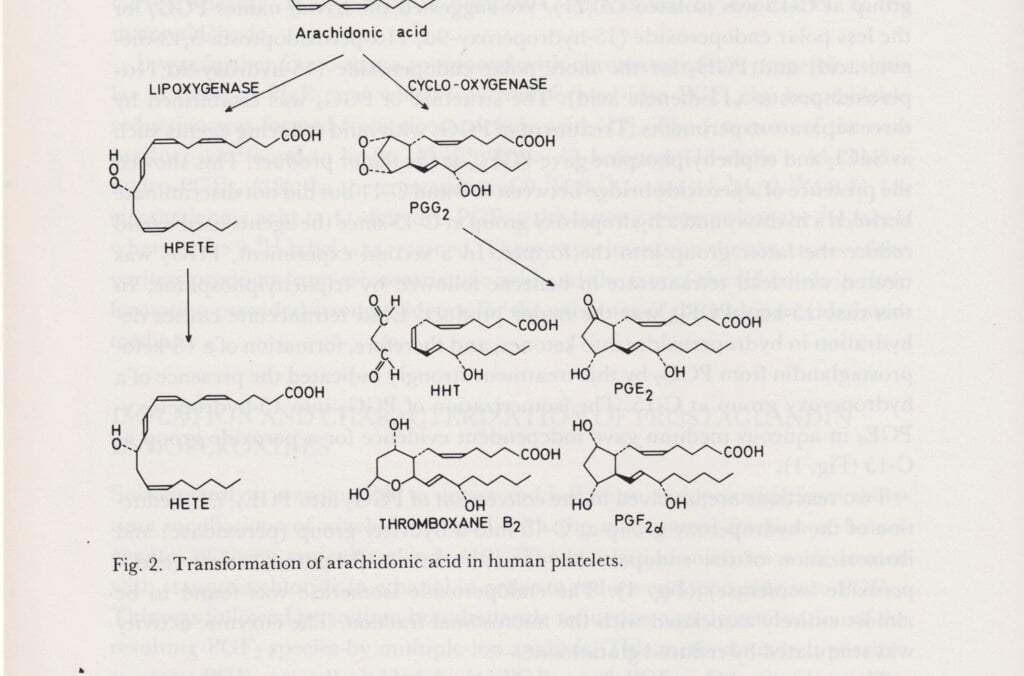
Sune Bergström, professor of chemistry at the KI, worked with Bengt Samuelsson and Jan Sjövall to explore prostaglandin. This is a hormone-like substance made of fatty acids. It affects both blood pressure, menstruation and inflammatory processes in the body. As a pharmaceutical, it can induce labour, but it can also be used for medical abortion. Prostaglandins have been vital to the development of medications in a variety of fields, such as the treatment of blood clots, inflammations and allergies.
Image taken from Bengt Samuelsson’s Nobel Prize lecture.
A molecular machinery
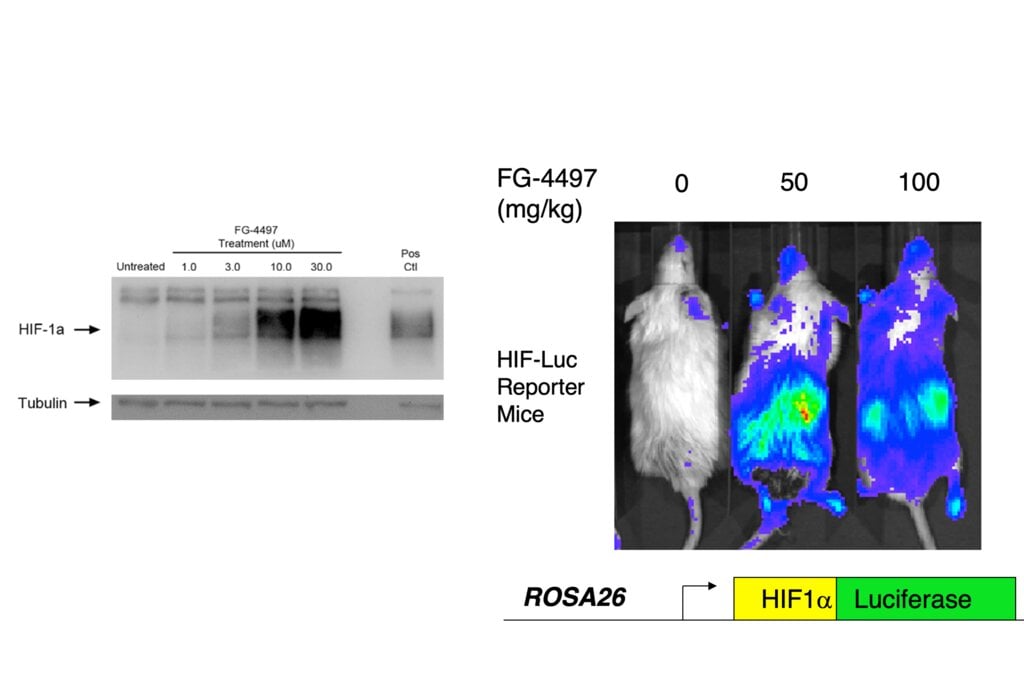
Image taken from William Kaelin’s Nobel Prize lecture.
William Kaelin, Peter Ratcliffe and Gregg Semenza discovered how cells can detect and adapt to the oxygen supply. In the 1990s, they identified a molecular machinery that regulates the activity of genes in response to variations in oxygen levels. The discovery may lead to new treatments for anaemia, cancer and other conditions.
Cells timeline
The term cell
The term cell was coined by Robert Hooke. One of the illustrations in his work Micrographia from 1665 shows a thin slice of cork. It seems to consist of smaller units encased by walls. They reminded Hooke of the cells inhabited by monks and nuns. This later became a fundamental concept in physiology. But the physiological importance of cells was unknown to Hooke.
Living cells documented
Antonie van Leeuwenhoek was the first to document living cells. In 1674, he was able to observe the red blood cells of a fish. Leeuwenhoek was a Dutch draper and shop owner in Delft and made magnifying lenses of superior quality to scrutinise fabric quality. From 1670, he directed his lenses on the world around him and discovered what no one had seen before. This includes living bacteria, which he first noted in 1683. Like Hooke, he did not know what he was seeing.
Cells are structural units
In 1838, the botanist Jakob Schleiden published the theory that cells are structural units shared by all plants. The same year, he and the physiologist Theodor Schwann defined their cellular theory: all forms of life consist of cells, the fundamental structural unit of all organisms.
Cell division
Oscar Hertwig was a German anatomist and embryologist with a keen interest in cells and cell cores. His research on fertilisation, reproduction and heredity has been vital to our knowledge in these fields. In 1876, he was the first to describe meiosis, the type of cell division that produces sperms or egg cells. Later, he also described the role of nuclein (nucleic acid) in the fertilisation and transmission of hereditary characteristics.
The release of energy
Otto Warburg was awarded the Nobel Prize for his biochemical research into how energy is released in the chemical processes of living cells.
The citric acid cycle
Hans Krebs was awarded the Nobel Prize for his medical discovery of the citric acid cycle, the central cellular metabolic process that breaks down nutrients and releases chemical energy in the form of ATP (adenosine triphosphate).
Helped explain photosynthesis
Peter Mitchell explained how ATP molecules transfer energy in cells. This discovery helped to explain fundamental processes such as cell respiration, photosynthesis and bacterial metabolism.
Cell respiration
Hugo Theorell showed how oxidative enzymes affect cell respiration. His research laid the foundation for the modern understanding of how cells produce energy from oxygen and nutrients.
Chemical signals at cellular level
In 1940, Ulf von Euler found that noradrenaline is a signal substance in the nervous system, and was awarded the medicine prize in 1970 for his discovery.
Prostaglandins
The Nobel Prize in Physiology or Medicine 1982 was awarded jointly to Sune K. Bergström, Bengt I. Samuelsson and John R. Vane "for their discoveries concerning prostaglandins and related biologically active substances." Prostaglandins have been vital to the development of medications in a variety of fields, such as the treatment of blood clots, inflammations and allergies.
A molecular machinery
William Kaelin, Peter Ratcliffe and Gregg Semenza were awarded the medicine prize in 2019 for their work on how cells can detect and adapt to the oxygen supply.
Nerves
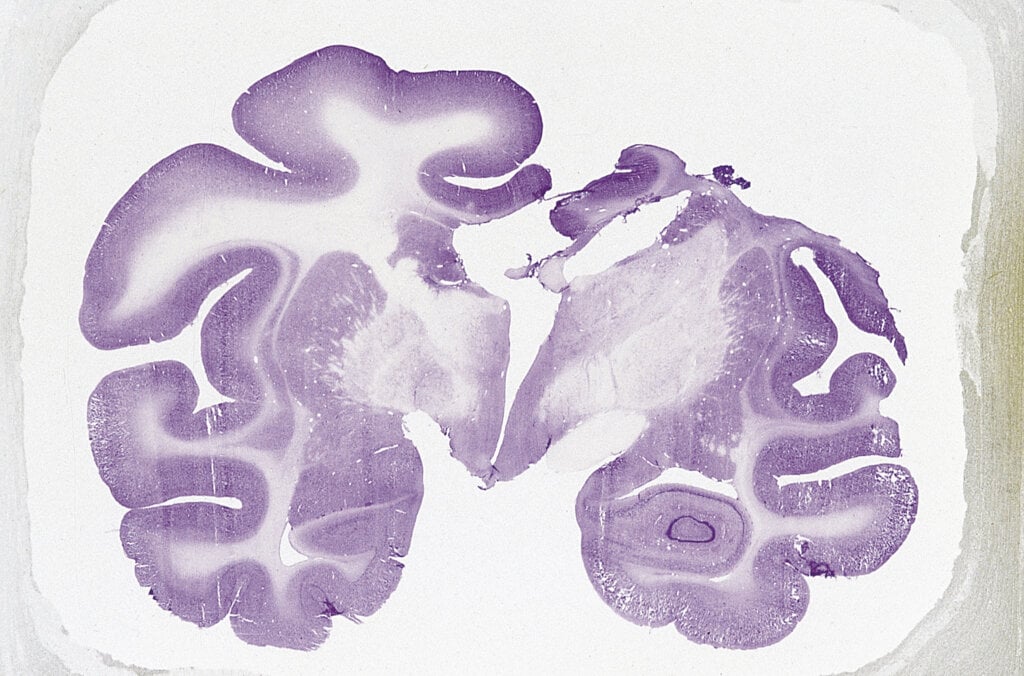
In the early 20th century Spanish scientist Santiago Ramón y Cajal known as 'Cajal' drew the first observed neurons as black shapes. The artist paints them here full of colour.
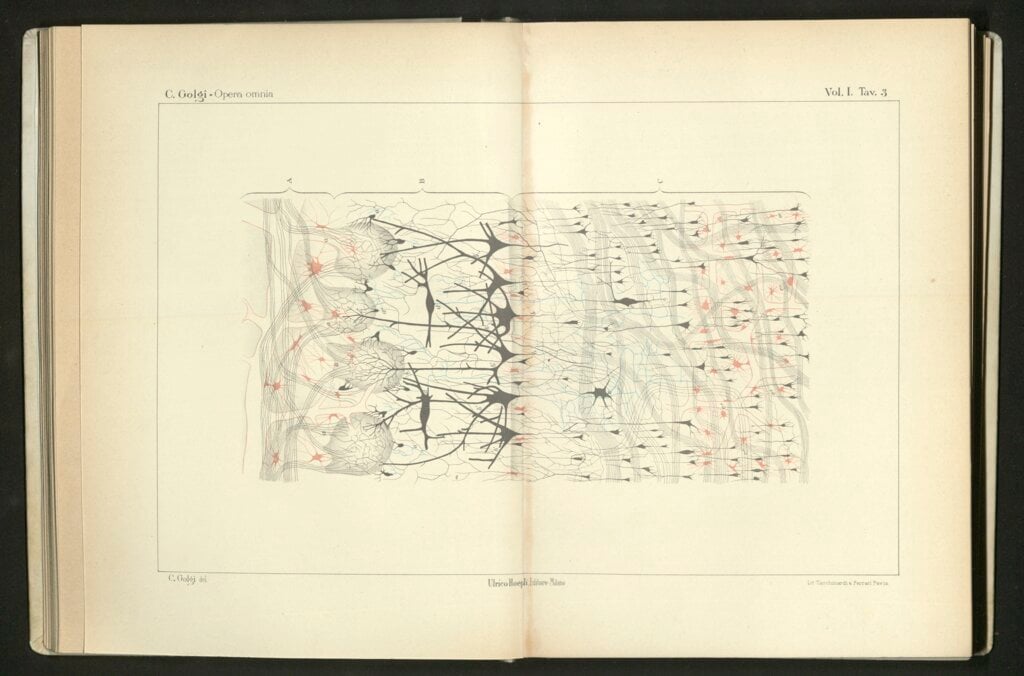
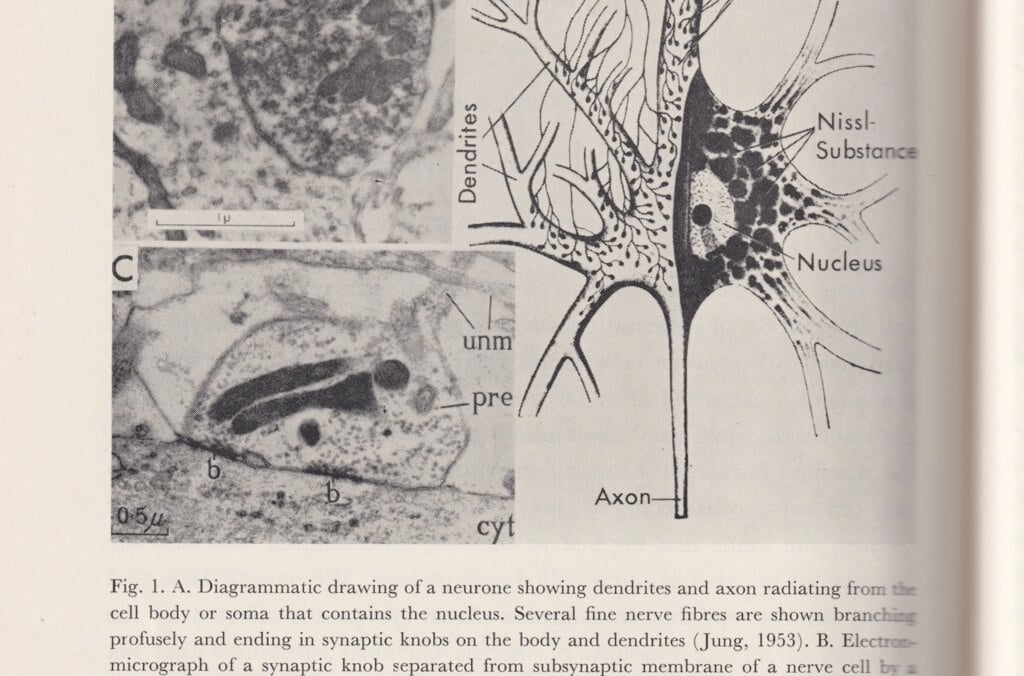
In the 1870s, Camillo Golgi came up with a method to dye cells, which made it possible to see cell details under a microscope. Both Golgi and Santiago Ramón y Cajal used and refined the method when mapping the anatomy and structure of the nervous system. Cajal contributed to developing the neuron theory: that the brain and nervous system consist of discrete elements, nerve cells or neurons, which are linked through contacts, later named synapses.
Image taken from Camillo Golgi’s Nobel Prize lecture.
Studies on reflexes
Image taken from Edgar Adrian’s Nobel Prize lecture.
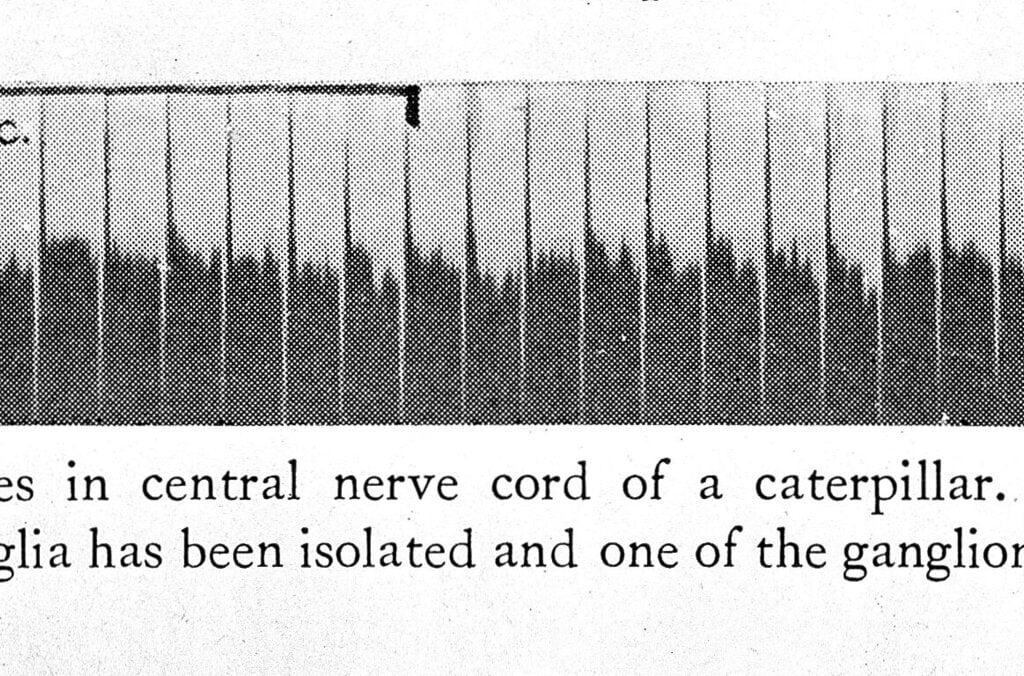
In the late 1800s, Charles Sherrington contributed to the theory that the nervous system consists of nerve cells, neurons, and that impulses are transmitted through contacts, synapses, between neurons. In experiments, he studied reflexes by charting the links between muscular movements and electric impulses to the nerves. The ability to examine how the nervous system works took a huge leap in 1925, when Edgar Adrian succeeded in measuring electric impulses in an individual nerve. He found that the individual impulses always have the same strength. Stronger simulation does not make the impulses stronger; instead, they are transmitted more frequently and through more nerve fibres.
Electric signals
John Eccles, Alan Hodgkin and Andrew Huxley delved deeper into the nervous system around 1950, to study how electric signals are transmitted. Hodgkin and Huxley found that a basic mechanism consists of sodium ions and potassium ions migrating in opposite directions through the cell walls, giving rise to electric tension. John Eccles could show that there are variants of synapses that are either firing or inhibiting.
Image taken from John Eccles’ Nobel Prize lecture.
Synapses and dopamine
Image taken from Paul Greengard’s Nobel Prize lecture.
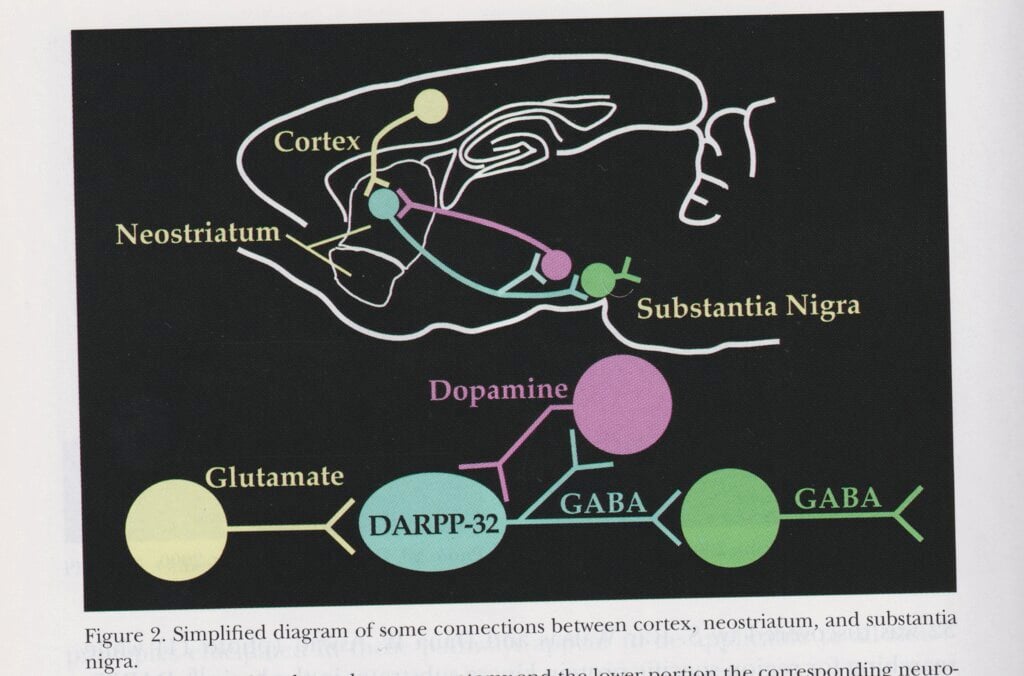
Arvid Carlsson, Paul Greengard and Eric R. Kandel examined how signals are chemically transmitted by various substances between synapses, the contact points between cells in the nervous system. Kandel could also show how these processes shape memories at synapse level. Carlsson’s research on the crucial importance of dopamine to normal movement in organisms led to the introduction of a substance called L-dopa, which the body transforms into dopamine, as a treatment for Parkinson’s disease.
Physiology of the eye
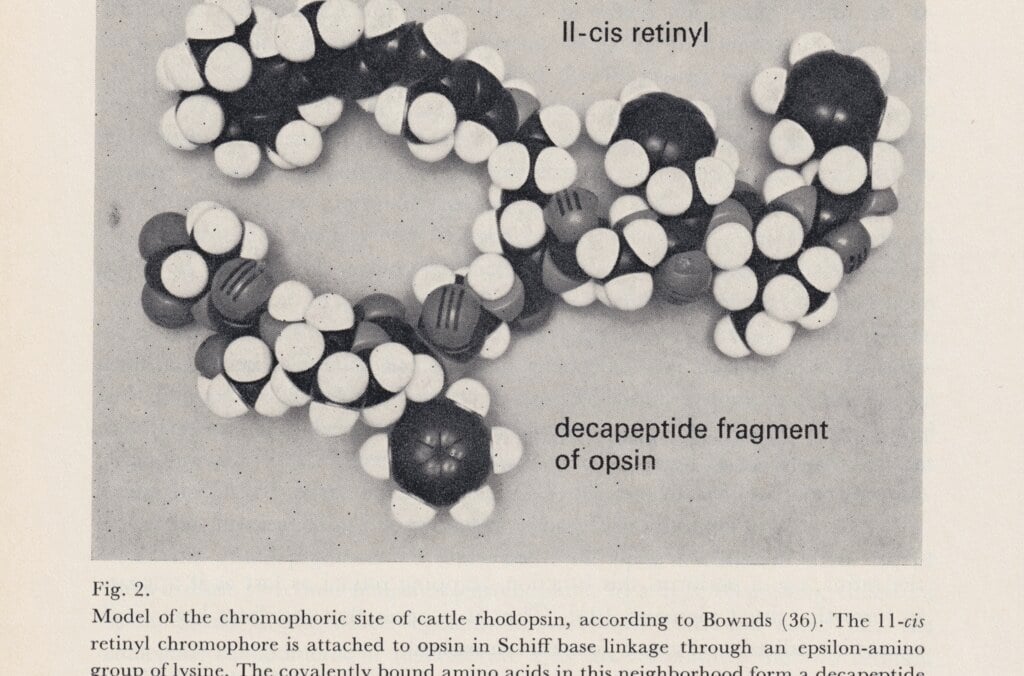
Ragnar Granit, Haldan Keffer Hartline and George Wald made ground-breaking discoveries about vision and the physiology of the eye. Ragnar Granit studied the electrical impulses from the retina cells. He could prove that the cone cells, which enable us to see colours, are of different kinds and respond to light within three spectrum zones. Granit began his career in Helsinki, but transferred to KI in 1946, where he was a professor of neurophysiology at the Medical Nobel Institute. He studied under Charles Sherrington at Oxford.
Image taken from George Wald’s Nobel Prize lecture.
Roger Sperry showed that tasks are divided between the brain’s two halves – the left half handling abstract and analytical thinking, and the right processing spatial cognition and complex sounds. David Hubel and Torsten Wiesel recorded electrical activity from the nerve cells in the visual cortex. They discovered that different nerve cells react to specific visual stimuli, such as lines at a certain angle, movement or direction. Torsten Wiesel studied medicine at KI, where he also began his research before moving to the USA.
The brain’s coordinate system
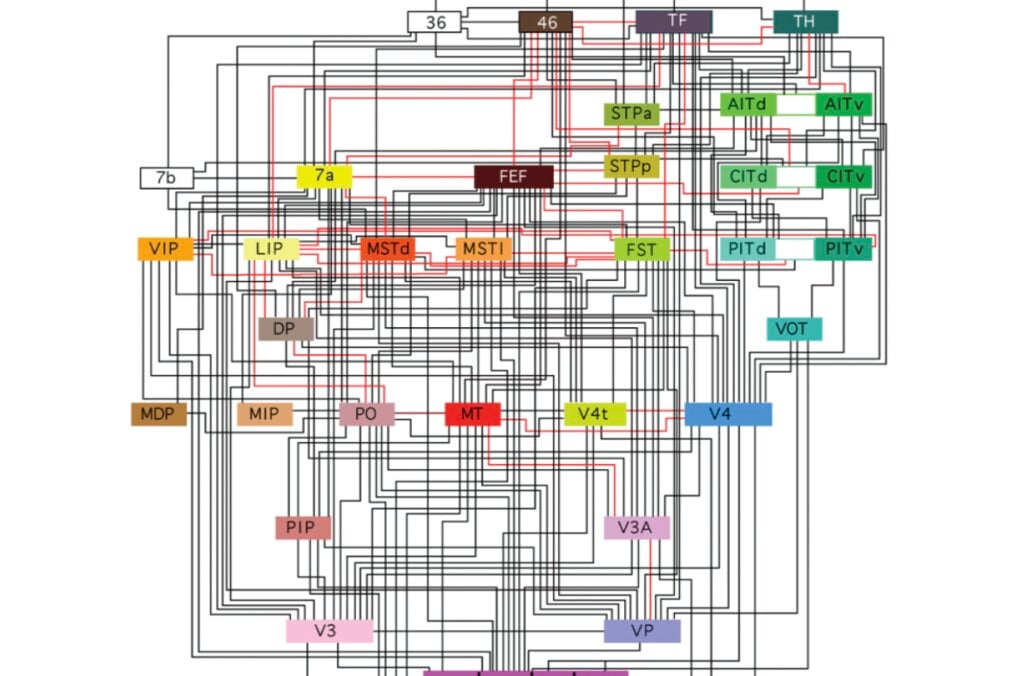
In recent decades, neurophysiological research has studied how information is formed in the brain. John O’Keefe could already measure in the 1970s how a rat’s spatial position activated certain cells in its brain. In other words, the brain cells created a sort of map. May-Britt Moser and Edvard Moser later discovered cell types that form a system of coordinates for navigation. When a rat passed points in a hexagonal grid in the space, this activated the corresponding nerve cells in the brain’s coordinate system.
Image taken from Edvard Moser’s Nobel Prize lecture.
Nerves timeline
Described the human nervous system
In 1664, Thomas Willis presented what was until then the most complete and correct description in text and images of the human nervous system. In his work Cerebri anatome, he drew up an informed overview of the central and autonomous nervous systems’ anatomy. He also distinctly classified the cranial nerves, including the “Willis nerve”, identified the sympathetic system and defined the brain as the organ of thinking. This was the context in which the word “neuro” was first used in medicine, but it did not get its current meaning until the 19th century.
Studies on skulls
Gustaf Retzius made meticulous microscopic studies of the structure of the brain and nervous system. He was highly skilled in preparing and dying the fragile nerve cells, and also a fantastic draughtsman, working with the very best printers. Retzius was a professor of histology at KI in 1878–1890. He also studied skeletons and skulls to determine their age, gender and any diseases. He believed he could see from the bones what nationality and “race” they were.
Structure of the nervous system
The Nobel Prize in Physiology or Medicine 1906 was awarded jointly to Camillo Golgi and Santiago Ramón y Cajal “in recognition of their work on the structure of the nervous system.”
Studies on reflexes
Charles Sherrington studied reflexes by charting the links between muscular movements and electric impulses to the nerves. Edgar Adrian succeeded in measuring electric impulses in an individual nerve. They were jointly awarded the Nobel Prize in Physiology or Medicine 1932.
Electric signals
John Eccles, Alan Hodgkin and Andrew Huxley delved deeper into the nervous system to study how electric signals are transmitted. They were awarded the medicine prize in 1963.
Physiology of the eye
Ragnar Granit, Haldan Keffer Hartline and George Wald made ground-breaking discoveries about vision and the physiology of the eye. They were awarded the Nobel Prize in Physiology or Medicine 1967.
Divided tasks in the brain
The Nobel Prize in Physiology or Medicine 1981 was divided, one half awarded to Roger W. Sperry “for his discoveries concerning the functional specialization of the cerebral hemispheres,” the other half jointly to David H. Hubel and Torsten N. Wiesel “for their discoveries concerning information processing in the visual system.”
Synapses and dopamine
Arvid Carlsson, Paul Greengard and Eric R. Kandel, awarded the medicine prize in 2000, examined how signals are chemically transmitted by various substances between synapses, the contact points between cells in the nervous system.
The brain's coordinate system
The Nobel Prize in Physiology or Medicine 2014 was divided, one half awarded to John O'Keefe, the other half jointly to May-Britt Moser and Edvard I. Moser “for their discoveries of cells that constitute a positioning system in the brain.”
Genes
Model of a DNA double helix according to the correct dimensions of the natural molecule.
Licence: Attribution 4.0 International (CC BY 4.0) https://creativecommons.org/licenses/by/4.0/. Credit: Peter Artymiuk. Source: Wellcome Collection.
Mechanisms of heredity
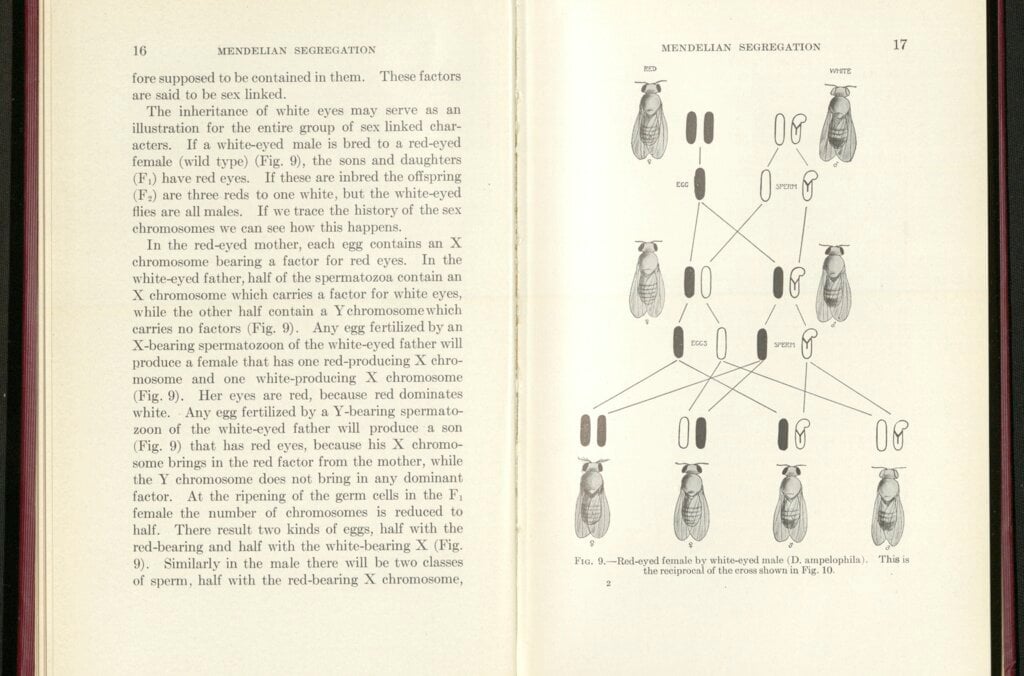
The image depicts a genetic cross diagram that illustrates how red eyes and white eyes are inherited. Photo: Hagströmerbiblioteket
The fruit fly Drosophila melanogaster became the model organism for Thomas Hunt Morgan’s research. This fly thrives in the laboratory and reproduces prolifically, with new generations in just a couple of weeks. Its comparatively few and large chromosomes are directly visible in a microscope. Morgan studied flies with genetic changes, mutations, such as an extra leg, no antennae, or different wing shapes. He examined how these traits were inherited, and how they are linked to chromosomes. This laid the foundation for a new understanding of the mechanisms of heredity.
The structure of the DNA molecule
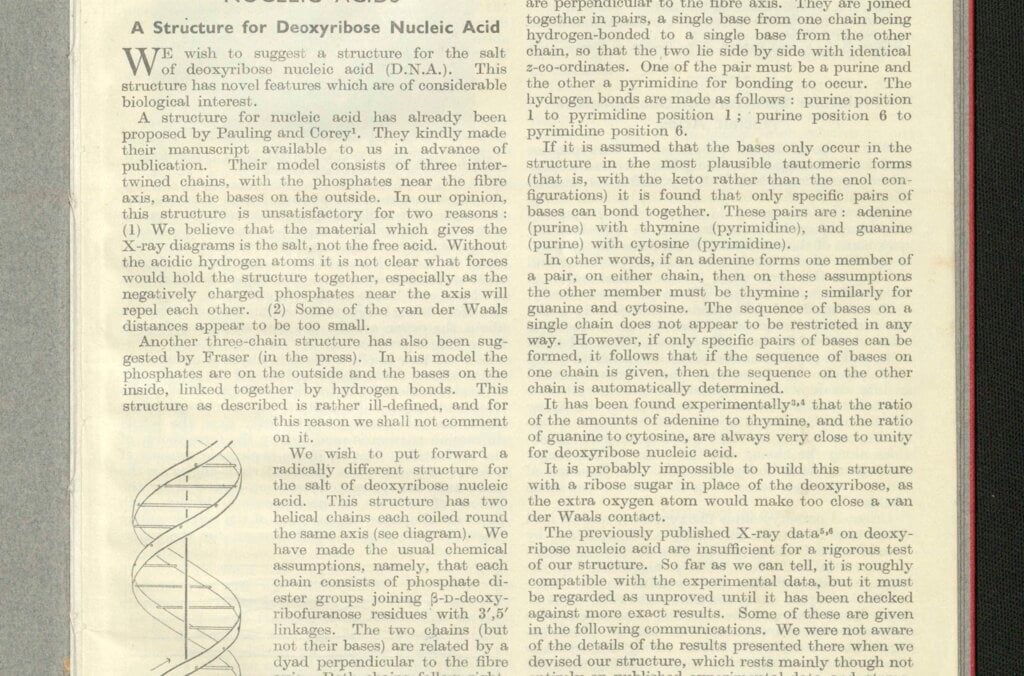
A ground-breaking step in genetic research was made in 1953, when Francis Crick and James Watson managed to determine the structure of the DNA molecule. This molecule consists of a long line of building blocks that form a double helix. Its building blocks are of four kinds, and their sequence serves as a code for genetic information.
This discovery was enabled by research by Rosalind Franklin, who died in 1958. The 1962 medicine prize was awarded to Crick, Watson, and Maurice Wilkins, a colleague of Rosalind Franklin.
The double helix is depicted at the bottom left of the page. This copy of Deoxyribose Nucleic Acid was signed by James D Watson during one of his visits to Karolinska Institutet. Photo: Hagströmerbiblioteket
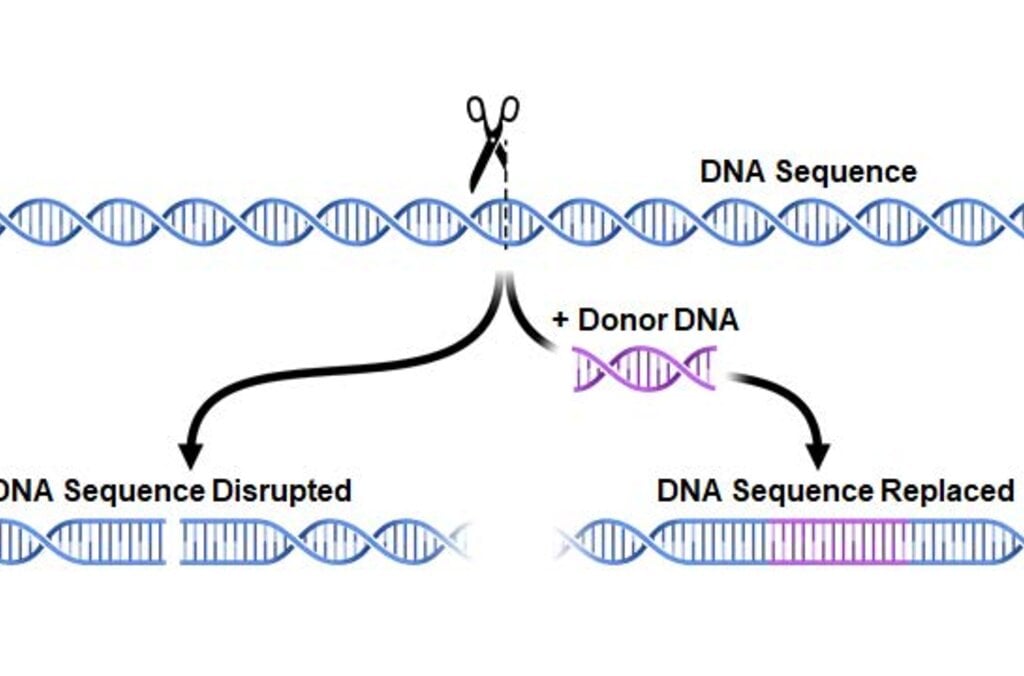
“Gene scissors”
The image depicts a genetic cross diagram that illustrates how red eyes and white eyes are inherited. Image taken from Jennifer Doudna’s Nobel Prize lecture.
The CRISPR-Cas9 method, also known as “gene scissors,” makes it possible to modify genetic contents. It was developed by Emmanuelle Charpentier and Jennifer Doudna and is a considerably more powerful and precise instrument than previous methods for changing the genetic contents of organisms. This opens up new potential in research and the development of pharmaceuticals and organisms for food production.
Genes timeline
How traits are inherited
To study how traits are inherited, the biologist and Augustinian friar Gregor Mendel cross-fertilised pea plants with different traits, such as green or yellow peas, and studied several generations of offspring. He concluded that traits were passed on in pairs, one from each parent. The characteristics of their offspring is determined by whether these traits are dominant or recessive.
Detected chromosomes
In 1878, the biologist Walther Flemming dyed cells from newt larvae and could then detect blue formations, chromosomes, inside the cells under a microscope. He could also observe processes in the cell core, including the behaviour of chromosomes in both living and dead cells. Flemming was the first to describe in detail how chromosomes behaved during normal cell division. It was he who came up with a name for the process: mitosis.
Coined the term “chromosome”
Wilhelm von Waldeyer, a professor of anatomy in Berlin, coined the term “chromosome” in 1889, to describe the already-observed parts of the cell that particularly absorbed pigments when dyed. He was one of the earliest and most enthusiastic advocates of Cajal’s “neuron theory” on the structure of the nervous system.
Studies on DNA
At the end of the 19th century, the Uppsala professor Olof Hammarsten studied ‘nucleic acid’ (DNA and RNA), a fundamental constituent of the cell. The preparation methods of the time smashed the DNA molecules to smithereens when they were examined. Scientists did not realise how big the molecule was, and didn’t believe it could carry the genetic information. In the 1930s, Olof Hammarsten’s nephew Einar Hammarsten, a professor of chemistry at KI, succeeded in proving that DNA is a “macro molecule.” Under the microscope, he managed to unwind fibres that were up to 50 cm long.
First modern genetic theories
The geneticist Vilhelm Johannsen in Copenhagen was of the generation of scientists who collectively, but independently of each other, rediscovered Gregor Mendel’s research on heredity from the 1860s. Mendel’s genetics were widely launched from around 1900. Mendel formulated the first modern genetic theories, and his observations on dominant and recessive genes are still valid.
Mechanisms of heredity
Thomas Hunt Morgan studied fruit flies with genetic changes, mutations, such as an extra leg, no antennae, or different wing shapes. He examined how these traits were inherited, and how they are linked to chromosomes. He was awarded the Nobel Prize in Physiology or Medicine 1933.
Measured the level of DNA and RNA in individual cells
In 1936, Torbjörn Caspersson embarked on a lifelong research project at KI into nucleic acid with biophysical methods, and particularly optical ones. He managed in the first year to measure the level of DNA and RNA in individual cells using a new technique for ultraviolet microscopy. In this way, he could prove that nucleic acid was involved in reproduction, since the content varied at different stages of cell division. Caspersson became a professor of cellular research and genetics at the KI in 1944, and was later appointed head of a department at the Medical Nobel Institute.
DNA contains the cell's genetic information
Oswald Avery showed in 1944 that DNA contains the cell’s genetic information. Until then, the dominating assumption was that something as complicated as genes must be packaged in a correspondingly complex macro molecule, most likely a protein. DNA has a comparatively simple chemical structure and was therefore discounted. Although Avery could demonstrate that genetic information was contained by DNA, it was still unclear how the molecule coded the information.
The structure of the DNA molecule
A ground-breaking step in genetic research was made in 1953, when Francis Crick and James Watson managed to determine the structure of the DNA molecule. This discovery was enabled by research by Rosalind Franklin, who died in 1958. The 1962 medicine prize was awarded to Crick, Watson, and Maurice Wilkins, a colleague of Rosalind Franklin.
“Gene scissors”
The CRISPR-Cas9 method, also known as “gene scissors”, makes it possible to modify genetic contents. Emmanuelle Charpentier and Jennifer Doudna were awarded the medicine prize in 2020.
The microscope that medicine laureate Ralph Steinman used daily.