Charles Edouard Guillaume
Facts
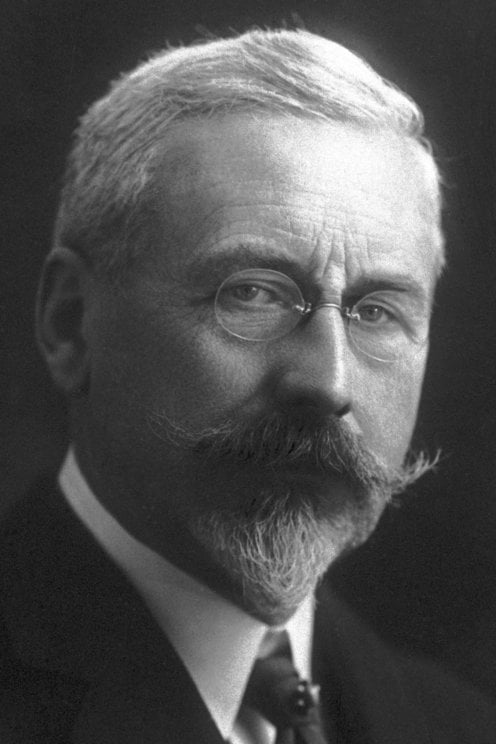
Photo from the Nobel Foundation archive.
Charles Edouard Guillaume
Nobel Prize in Physics 1920
Born: 15 February 1861, Fleurier, Switzerland
Died: 13 June 1938, Sèvres, France
Affiliation at the time of the award: Bureau International des Poids et Mesures (International Bureau of Weights and Measures), Sèvres, France
Prize motivation: “in recognition of the service he has rendered to precision measurements in Physics by his discovery of anomalies in nickel steel alloys”
Prize share: 1/1
Work
Precise measurement plays an important role in science. To provide a basis for precise measurements, the metric system and a German legal meter were instituted to define lengths. However, different materials expand differently when temperatures change, which limits the ability to make very precise measurements. In 1896 Charles-Edouard Guillaume succeeded in finding an alloy of nickel and steel that registered almost no change in length and volume as a result of temperature changes. The invar nickel-steel alloy had a significant effect on scientific instruments and incandescent light bulbs.
Nobel Prizes and laureates
Six prizes were awarded for achievements that have conferred the greatest benefit to humankind. The 14 laureates' work and discoveries range from quantum tunnelling to promoting democratic rights.
See them all presented here.