Hans Krebs
Facts
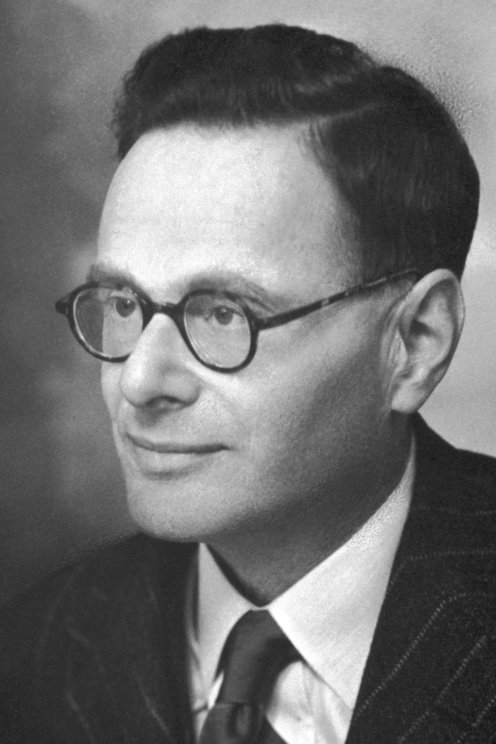
Photo from the Nobel Foundation archive.
Hans Adolf Krebs
Nobel Prize in Physiology or Medicine 1953
Born: 25 August 1900, Hildesheim, Germany
Died: 22 November 1981, Oxford, United Kingdom
Affiliation at the time of the award: Sheffield University, Sheffield, United Kingdom
Prize motivation: “for his discovery of the citric acid cycle”
Prize share: 1/2
Work
Nutrients are broken down in our cells to release energy for the construction of cells. After Albert Szent-Györgyi identified several important reactions in these metabolic processes, in 1937 Hans Krebs was able to present a complete picture of an important part of metabolism—the citric acid cycle. In this process, which is cyclical and has several steps, nutrients are converted to other molecules with a large amount of chemical energy. The latter are ultimately converted into adenosine triphosphate (ATP), which provides chemical energy to facilitate other biochemical processes in the cell.
Nobel Prizes and laureates
Six prizes were awarded for achievements that have conferred the greatest benefit to humankind. The 14 laureates' work and discoveries range from quantum tunnelling to promoting democratic rights.
See them all presented here.

