Ferenc Krausz
Biographical
A Journey Guided by Questions
Every serious endeavor should start with a proper question. What is worthy of being shared with the rest of the world in a biographical sketch of someone largely unknown before October 3, 2023?
To be honest, even after serious deliberations, I didn’t find a convincing answer. What follows is an attempt to share what some readers may find useful or interesting.
What did my parents give me for the journey?
Setting goals and priorities provides guidance for our actions in life. My parents set themselves the primary goal of creating ideal conditions for the development of their two children, my younger brother and myself, and had set priorities such to be able to achieve this goal in the best possible way. My mother stayed at home during our childhood to devote herself fully to our upbringing, and our father took full responsibility for maintaining the family.
Hard work and perseverance are the keys to achieving our goals in life. My father worked as a bricklayer – all the time, including weekends – to provide his children with the support needed for their optimal development. Giving up their own comfort for their children’s well-being was never felt by my parents as a sacrifice, simply because their children have been their entire life.
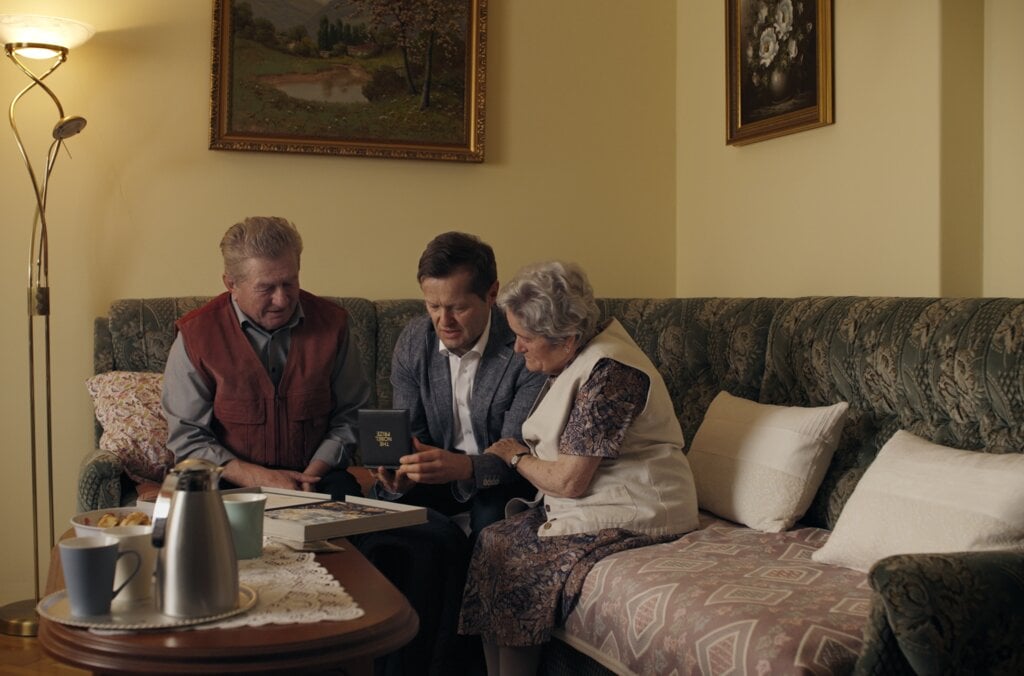
Respect – for each other and each other’s work – must be the basis of human interactions. My mother bore the primary responsibility for our social development. She taught me – among the very first things – how to properly greet people and thank them for anything they did in our favor. I vividly remember my mother pressing my hand as a sign of greeting when accompanying me on the street.
Learning, learning, and learning. My parents never made any suggestions about a particular job to choose. Instead, they kept stressing that the broader my knowledge, the better my chances of finding a profession that feels like a passion. This would allow me to make a living out of my passion. And to live a fulfilled life.
Why physics?
I can’t recall how my interest in natural sciences arose. I do remember that I did not fancy biology and chemistry, for one and the same reason; in both fields, knowledge was conveyed to us – to a large extent – as a collection of disparate observations and empirical facts that lacked ordering principles. The periodic table of chemical elements was one exception; however, this very ordering principle has its origin in (quantum) physics, as my physics teacher, Kiss Tanár Úr, pointed out.
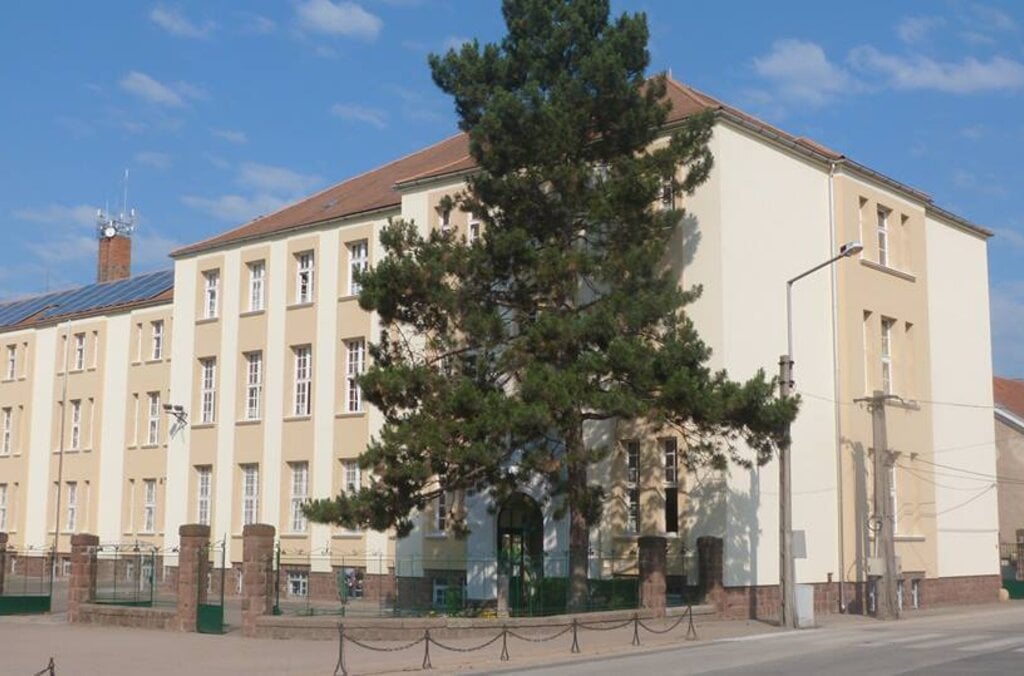
He shared with us a number of fascinating observations of natural phenomena, some of which he even demonstrated experimentally. At first sight, again, seemingly unrelated empirical facts. But the really exciting revelations came afterward: the postulation of physical laws, accounting for a range of apparently unrelated phenomena. I was fascinated that the same physical law responsible for the trajectory of a pebble from my slingshot described the orbit of the Earth around the Sun. And that phenomena as disparate as the propagation of radio waves and sunshine are so deeply connected. I was stunned by the experiments of Kiss Tanár Úr and – perhaps even more – by the beauty of the ordering principles (physical laws) behind them. They sparked my interest in physics and made me aware of the importance of mathematics in describing physical phenomena.
Why light, why electrons?
One experiment by Kiss Tanár Úr particularly intrigued me: the transmission of invisible electromagnetic waves between a sender and a receiver. This inspired me to learn about electrical circuits so I could build my own radio. With a ten-meter-long antenna stretched between our house and garage, I was able to receive signals from far beyond Hungary’s borders. I developed a strong fascination with electromagnetic waves and the electric currents in the small circuits that allow for their generation and detection.
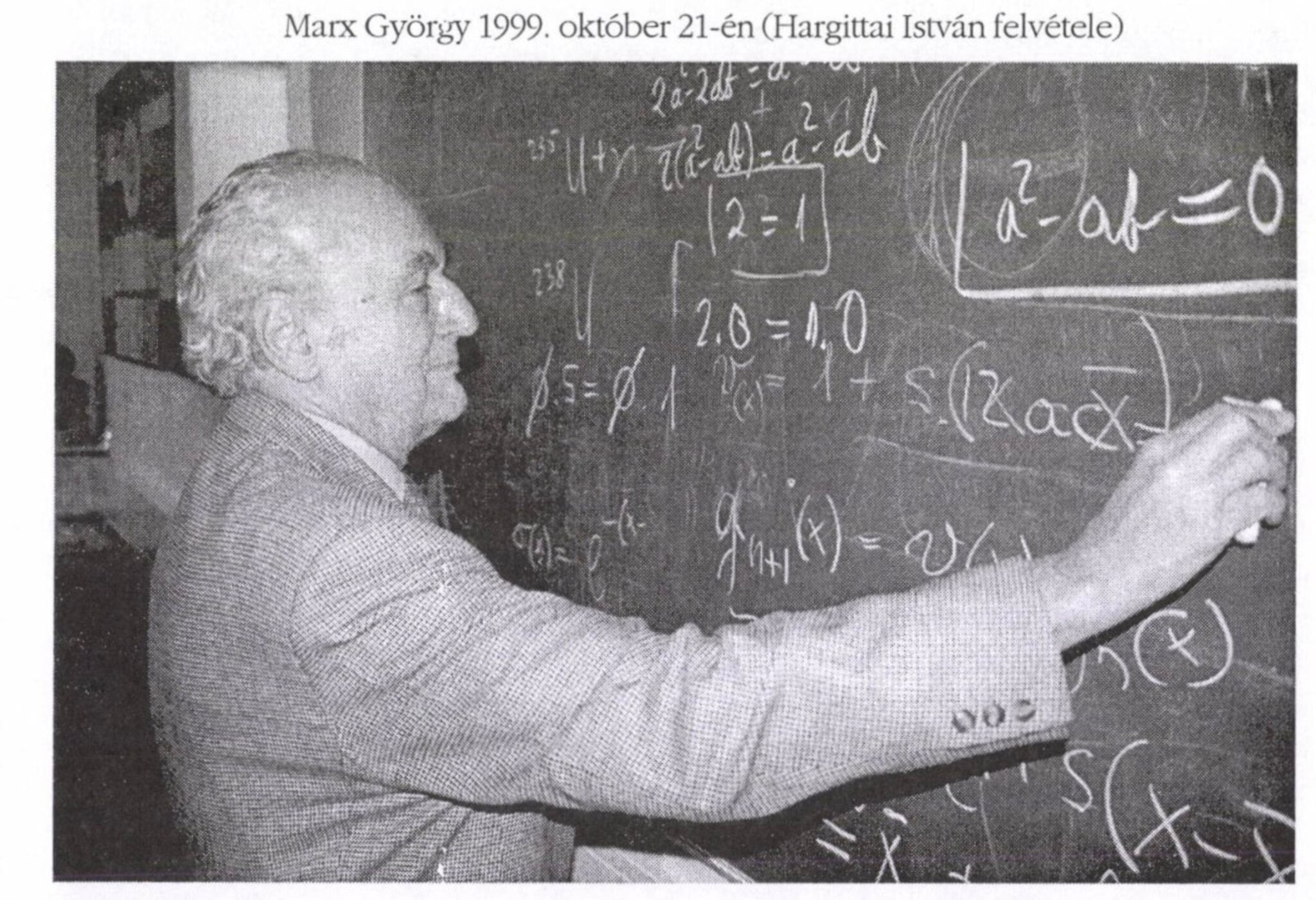
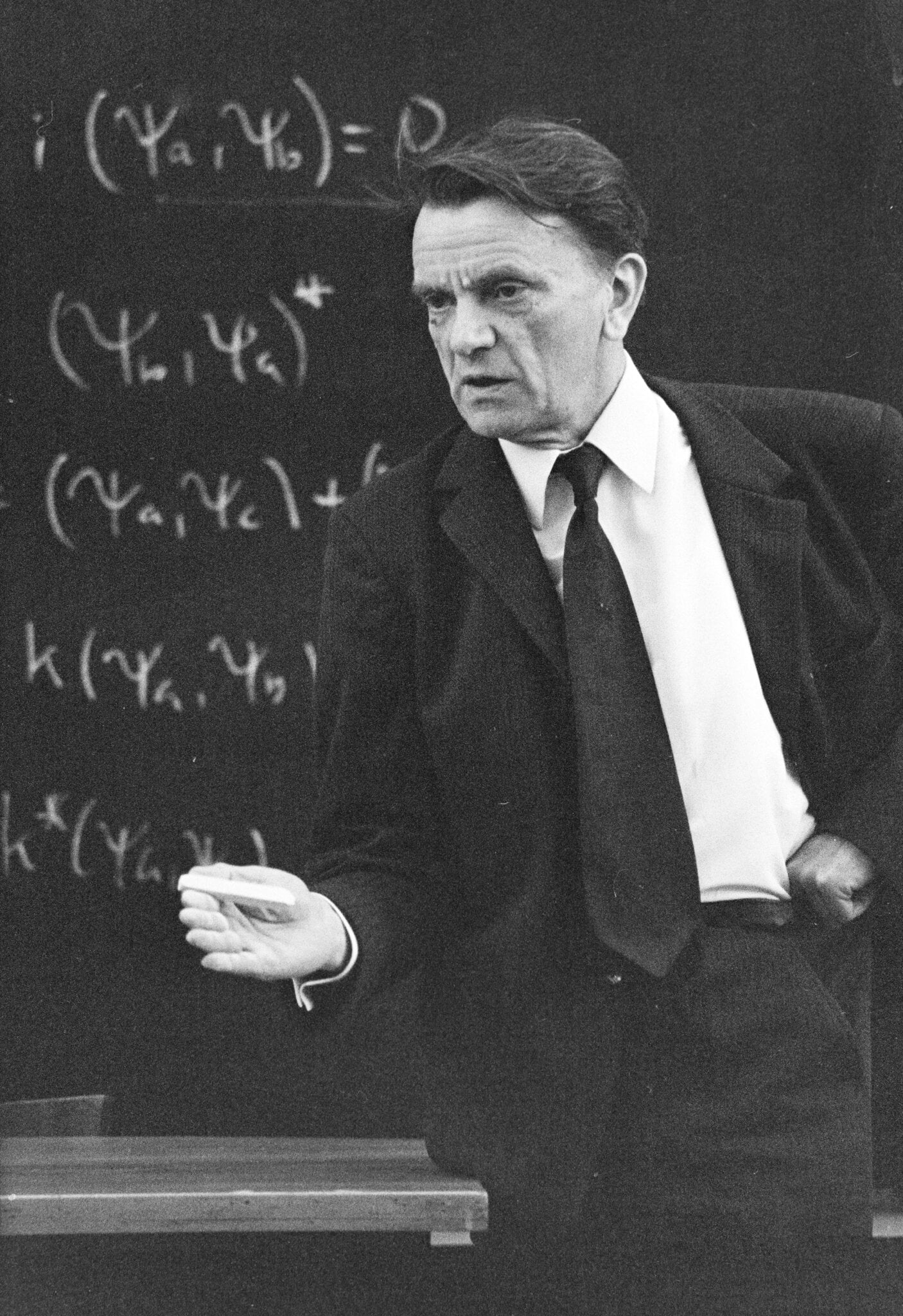
This motivated me to start studying electrical engineering at the Budapest University of Technology and Economics (BME) and, in parallel, physics at the Eötvös Loránd University (ELTE). Both institutions offered several world-class courses, highlighted by, among others, two giants of physics education: Károly Simonyi (BME) and György Marx (ELTE) in classical electrodynamics, quantum mechanics, and electrodynamics. Their lectures solidified my interest in electromagnetic waves and electrons and directed my attention toward a diploma work announced by Tibor Juhász at the Institute of Physics of BME: the measurement of picosecond (ps) infrared laser pulses from a solid-state (neodymium-doped glass) laser. The impactful lectures by Károly Simonyi and György Marx, combined with the stimulating experience I gained in Tibor Juhász’s laser laboratory, influenced my future direction.
The power of the right question
The time scale I encountered in Tibor’s laboratory was much shorter than anything I had previously learned about electronics. Picosecond and sub-picosecond laser pulses have – ever since then – played a crucial role in advancing ultrafast electronics, pushing beyond the 100 GHz limit. While the potential was clear, I wondered if there were any research efforts or technological advancements that required even shorter pulses. I quickly found the answer.
The Raman effect, discovered in 1928 (for which the Nobel Prize in Physics was awarded in 1930), enabled the detection of molecular vibrations, allowing scientists to observe oscillation periods well below 100 femtoseconds. This timescale defined the formation and breaking of chemical bonds – a process observed in real time and earned Ahmed Zewail the Nobel Prize in Chemistry in 1999. If that wasn’t motivating enough, the real-time observation of charge-carrier dynamics in solid-state physics presented another exciting frontier. I developed a strong desire for better time resolution, and when Arnold Schmidt invited me to join his group at the TU Wien (TUW) in 1987, it seemed like a unique opportunity.
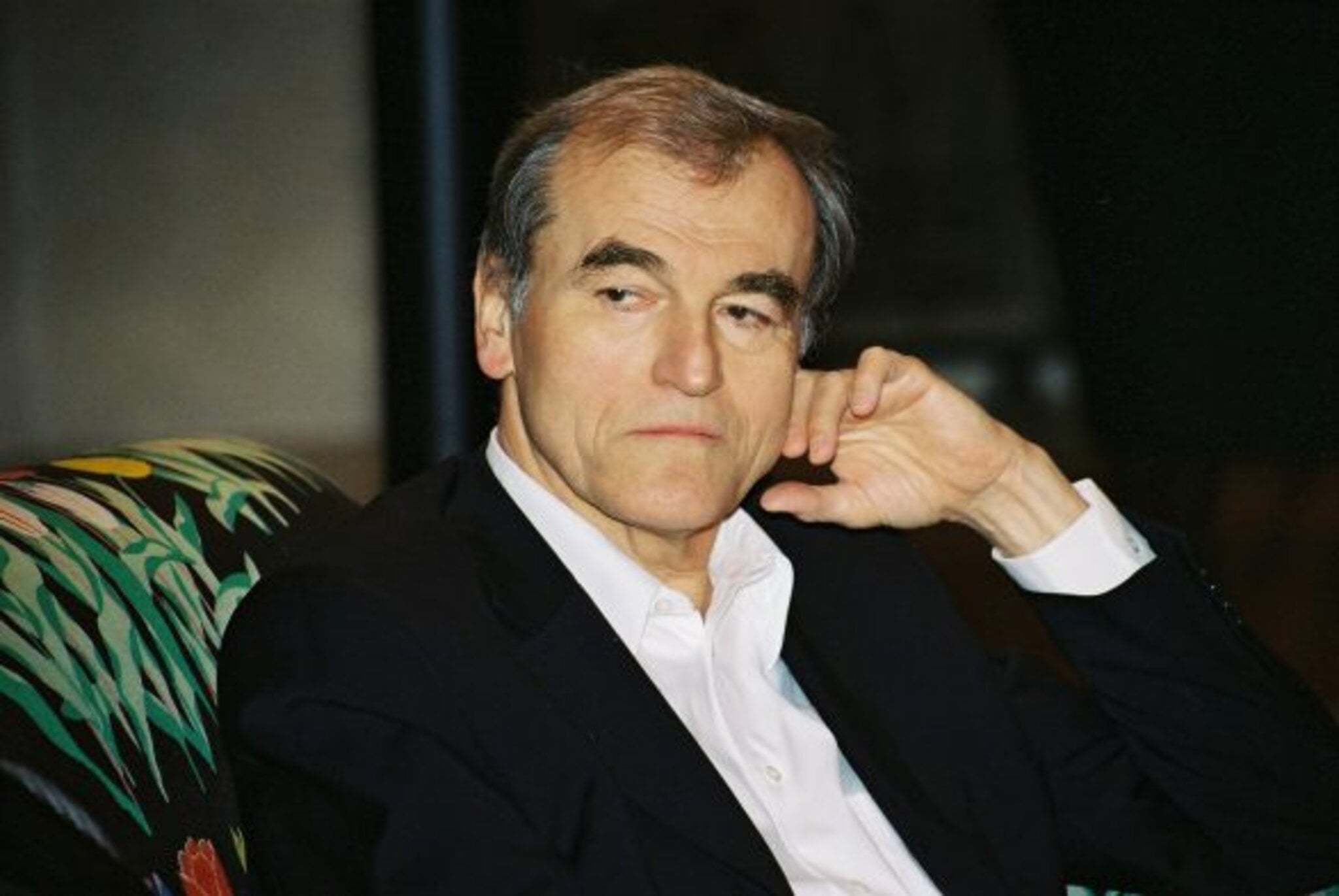
Arnold created ideal conditions for working on what excited me most: the development of a new class of femtosecond lasers based on solid-state gain materials and of methods to advance them to their limits. Inspiration also came from world-renowned visitors, including Hermann Haus and Erich Ippen from MIT. Whilst working on advancing femtosecond technology, I became interested in the fastest dynamics outside atomic nuclei: the deformations of the electron cloud in superposition states (briefly: atomic-scale electronic motion) occurring on the attosecond time scale.
Motivated also by a series of lectures by Paul Corkum, which he presented in Vienna in 1993, we began working systematically on creating the ultimate laser pulse, composed of a single, precisely controlled field cycle. At the dawn of the new millennium, we achieved this goal: the controlled electric field of laser light enabled us to generate and measure isolated attosecond flashes in Vienna. In the following years, this controlled light force enabled us to capture electronic motions in real time in Munich. These advancements were made possible thanks to the creativity, dedication, commitment, and perseverance of my wonderful coworkers, whom I honored in my Nobel Lecture. The invisible driving force for these underlying efforts, which provided our compass and enabled us to set the right priorities, was this overriding question:
Can electronic motion, as predicted by Schrödinger‘s equation,be controlled and observed in real time?
Although I didn’t pose this question initially, it became clear, once we achieved our goal, that the desire to answer it guided our actions. This guidance kept us focused and prevented distractions from issues that, while interesting, wouldn’t help us reach our ultimate objective. Having the right question as a guide is essential for achieving significant goals.
The power of reproducibility and cooperation
If an experiment can’t be reproduced in different laboratories, its result is not credible. But reproducibility offers more than credibility. It enables natural scientists to benefit from each other’s results. Cooperation and cross-fertilization do likewise. Our work provides conclusive testimony to the power of reproducibility, cooperation, and cross-fertilization.
Reproducibility was tremendously helpful in our pursuit of attosecond metrology. Self-mode-locking discovered by Wilson Sibbett, chirped-pulse amplification invented by Gérard Mourou and Donna Strickland (Nobel Prize in Physics 2018), and high-order harmonic generation from ionizing atoms pioneered by Anne L’Huillier (Nobel Prize in Physics, 2023) were not only reproduced but also further advanced in our laboratory thanks to the contributions of these pioneers, their careful original experiments and their equally careful description in subsequent publications.
Cooperation with the group of Orazio Svelto in Milan, who invented spectral broadening of laser pulses in a gas-filled hollow-core fibre, along with Robert Szipőcs and Kárpát Ferencz from Budapest, who co-invented chirped multilayer mirrors, allowed us to generate single-cycle laser fields strong and brief enough to ionize atoms in a fraction of a femtosecond. This was a first step towards attosecond technology. We worked with Theodor Hänsch and Thomas Udem in Munich to develop a source of waveform-reproducible pulses using a method recognized with the Nobel Prize in Physics in 2005.
Cross-fertilization was also vital for progress. Our creation of strong, controlled single-cycle waveforms inspired Paul Corkum in Ottawa to propose the concept of a light-field-driven streak camera, which we subsequently successfully implemented in experiments. This collaboration showcases how experiments performed in Austria influenced research in Canada and how ideas developed in Canada could be applied in Austria, creating synergies across continents.
The proliferation of new technology is indispensable for exploiting its application potential. My move to the Max Planck Institute of Quantum Optics (MPQ) and Ludwig Maximilian University of Munich (LMU) in Garching and Munich in 2003 and 2004, after 17 fulfilling years at TUW in Vienna, significantly enhanced our ability to explore this potential. We contributed not only through our own research and development work at MPQ and LMU (briefly: Attoworld), but also through the couple of dozen “Attoworldians” who took on professorships or leading roles at universities and research institutes in locations such as Princeton, Stanford, Vancouver, Ottawa, Sydney, Tokyo, Hong Kong, Vienna, and Hamburg.
Since its founding in 2009, our spin-off company, Ultrafast Innovations, has been supporting dozens of ultrafast laser laboratories with cutting-edge instrumentation and optical components. Attoworld has played an active role in building the first attosecond laser laboratory in Korea (Pohang University of Science and Technology) and in the Arabic world (King Saud University).
The evolution of modern science provides shining examples of what humans can achieve through cooperation. An appeal to political leaders: Connect rather than divide.
The power of basic research
Quantum physics (Nobel Prize in Physics, 1929, 1932, 1933) emerged from classical physics’ failure to account for some observations of little practical importance. A couple of decades later, it enabled the invention of the transistor (Nobel Prize in Physics, 1956), underlying electronic signal processing and, hence, modern communication, computers, and the Internet.
Just as Wilhelm Conrad Röntgen was unlikely to foresee that his X-rays (Nobel Prize in Physics, 1901) would enable the understanding of the double helix structure of DNA, revealing its role in information transfer in living organisms (Nobel Prize in Physiology and Medicine, 1962), pioneers of quantum physics could not possibly foresee the scientific and technological revolutions their discoveries triggered.
The impact of the above examples for groundbreaking discoveries may be unparalleled. Yet curiosity-driven basic research continues to spawn disruptive technologies that can profoundly and positively impact our lives.
One morning back in 2004, Eleftherios Goulielmakis came into my office at the TUW to show me the result of his measurement from the previous night. I was stunned by the first image of the oscillations of visible light in front of me. I felt for the first time that attosecond physics might be good for something during my lifetime. Something of practical benefit.
Photoelectrons released within 250 attoseconds capture the oscillations of the electric field of red light.
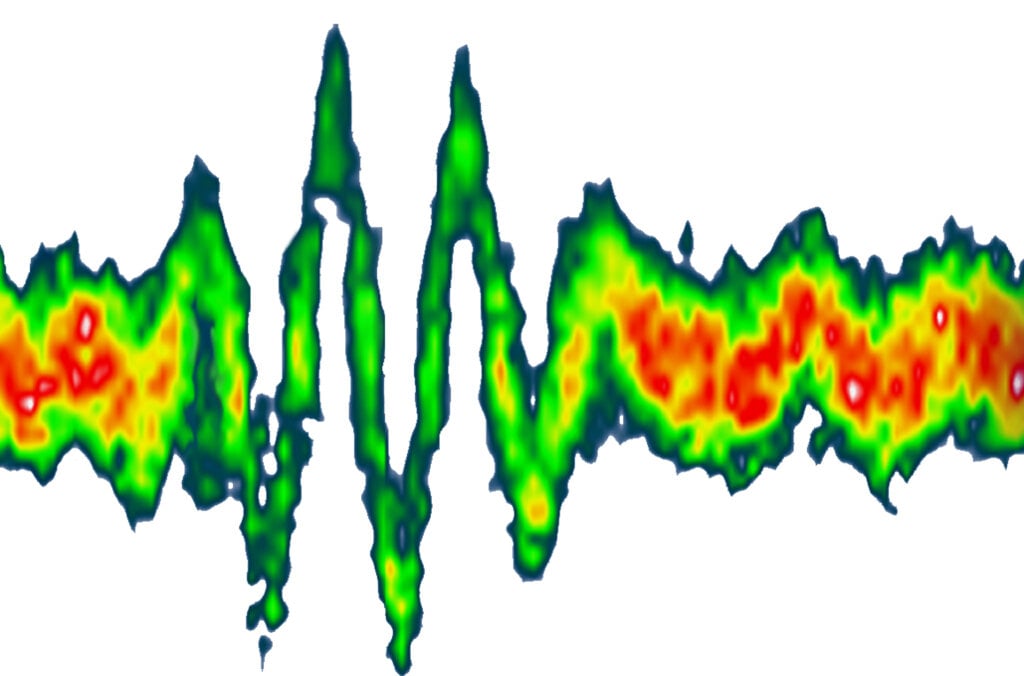
We discovered this “something” and started working on it more than a decade later in Garching and Munich – by sensitively sampling the field of infrared waves emitted by the molecules of human blood. The spectral components of this signal are determined by the vibrational eigenfrequencies of the molecular constituents of the sample. Any change in human physiology is expected to change the molecular composition of human blood and – as a consequence – also change this very signal. If diseases cause a measurable change in this signal during their early development, and this change is strongly correlated with the disease, we can use this specific change – what we call the “infrared fingerprint” – for early disease detection.
If this hypothesis holds true for a number of non-communicable conditions that cause the majority of premature deaths and invalidity, the approach of infrared electric-field molecular fingerprinting (EMF) of human blood may become a cornerstone of a new type of healthcare and preventive care, allowing a physician to act before it progresses to a severe stage. This is what we have been pursuing in our Center for Molecular Fingerprinting (CMF) in Hungary since 2019.
Whether EMF will – one day – be able to efficiently protect humans against life-threatening diseases, I do not know. Yet, I’m obsessed with proving the hypothesis. Whether the hypothesis is proved or not, this obsession will yield something useful: the unique set of blood samples and accompanying health data collected over many years. This collection will prove invaluable once the method(s) capable of accessing the molecular information for efficient disease prevention become available.
And this benefit will have originated from basic research.
What is ahead?
My journey, outlined above, directed my attention to a key hallmark of being alive: homeostasis, a mechanism that keeps our organism within a range of favorable or ideal internal conditions. It is crucial to any form of life. If so, homeostasis plays a similar role in living organisms as fundamental laws play in the physical world. Suddenly, the universal ordering principle I missed so much in primary school biology appears. The principle of homeostasis may be as universal in living creatures as is the principle of energy conservation in the physical world. Some 50 years after my interest in physics had been sparked, I realized that if Kiss Tanár Úr had taught me biology, I might have ended up a biologist.
The principle of homeostasis in the human organism dictates that there is a (probably very large) set of health parameters that are regulated within narrow ranges to maintain proper functioning of the organism. This set of narrow ranges is – by definition – the organism’s healthy baseline. Deep insight into this healthy baseline is the basis for understanding and preserving human health.
This recognition is driving our efforts in the years to come.
The complete set of these stable parameters may not be accessible. But the more of them we can access, the more precisely we can define health. And the more subtle deviations – as predecessors of disease development – we may be able to observe. Physical technologies capable of accurately acquiring a large number of parameters in a single measurement are wanted. Moreover, the accessible parameters need to be measured regularly for large numbers of individuals over long periods.
This is a formidable challenge. It can only be mastered by global effort.
By connecting people, countries, and continents.
© The Nobel Foundation 2026
Nobel Prizes and laureates
Six prizes were awarded for achievements that have conferred the greatest benefit to humankind. The 14 laureates' work and discoveries range from quantum tunnelling to promoting democratic rights.
See them all presented here.

